Dwaeji galbi gui, grilled marinated pork ribs
By Korean Food Promotion Institute Dwaejigalbi is a fixture of Korean barbecue restaurants and family gatherings. It has long been the more affordable counterpart to sogalbi (beef ribs), but its popularity rests more on flavor than price. The marinade is simple, built on soy sauce, garlic and sesame oil. Grated apple and onion do much of the work. They add a natural sweetness and help tenderize the meat during its hour-long rest. The ribs are traditionally cooked over charcoal, which gives the c
Sept. 17, 2026 - 16:44:38
Jokbal, braised pig's trotters
By Korean Food Promotion Institute Editor's note Jokbal is a Korean dish of pig's trotters slowly braised in a soy sauce seasoning with ginger, garlic and doenjang until the meat turns tender. It is prized for the silky, collagen-heavy texture that gives each bite its signature chew. The trotters are typically served cold or warm, sliced thinly and eaten in lettuce wraps or dipped in a salted shrimp sauce, and are a popular accompaniment to drinks. Chilling the braised meat before slicing firms
Aug. 8, 2026 - 16:00:00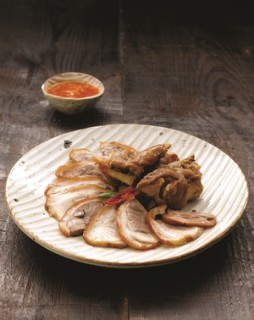
Haepari-naengchae, jellyfish salad
By the Korean Food Promotion Institute Editor's note Haepari-naengchae is a refreshing Korean cold appetizer that highlights the unique crisp texture of jellyfish paired with the sweetness of fresh pear or cucumber and the bright tang of a vinegar-based dressing. The key to success is properly preparing the jellyfish — soaking, blanching and rinsing it thoroughly to achieve a pleasantly firm texture without excess saltiness. For the best flavor, chill both the vegetables and the dressing before
July 2, 2026 - 11:32:26
Tangpyeongchae, mung bean jelly salad
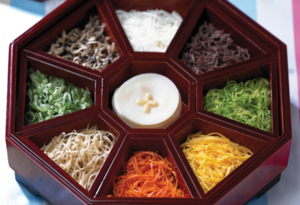
By Korean Food Promotion Institute Tangpyeongchae takes its name from the Tangpyeong policy of 18th-century King Yeongjo, who sought to end the factional infighting that had consumed the Joseon court and, by his own account, driven him to condemn his son Crown Prince Sado to death. The term refers to rule without partiality. According to the 19th-century reference work "Myeongmulgiryak," the dish was named for this principle of balance, with the four political factions of the era represented thr
June 10, 2026 - 11:31:50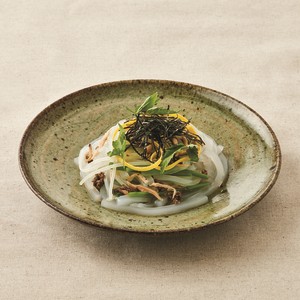
Jangeogui, eel grilled three ways
By the Korean Food Promotion Institute Long prized in Korea as a restorative summer dish, jangeogui is grilled eel seasoned one of three ways — with salt, a sweet-savory soy glaze or a fiery gochujang sauce — each drawing out a different character from the rich, oily fish. Traditionally enjoyed during the hottest stretches of the year to replenish stamina, jangeogui is typically served with thin slivers of raw garlic and ginger, which cut through the richness and round out the flavor. For someth
May 15, 2026 - 17:13:06
Dwaejigukbap, Busan's hearty pork rice soup
By the Korean Food Promotion Institute This recipe captures the essence of dwaejigukbap — a regional staple most closely associated with Busan. Built on a deeply simmered pork broth, the dish balances richness with clarity, aided here by kalopanax branches, which help neutralize gaminess and lend a clean finish. Customization is central to the eating experience: Diners typically season their bowls to taste with salted shrimp, perilla powder and spice. The result is both comforting and interactiv
April 24, 2026 - 09:00:00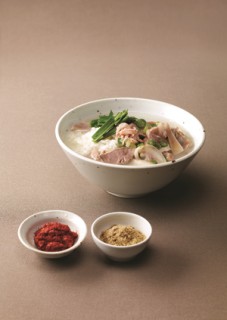
Cheonggukjang jjigae, Korean rich soybean paste stew
By The Korean Food Promotion Institute Known for its pungent aroma and deeply savory flavor, cheonggukjang is one of Korea’s most distinctive fermented foods. Made from soybeans fermented over just a few days, it develops strong umami and high nutritional value. In this hearty stew, the paste is simmered with beef, kimchi, tofu and vegetables to create a comforting, protein-rich dish that is especially popular in winter. While its bold scent can be an acquired taste, cheonggukjang jjigae is priz
April 20, 2026 - 15:50:48
Bokmalgeuntang, clear puffer fish soup
By Korean Food Promotion Institute Bokmalgeuntang is a classic coastal Korean soup traditionally enjoyed for its light yet deeply savory flavor. The name literally means “clear blowfish soup,” referring to the clean, uncluttered broth made by simmering carefully prepared puffer fish with radish, tofu, bean sprouts and greens. Despite its delicate taste, the dish is considered highly restorative — often eaten to boost stamina or recover after long nights. Because puffer fish can contain natural t
April 20, 2026 - 15:49:28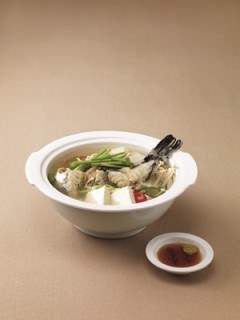
Seolleongtang, Korean ox bone soup
By Korean Food Promotion Institute Seolleongtang is one of Korea’s most beloved comfort foods, known for its rich broth developed through hours of simmering ox bones. Seolleongtang is intentionally mild, allowing diners to adjust the flavor with salt, pepper and chopped green onions at the table. The dish is traditionally served piping hot with rice or noodles submerged in the broth and accompanied by kkakdugi. The diced radish kimchi's sharp, tangy flavor balances the soup’s deep savoriness. Or
April 20, 2026 - 15:48:20
Dotorimuk, light and savory Korean acorn jelly salad
By Korean Food Promotion Institute This refreshing Korean side dish highlights dotorimuk’s delicate, silky texture, balanced by crisp vegetables and a savory soy-based dressing. Naturally low in calories yet rich in fiber, acorn jelly makes for a light but satisfying addition to any meal. The recipe is highly adaptable — adjust the spice level, swap in seasonal greens, or simplify the seasoning for a milder profile. Best served fresh, this dish captures the clean, earthy flavors characteristic o
April 20, 2026 - 15:47:19
Gondeure namulbap, thistle rice with soy-based seasoning
By Korean Food Promotion Institute Gondeure namulbap highlights the depth of flavor found in wild greens. The dried thistle, rehydrated and gently seasoned, lends an earthy aroma and soft texture that pairs well with nutty perilla oil. Traditionally served with a simple soy-based seasoning, the dish reflects Korea’s long-standing practice of preserving seasonal vegetables for year-round use. For a more accessible variation, other dried greens such as bracken or aster can be substituted without c
April 20, 2026 - 15:46:35
Miyeokguk, seaweed soup for birthdays and recovery
By Korean Food Promotion Institute Miyeokguk carries deep cultural significance in Korean cuisine. Traditionally consumed by new mothers for its mineral-rich seaweed, the dish is also served on birthdays as a symbolic reminder of one’s birth and maternal care. This recipe follows a classic beef-based preparation, delivering a clean yet deeply savory broth. For a lighter variation, the beef can be substituted with mussels or anchovies, while maintaining the soup’s signature umami profile. Ingredi
March 27, 2026 - 17:21:56
Hobak-juk, Korean sweet pumpkin porridge
By the Korean Food Promotion Institute Naturally sweet and velvety, hobak-juk is a comforting Korean porridge traditionally enjoyed as a nourishing meal or gentle dessert. Made with danhobak (sweet pumpkin) and glutinous rice, it offers a delicate balance of earthy sweetness and subtle salinity. Its golden color and smooth texture make it especially popular in autumn and winter, when warm, soothing dishes are most welcome. Optional additions such as red beans, chestnuts or corn lend extra body a
March 6, 2026 - 11:40:04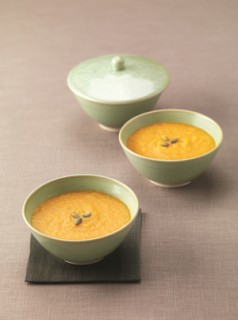
Yaksik, sweet rice with chestnuts and jujubes
By the Korean Food Promotion Institute Also known as yakbap (medicinal rice), yaksik is a traditional Korean sweet rice dish closely associated with jeongwol daeboreum, the first full moon of the lunar new year. Its glossy brown color comes from caramelized sugar and soy sauce, while chestnuts, jujubes and pine nuts add texture and symbolize prosperity and health. The recipe involves two rounds of steaming and a resting period for the flavors to develop, so plan preparation time accordingly. The
March 6, 2026 - 11:38:57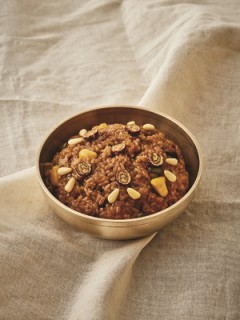
Gujeolpan, royal Korean nine-delicacy platter
By Korean Food Promotion Institute Gujeolpan is one of the most visually refined dishes in traditional Korean cuisine, once served in royal court banquets. Named after the nine-sectioned platter used to present it, the dish highlights balance in color, texture and flavor — a defining principle of Korean culinary philosophy. Thin wheat crepes are wrapped around vegetables, beef and seafood, then dipped in a sharp mustard sauce or soy-vinegar dressing. Though it requires careful preparation, gujeo
March 6, 2026 - 11:36:32