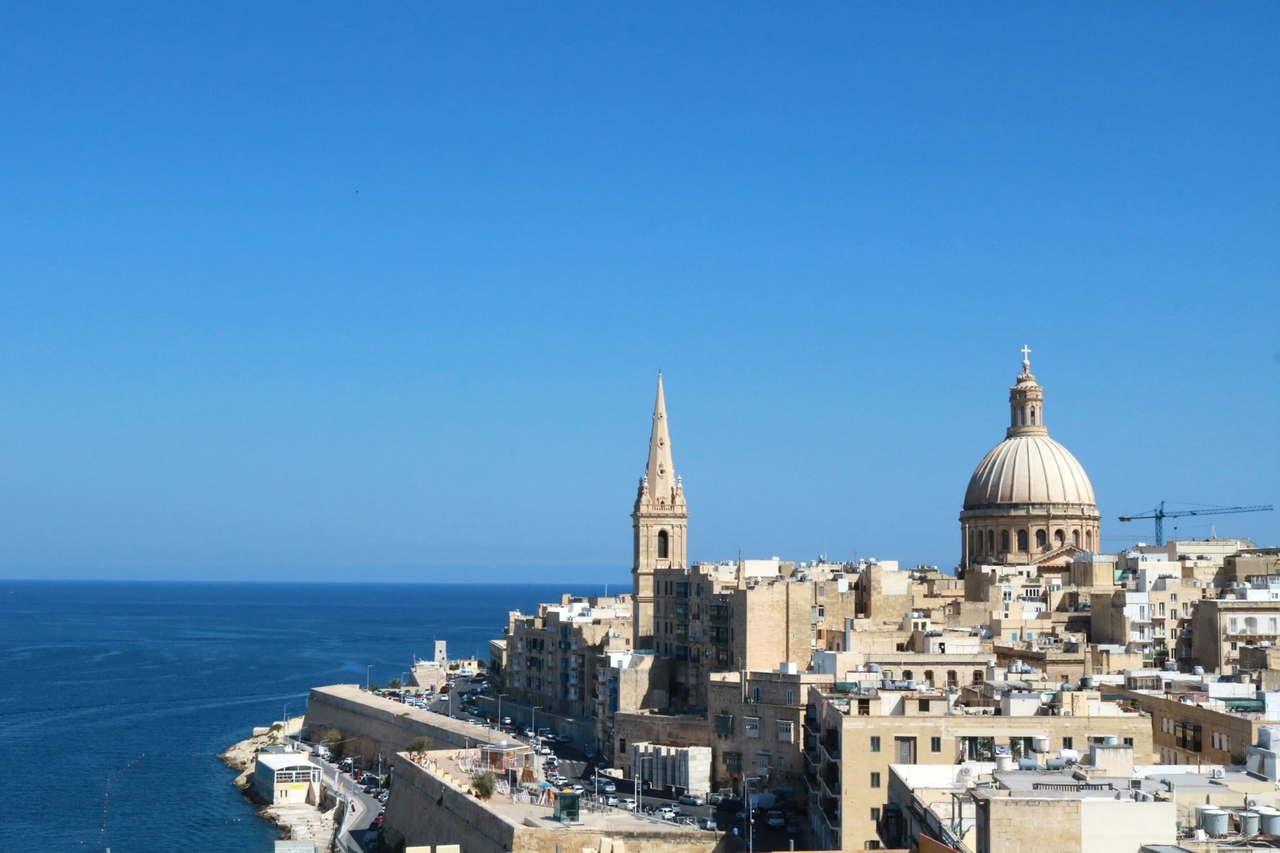
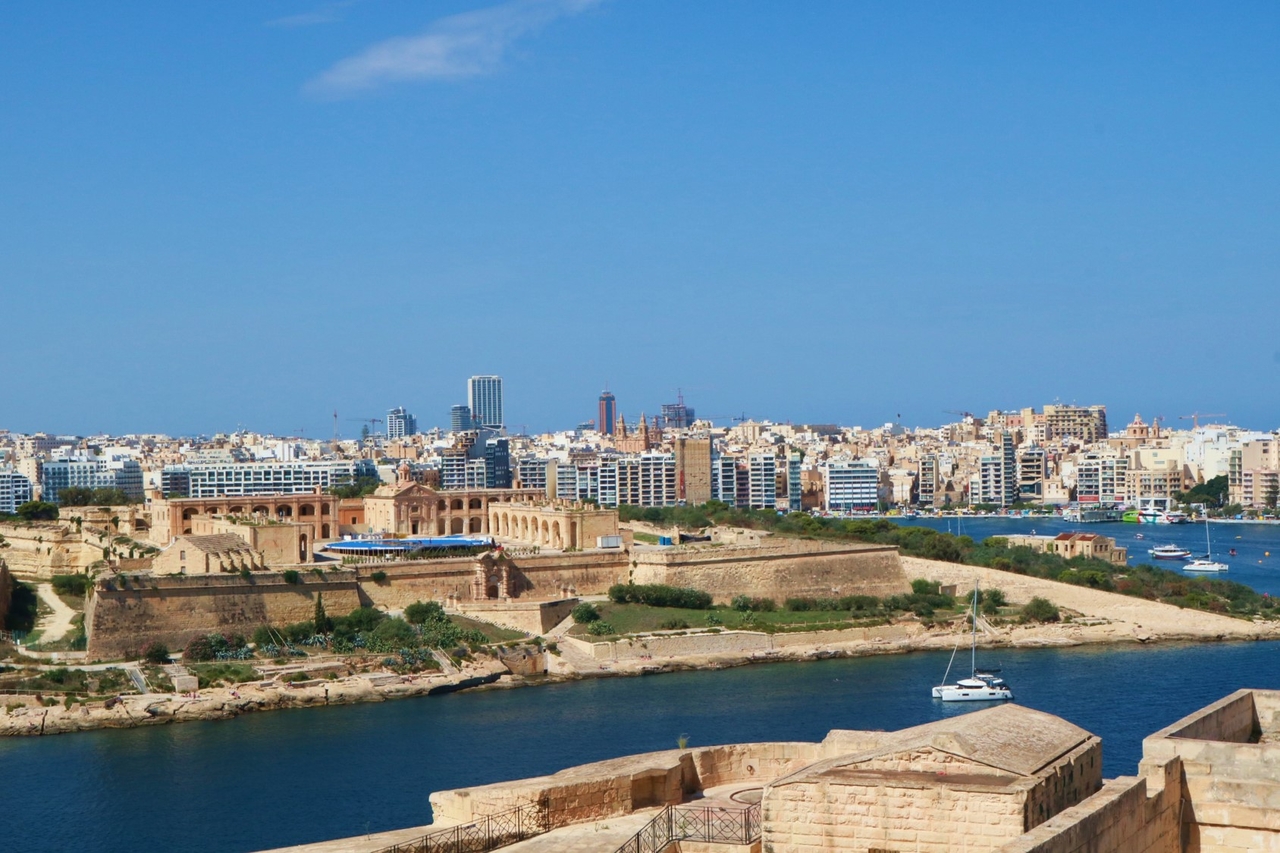
VALLETTA, Malta ― In the bustling streets and alleys of Valletta, throngs of tourists stroll between centuries-old buildings made of pale, golden limestone, often with sweeping views of the sapphire-blue Mediterranean in the background.
Defensive walls line the rocky shores of Malta's peninsular capital, which stretches northward into the shimmering sea.
On the southern side of the capital, towering stone walls rise above deep moats that separate the city from the rest of the island.
Within these imposing fortifications lies a Mediterranean getaway, where sloping alleys are lined with restaurants and coffee shops, and visitors soak up the gentle sea breeze.
As sunset approaches, the fading sunlight bathes the historic city in a distinctive golden glow, illuminating its centuries-old architecture. Valletta was inscribed on the UNESCO World Heritage List in 1980.
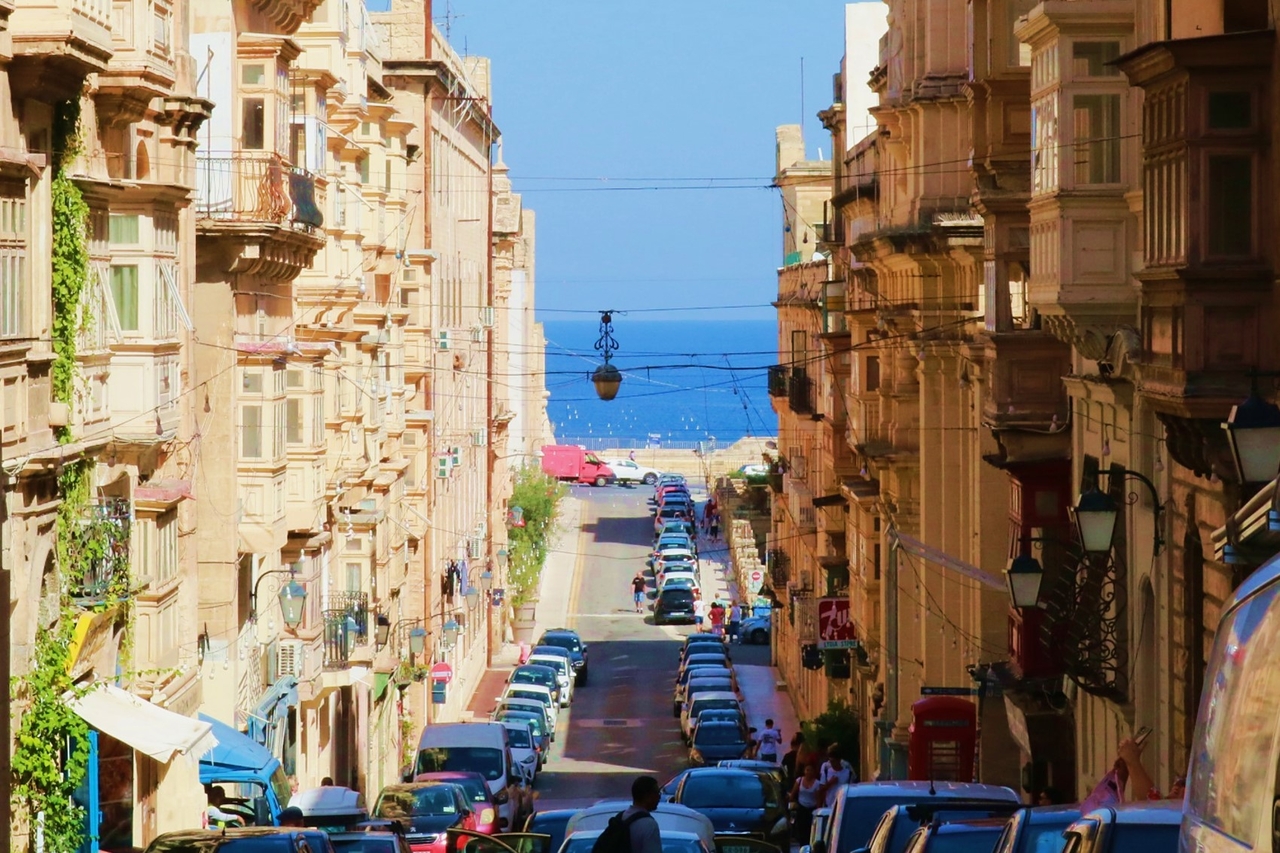
A stroll through the vibrant yet hilly streets that crisscross the fortified city takes visitors from its southern entrance to the star-shaped Fort St. Elmo at the northern tip of the peninsula in less than half an hour. Valletta is the smallest capital in the European Union.
The city is one of several fortified areas in the island nation of Malta, which is roughly one-sixth the size of Jeju Island, South Korea's popular tourist destination known for its rugged basalt coastline.
Malta has a history of fortifying its territory stretching back more than 3,500 years, with its citizens drawing heavily on the island's abundant limestone reserves to construct its defenses.
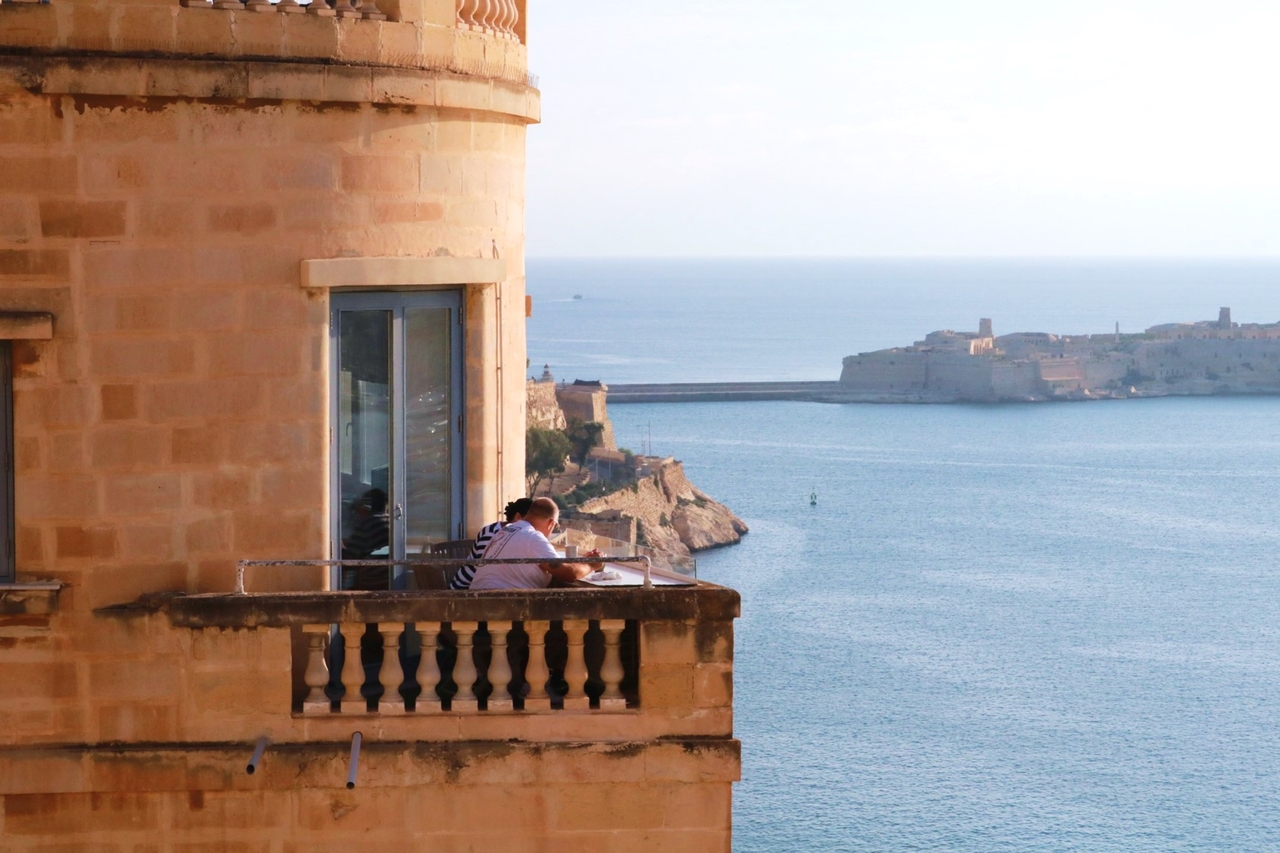
The fortification of Valletta dates back to the 16th century, following the Maltese forces' successful resistance against an attempted invasion by the Ottoman Empire in 1565.
At the time, Malta was under the rule of the medieval Hospitallers, also known as the Knights of St. John, who had fought alongside crusaders in Jerusalem before arriving on the island in the 16th century.
The Ottoman forces' campaign, known as the Great Siege, ultimately failed despite their efforts to capture the old fortified capital of Birgu.
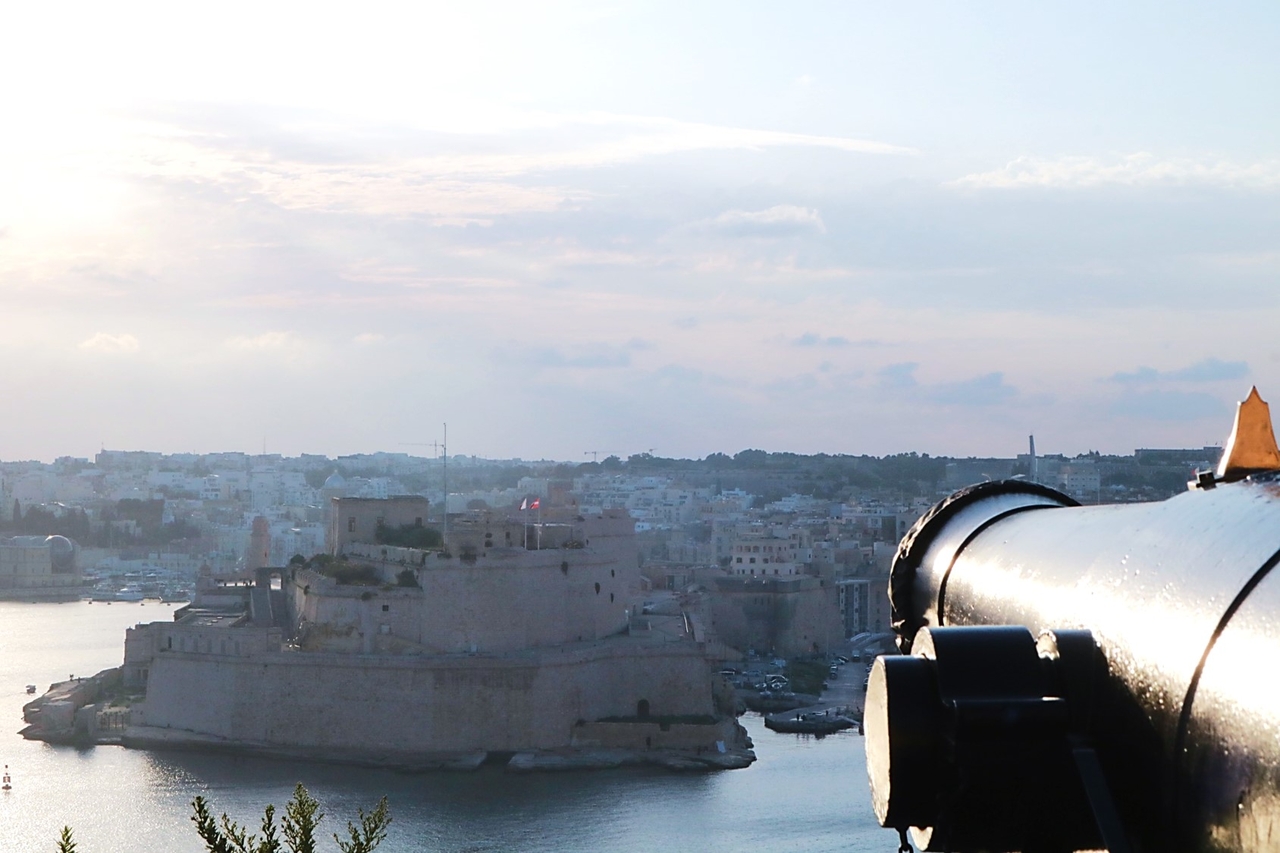
The failed siege prompted Malta to begin constructing a new city in 1566 on an elevated peninsula just west of Birgu, across the Great Harbor. The capital was relocated from Birgu to the newly built city, which was named Valletta in honor of the Hospitallers' heroic grand master, Jean Parisot de Valette.
The Maltese forces' successful resistance against the Ottoman invasion is commemorated to this day, with cannons fired twice daily from the eastern end of Valletta toward the Great Harbor and the old city.
Carefully laid out as a planned city, Valletta is home to a wealth of Baroque architectural treasures, including St. John's Co-Cathedral, where some of the grand masters of the Knights of St. John are honored for their contributions to the nation.
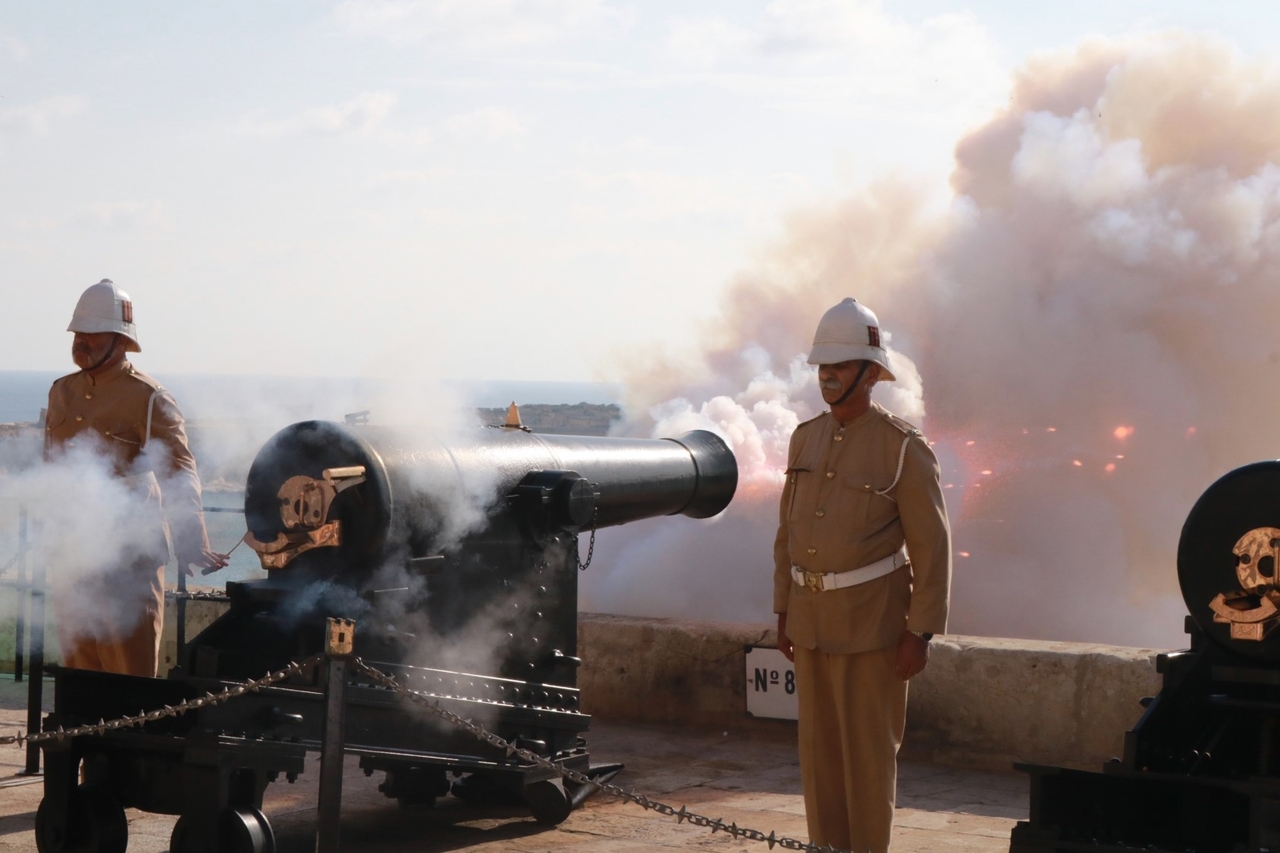
Following a brief period of French occupation and centuries of British rule, including during World War II, when the fortified island served as a strategic naval base in the fight against the Axis powers, Malta gained independence from the United Kingdom in 1964.
Most of Valletta's limestone structures have stood the test of time, preserving the city's historic character through centuries of political upheaval and change.
With tourism now a cornerstone of its economy, Malta has made sustained efforts to preserve Valletta's architectural heritage, often breathing new life into its pale-gold limestone buildings by adapting them for modern uses.
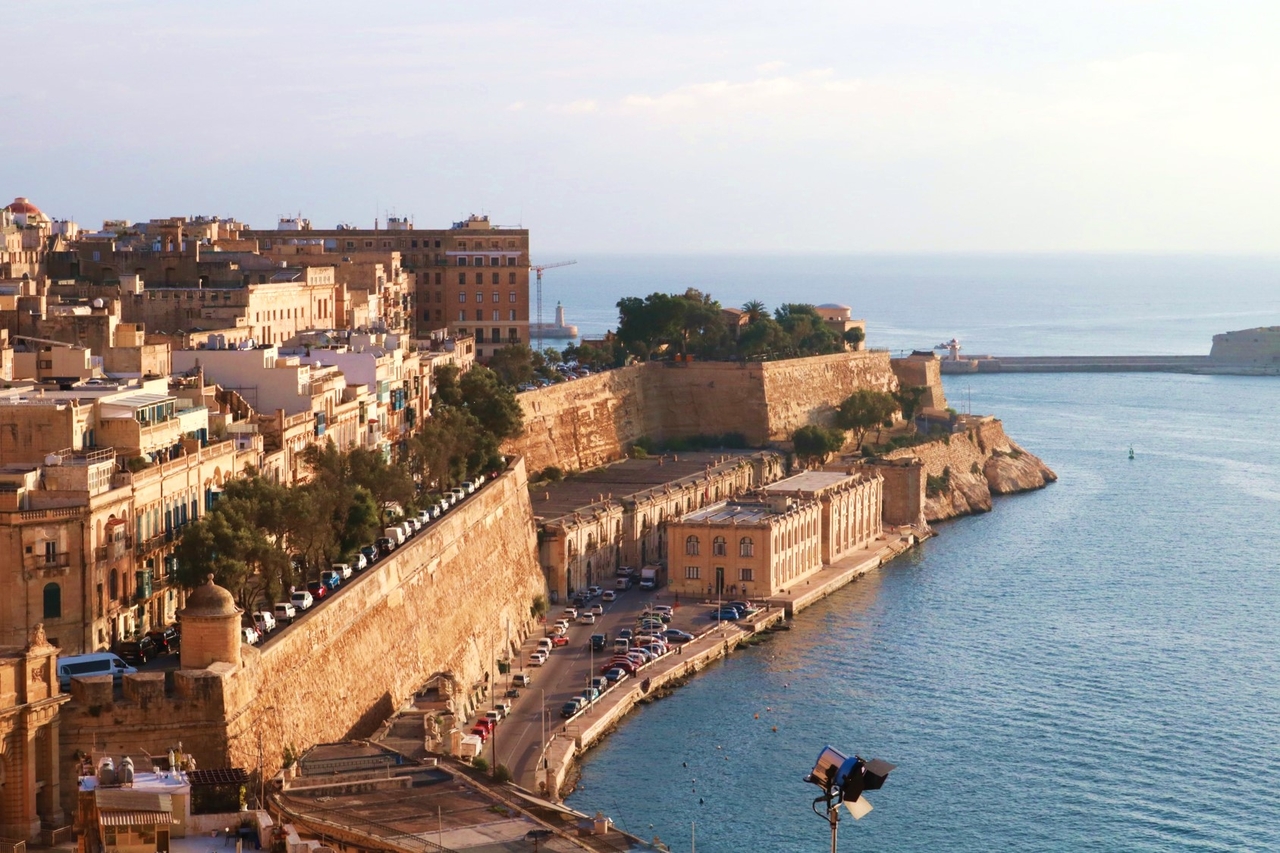
Some of these historic buildings have found new purposes that extend well beyond serving as museums.
One notable example is the Holy Infirmary in northern Valletta, a 400-year-old hospital that remained in use until the early 20th century. Today, the historic complex has been transformed into the Mediterranean Conference Centre, a venue that hosts numerous events each year, most recently the World Travel and Tourism Council Summit 2026.
Another example is the Embassy of the Sovereign Military Order of Malta, which occupies St. John's Cavalier, a historic stone building repurposed to serve a contemporary diplomatic function.
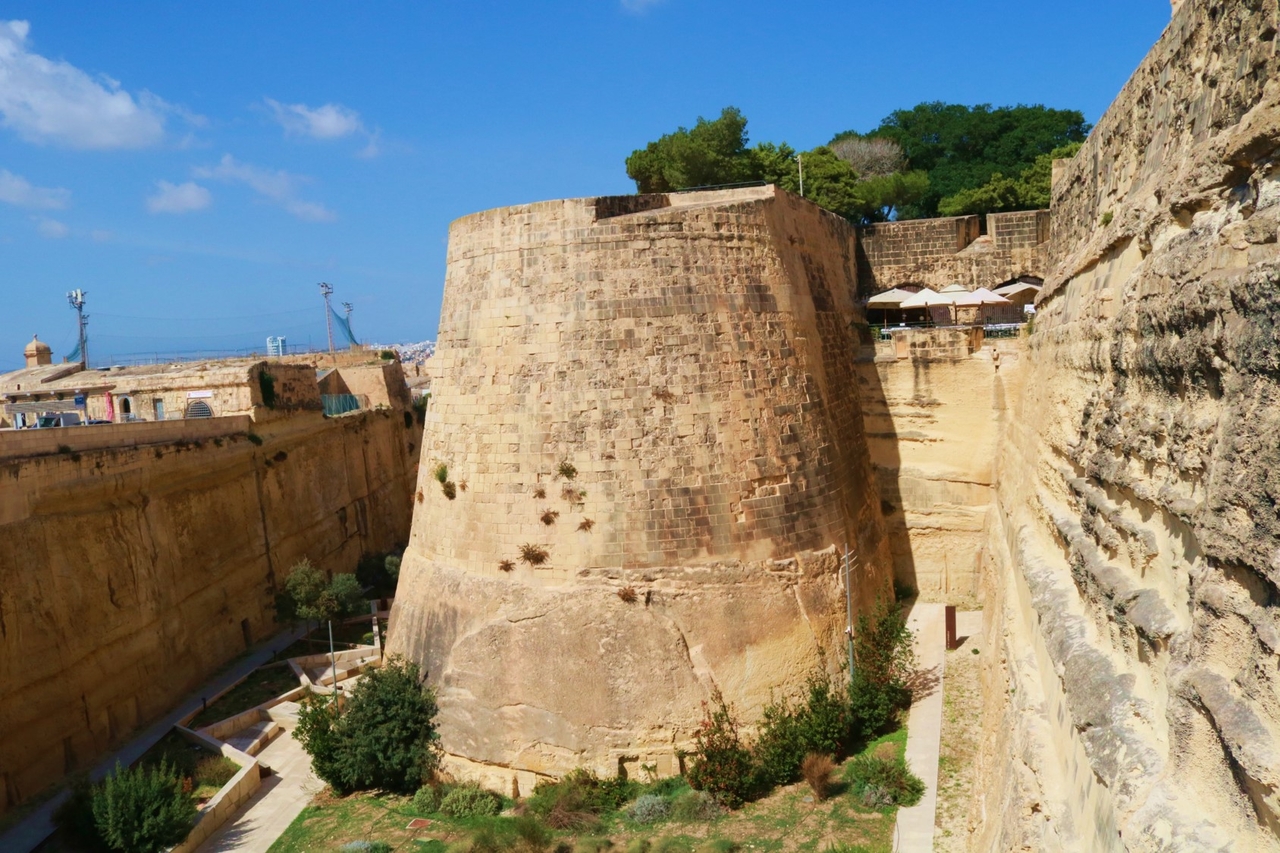
Preserving the heritage that has shaped Malta's identity as a strategically located Mediterranean island remains central to the country's efforts to sustain the growth of its tourism industry.
Malta's tourism, travel and hospitality sector has demonstrated strong resilience in its recovery from the pandemic of the early 2020s. The tourism industry accounts for 16.9 percent of the country's gross domestic product, far exceeding the European Union average of 2.6 percent.
From January to August this year alone, Malta welcomed 3.1 million travelers, generating 3 billion euros ($3.4 billion) in revenue. The figures for 2026 are projected to surpass those of 2025, when more than 4 million visitors brought in 3.9 billion euros.
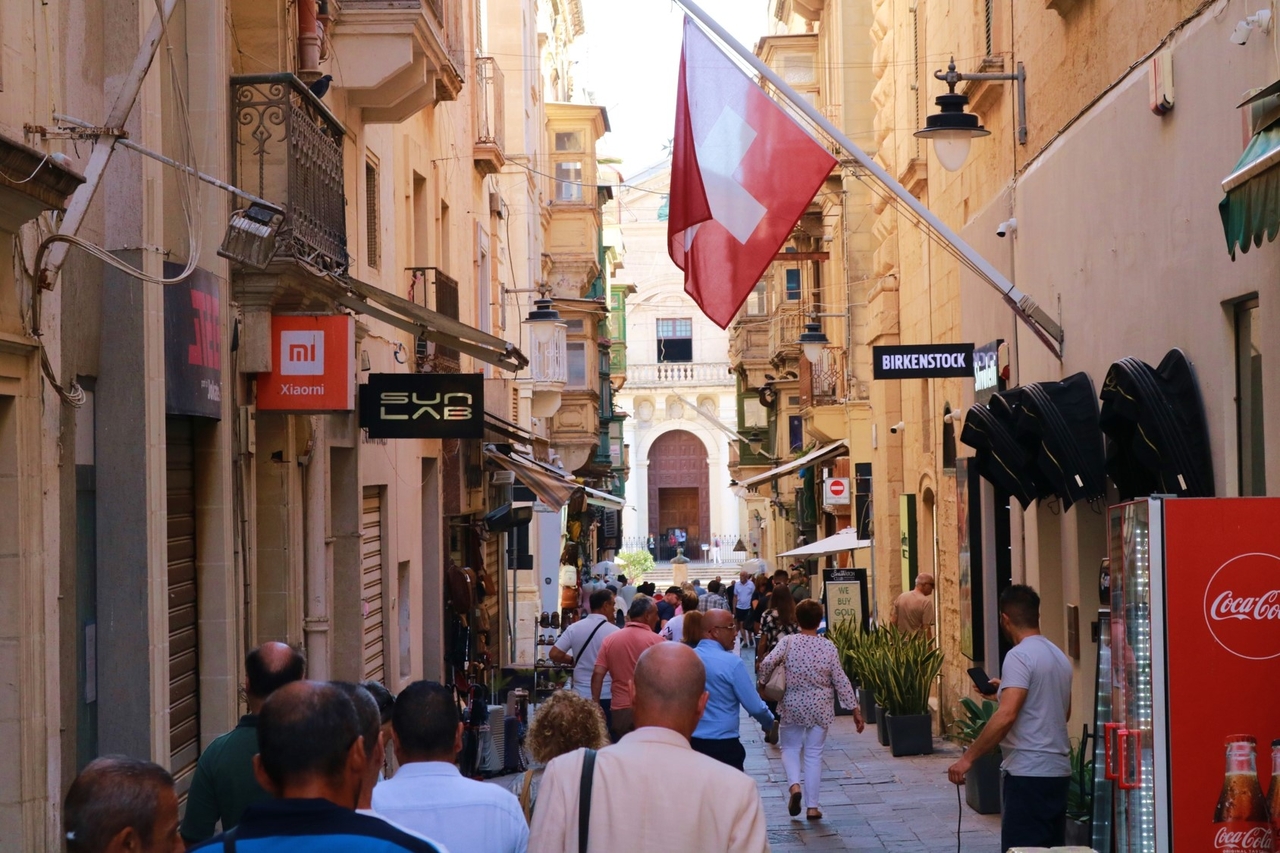
Building on this momentum, Malta's tourism industry is seeking to broaden its appeal beyond the country's traditional draws of a mild Mediterranean climate and rich cultural heritage.
"We are strengthening cultural tourism, conferences and business travel, luxury tourism, destination weddings, gastronomy, diving, wellness, language travel and many other specialized segments," Maltese Prime Minister Robert Abela said in his opening remarks at the WTTC Summit 2026, held in Valletta in early October.
The summit took place during what is widely considered one of the best times of year to visit Malta, when milder weather and thinner crowds make exploring the island particularly appealing.
"Our cultural heritage from the historic temples to the streets surrounding us here in Valletta, they all give visitors experiences that simply cannot be replicated as well," he added. "And our great strength remains in the warm character and the hospitality (of the people of Malta)."
Malta International Airport offers direct flights to 110 destinations in 36 countries, although there are currently no direct air connections between Malta and South Korea.
Malta welcomed 4,639 South Korean travelers in 2025, a 25 percent decline from 2024. The drop stood in stark contrast to the broader tourism trend, with overall visitor arrivals rising 13 percent over the same period.
consnow@heraldcorp.com

![[Weekender] Are men with type B blood really womanizers?](https://wimg.heraldcorp.com/content/default/2018/07/26/20180726000649_0.jpg?type=h&h=240)