

South Korea's push for military talks with North Korea over the Military Demarcation Line faces a basic problem: Agreeing on where the line lies could require one of two sides that have faced each other across it for more than seven decades to concede ground to the other, experts said Monday.
Nam Sung-wook, a professor of North Korean studies at Korea University, said the issue was difficult because settling the precise location of the military line would inevitably require one side to accept at least part of the other's interpretation.
"This is essentially a zero-sum game," Nam said. "It is not as simple in practice as it sounds in theory."
"If one side says a marker used to stand here, would the other side simply accept that?" he said. "Who is going to make a concession?"
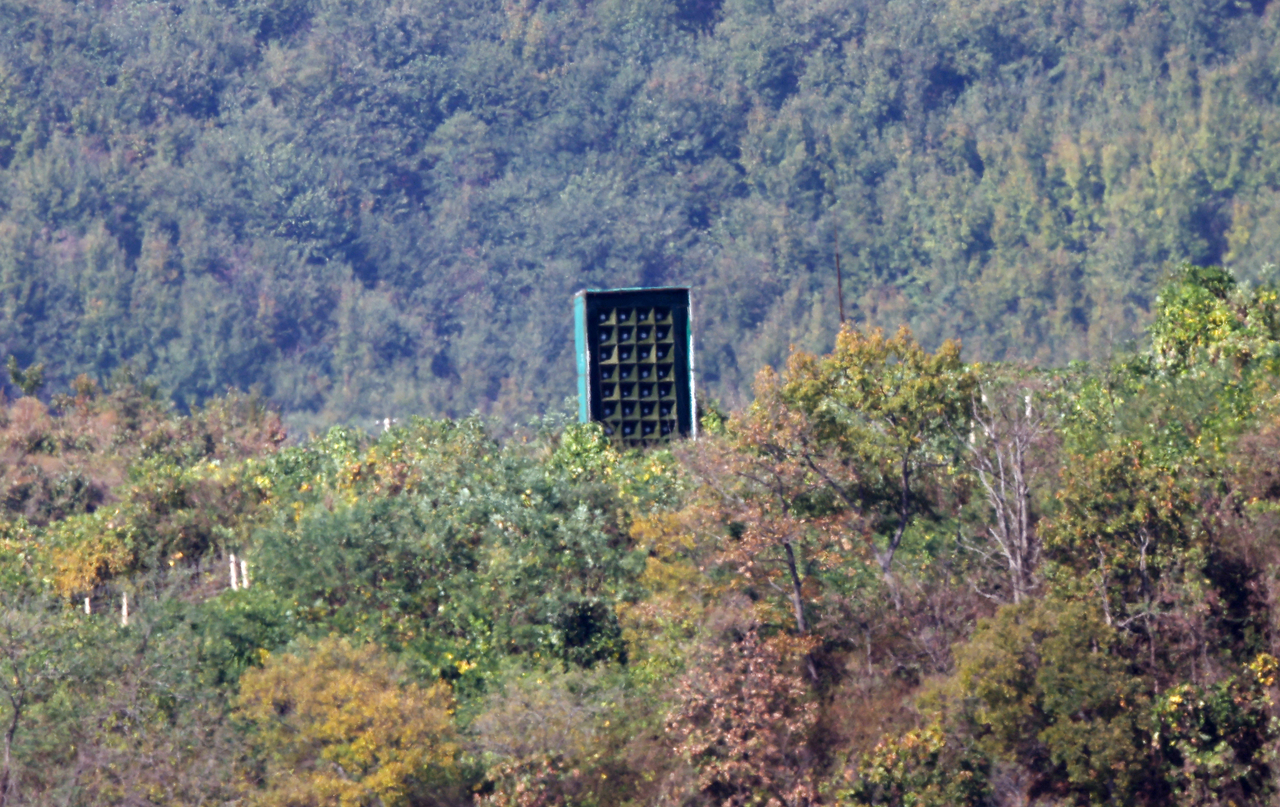
The MDL is a military demarcation line established under the 1953 Armistice Agreement that halted fighting in the Korean War, with 1,292 marker posts installed along the line inside the Demilitarized Zone. Though not a conventional international border, the line has separated the two Koreas for more than seven decades.
According to South Korea's Joint Chiefs of Staff, however, most of the markers have deteriorated or disappeared over the past seven decades, leaving only about 200 identifiable today.
The loss of physical markers, combined with different maps and coordinates used by each side, has contributed to discrepancies in interpretations of the precise location of the line on the ground.
"There are differences in how the South, North and the UNC understand the MDL," a JCS official said, speaking on condition of anonymity, referring to the United Nations Command.
The UNC, created in 1950 and currently led by a US general, later became a signatory to the Armistice Agreement and has since overseen the southern portion of the DMZ and handled armistice-related incidents.
Against that backdrop, South Korea's Defense Ministry on Friday proposed military talks with Pyongyang to jointly verify the location of the land-based MDL, restore military communication lines and discuss measures to prevent accidental clashes. North Korea has yet to respond.
The proposal also comes as tensions have risen around the line. Two explosions south of the MDL on Sept. 21 injured three South Korean personnel. Seoul blamed the blasts on North Korean antipersonnel mines, but Pyongyang has denied responsibility and accused the South of fabricating the incident.
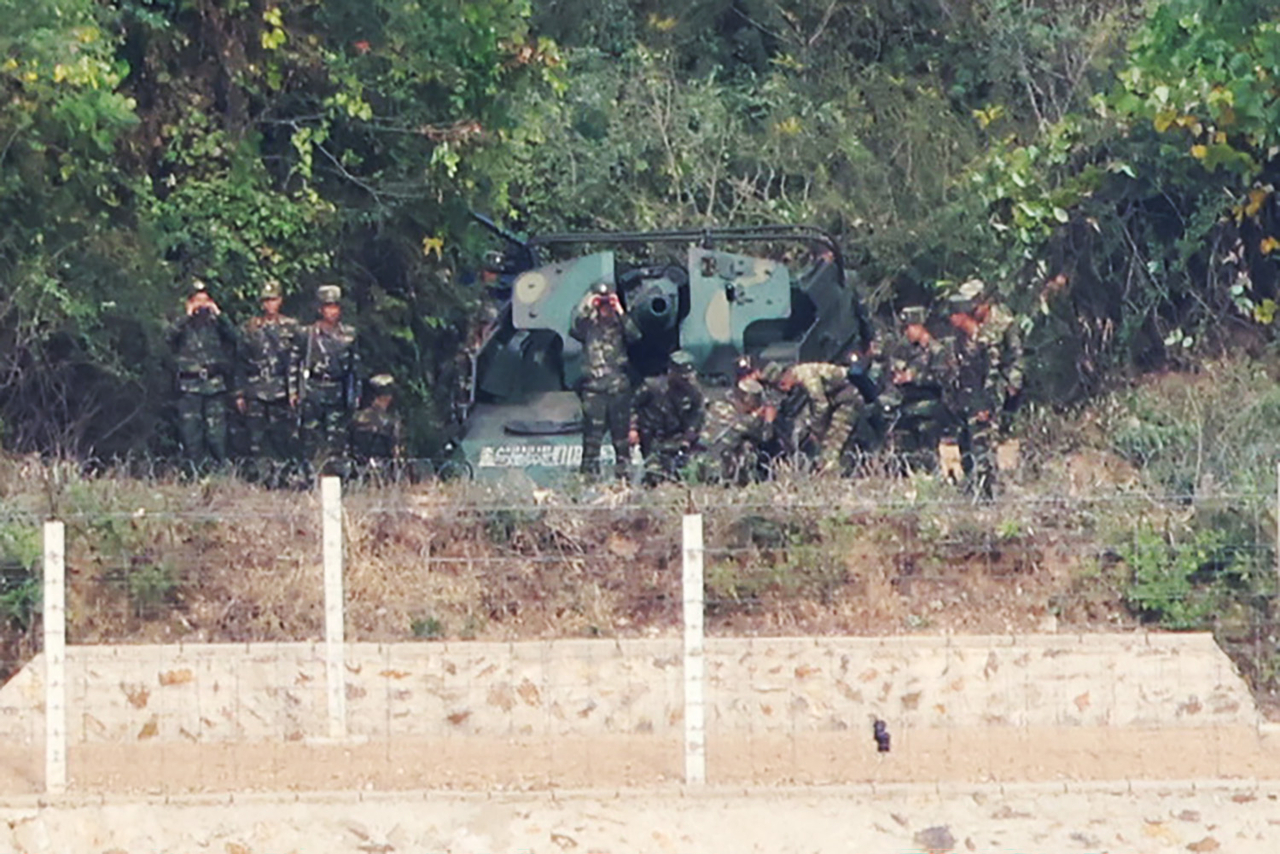
North Korea has continued fortification work near the border, including laying mines and building barriers and tactical roads, while repeated crossings by North Korean troops have prompted warning broadcasts and shots from the South Korean military.
Meanwhile, Moon Seong-mook, head of the Unification Strategy Center at the Korea Research Institute for National Strategy, said North Korea was unlikely to respond to Seoul's proposal.
"If North Korea had any intention of responding, it would have given some kind of answer," said Moon, a retired Army brigadier general.
He pointed to Pyongyang's continued fortification work along the border and efforts to sever ties with South Korea.
Moon also said that even if talks were pursued, the MDL issue should be handled within the framework of the Armistice Agreement rather than solely between the two Koreas.
"The Military Demarcation Line is not simply an issue for the two Koreas to decide," Moon said. "It is an issue that should be dealt with within the framework of the Armistice Agreement."
The armistice was signed by the UNC on one side and the North Korean military and Chinese People's Volunteers on the other. South Korea was not a signatory.
Shin Beom-chul, director of the Center for Security Strategy at the Sejong Institute, said the more fundamental question is whether Seoul has sufficient leverage behind its push for dialogue.
"A proposal for talks is effective when you have the initiative in inter-Korean relations," Shin said. "It is questionable whether South Korea currently has any leverage that can bring North Korea to the negotiating table."
flylikekite@heraldcorp.com