


Ongoing disruptions at Ticketlink Live Arena in Seoul’s Olympic Park are beginning to affect concerts scheduled as far ahead as October, forcing artists to relocate shows and raising concerns over further disruptions during the busy year-end concert season.
Singers Doh Kyungsoo — also known as D.O. of Exo — and Lee Changsub both announced venue changes recently for concerts that had been scheduled at the arena in October.
Doh will relocate the Seoul leg of his “Day Off” tour scheduled for Oct. 2-4 to Kintex Exhibition Center 1 in Goyang, Gyeonggi Province. While the dates remain unchanged, existing reservations will be canceled and tickets will go on sale again, due to differences in the seating configuration of the new venue.
The move from an arena to a large exhibition hall has prompted concerns among fans over the concert environment. With a new stage and seating plan yet to be announced, some have questioned how the venue will address sight lines, sound quality and practical differences in the architecture.
Lee will similarly move his “Unknown” solo concert to the Grand Peace Palace at Kyung Hee University in eastern Seoul. Originally scheduled for Oct. 9-11, the concerts will move to Oct. 16-18. Existing tickets will likewise be canceled, with reservations reopening under a new seating plan.

The changes are the latest fallout from disruptions surrounding Ticketlink Live Arena, where protests have affected the venue since June.
Protests began after the stadium was used as a ballot counting site for the June 3 local elections, during which ballot shortages were reported in the surrounding area. Protesters alleging election fraud began blocking access to the venue on June 5, saying it should remain untouched to preserve potential evidence, leaving the arena largely inaccessible for more than three months.
The disruptions have already forced a series of concerts and other events to relocate or cancel. Trot singer Park Seojin’s encore concerts, scheduled for July 4 and 5, were canceled after organizers were unable to secure an alternative venue, while TVXQ’s U-Know moved his July concerts to Jamsil Indoor Stadium around 10 days before they were scheduled to begin.
N.Flying also announced the relocation of its concert just 21 days before it was due to begin, while other events, including Weverse Con Festival, faced disruptions as concertgoers and protesters converged around the venue, causing heavy crowding and, in some cases, clashes between the two groups.
According to data compiled by the Korea Sports Promotion Foundation’s venue management subsidiary, 15 events scheduled at the arena between June 6 and Sept. 27 have either been canceled or relocated. Rental fees refunded for 13 events totaled approximately 1.07 billion won ($795,000), with an estimated 94,000 concertgoers affected.
As disruptions extend into October, attention is turning to concerts scheduled for later in the year, including Jung Seunghwan’s 10th anniversary concerts, “Do You Like Ballad?” to be held Dec. 4 to 6. As concerts typically require months of preparation involving venue reservations, ticket sales and stage production, prolonged uncertainty surrounding the arena could have repercussions for events scheduled during the year-end concert season.
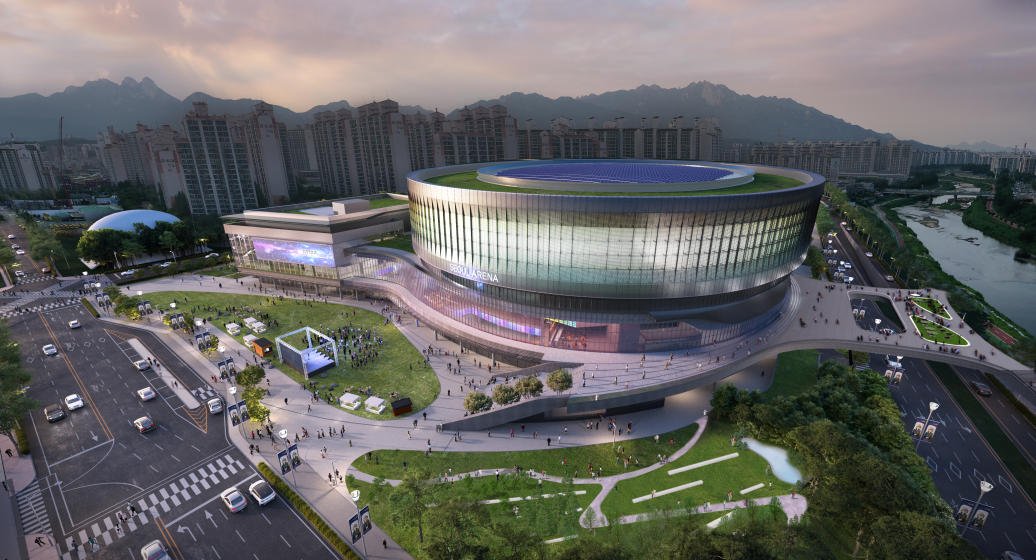
The situation has also renewed attention on Seoul’s long-standing shortage of midsize and large concert venues.
Against that backdrop, Seoul Arena in Dobong-gu, northern Seoul, began accepting its first official venue reservations on Thursday for performances scheduled for the latter half of 2027.
Applications from concert promoters and entertainment companies will remain open through Sept. 18 for its main arena, which will accommodate up to 28,000 people, and a midsize venue with around 7,000 seats. Seoul Arena is expected to finish construction in the first half of 2027.
lee.jungjoo@heraldcorp.com