"The rules of engagement have changed already."
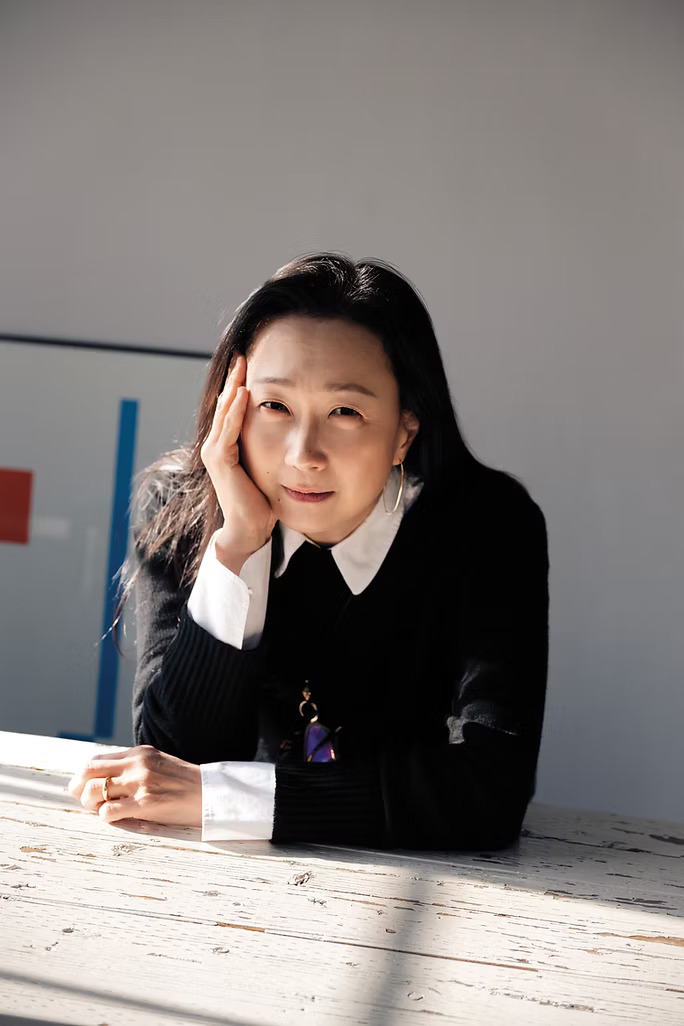
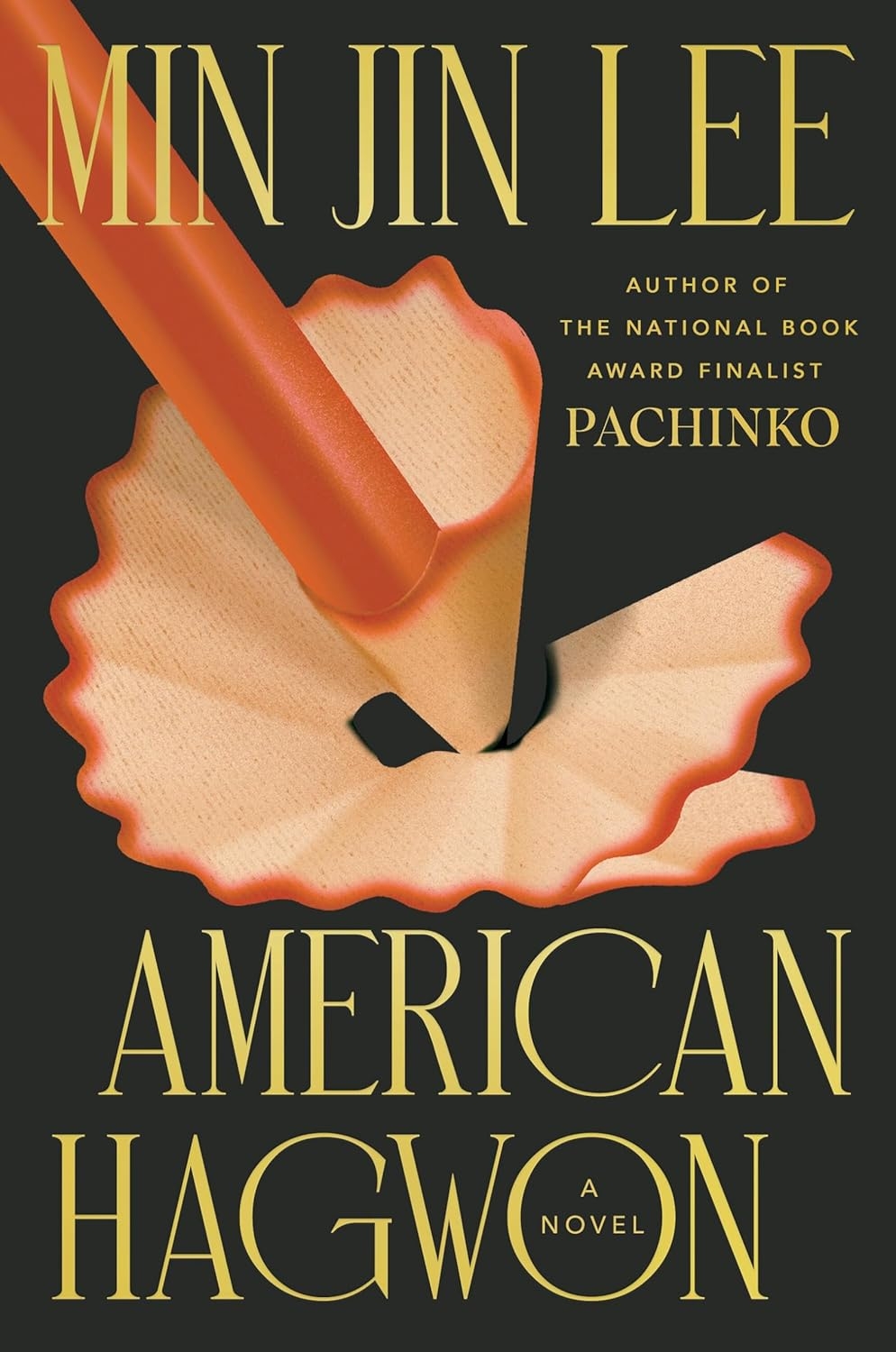
So begins Min Jin Lee's "American Hagwon," her first novel since the million-selling "Pachinko," the multigenerational saga that became an international bestseller and transformed her career.
The opening sentence sets the terms for a new story about Korean families, migration and the enduring belief that education can secure a better future — even as the world makes that promise increasingly difficult to keep.
"The first sentence of each of my books is a thesis statement," Lee said.
"The novel is actually the proof of that sentence. I start my novels with a lot of metaphysical questions, and then I do all this research. And then after I'm ready to start writing, I usually have the first sentence, and that part actually never changes, even though the rest of the novel gets rewritten 18, 19 times."
Her earlier novels also announced their central themes in their opening lines.
"History has failed us, but no matter," begins "Pachinko," which follows a Korean family across generations, from Japanese-occupied Korea to Japan, exploring the costs of displacement, discrimination and the struggle to build a life in a country that treats them as outsiders.
"Competence can be a curse" opens her debut novel, "Free Food for Millionaires," which follows Casey Han, a Korean American Princeton graduate navigating career ambitions, family expectations and questions of class and identity in New York.
In "American Hagwon," the question is what happens when the rules that once promised security stop working.
Spanning 1992 to 2007, the novel follows John and Helen Koh and their three children, Bo, DH and Mido, as a betrayal by John's longtime friend and the 1997 Asian financial crisis upend the family's life in Seoul.
Seeking to rebuild their fortunes and protect their children's prospects, the Kohs move to Sydney and eventually Orange County, California. There, the parents must navigate a society in which their professional credentials and accumulated knowledge carry less weight, while their children confront new possibilities and pressures.
Across three countries and more than a decade, the family's story explores the sacrifices parents make for their children and the limits of the belief that hard work and academic achievement will guarantee a secure life.
For Lee, the novel also addresses a persistent misunderstanding of Asian American families and their ambitions.
"I'm really upset about the way Asians, Asians in America and Asian Americans — all different — are pathologized in our interest for self-improvement," she said. "It's automatically seen as something toxic. So I think in this book, what I'm trying to do is give the context as to why we try so hard."
That context, she added, does not mean every sacrifice is justified. "I'm also critiquing that trying so hard for the wrong reasons, or for the right reasons, can be difficult for us to live with."
The novel's title refers to"hagwon," which are private learning centers where students pay for supplementary instruction in subjects ranging from academic disciplines to the arts.
"Almost a decade ago, I started to write 'American Hagwon' because I wanted to understand why education is so important to Koreans around the world," she said.
But the questions that emerged extended beyond education. Lee found herself asking how to live a wise life in a world that was changing at an ever-faster pace.
"The more life transforms at an alarming rate, the more I realize that wisdom and deep engagement are the qualities that I seek the most in an immersive narrative."
While readers familiar with "Pachinko" may recognize her continued focus on Korean families, Lee sees "American Hagwon" as a distinctly contemporary story with broadly relatable themes.
"Most of the people that I wrote about are still alive today, and it's between 1992 to 2007, so these are the situations and problems and global crises that we're experiencing right now."
Lee described "American Hagwon" as the novel she had most wanted to share with her readers. In writing it, she said, she was also trying to answer a question for herself: how to "live, struggle better and flourish" when the odds feel deeply stacked against us.
hwangdh@heraldcorp.com