
American choreographer reflects on K-pop's 'incredibly high' dance standards, working with Taemin and Jungkook
When Ian Eastwood first worked with Taemin on his solo debut 12 years ago, he expected to spend several rehearsals teaching him the choreography for "Danger." Taemin learned everything he had prepared in the first session.
Back in Korea this month, Eastwood was again impressed, this time by artists who had yet to debut.
Teaching at entertainment labels, the American choreographer encountered trainees as young as 12 or 13 who could learn choreography, absorb corrections and incorporate staging within 90-minute lessons.
"The baseline level is incredibly high," he said.
His latest visit brought him into different corners of Korea's dance scene: training idols, holding dance workshops and watching crews perform at Haru, an annual competition in Seoul showcasing original choreography. On Tuesday, he judged the livestreamed final of "Street World Fighter: Directors' War," the latest in Mnet's dance competition series that includes "Street Woman Fighter."
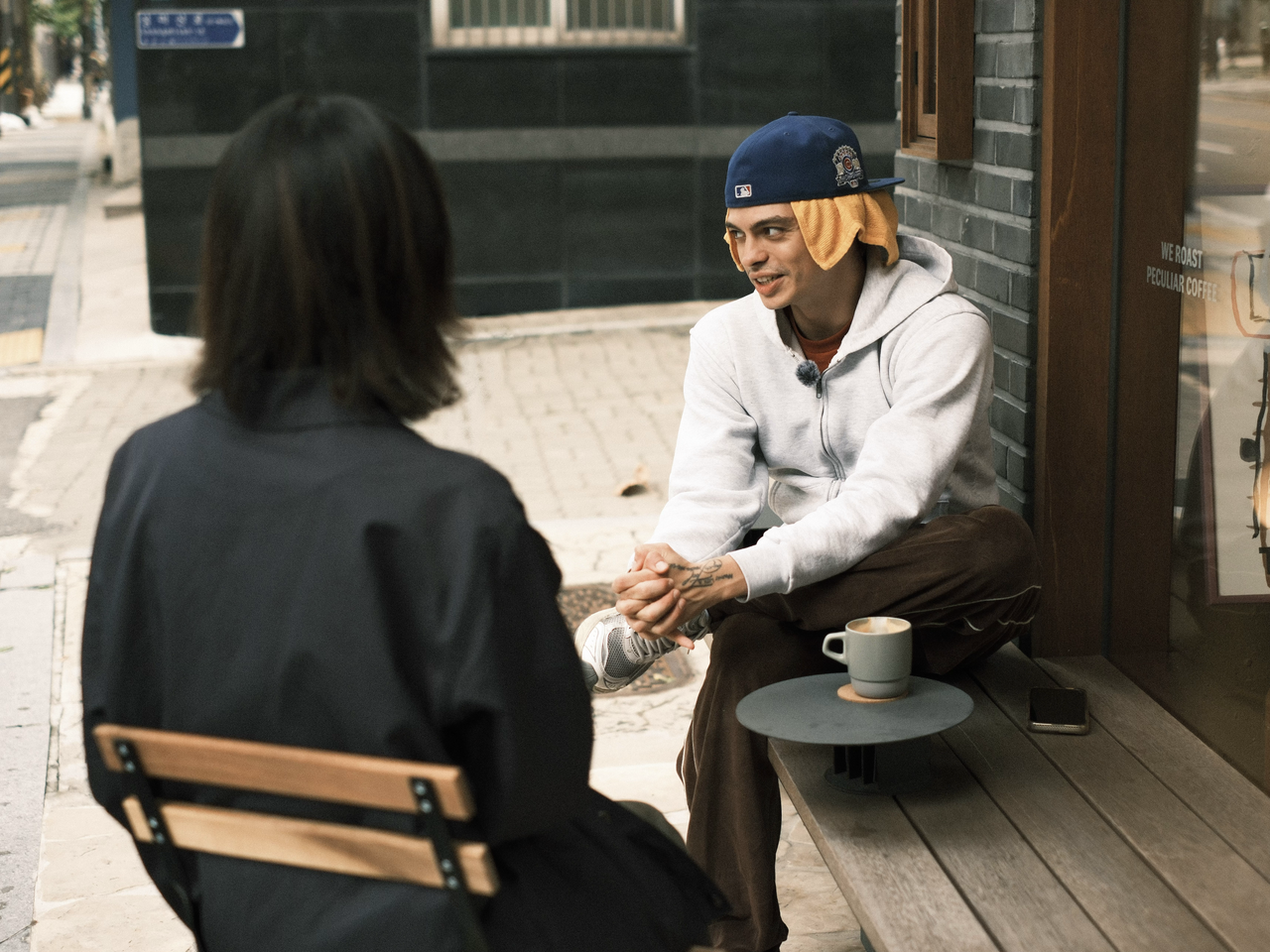
Speaking to The Korea Herald in Seoul on Monday, Eastwood reflected on how much has changed since his first K-pop assignment — and what he hopes to contribute through Wenzdays, the community session he started in Los Angeles, taking root in Seoul.
Working with K-pop
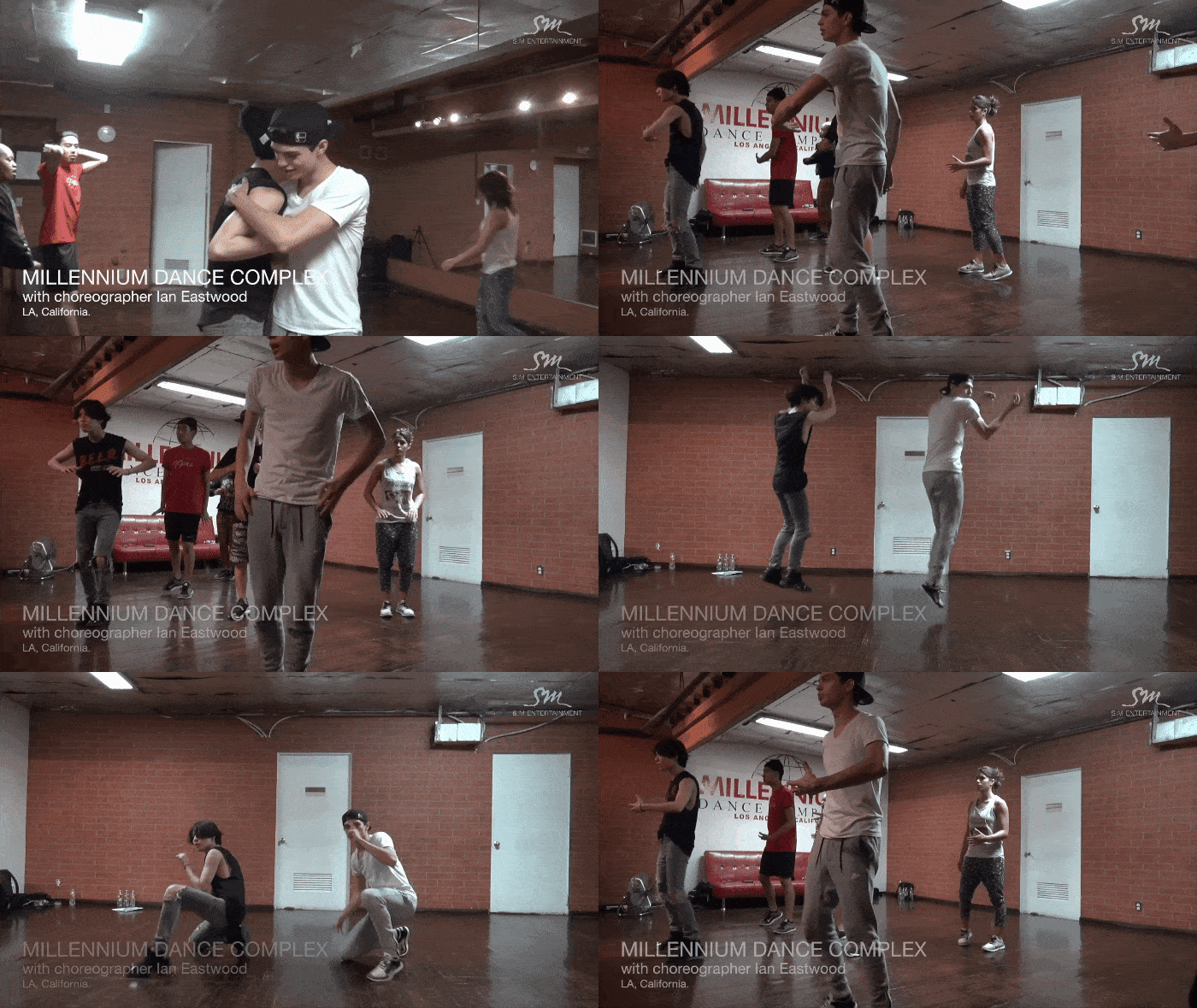
His introduction to the industry came 12 years ago, when SM Entertainment contacted him about Taemin's solo debut, "Danger."
Still settling into life in Los Angeles and gaining recognition through YouTube, Eastwood knew little about K-pop beyond the work of a few American choreographers he admired.
Rather than following the usual procedure of having him record and send the choreography, SM flew Taemin to Los Angeles to learn it in person. Eastwood understood how seriously the company was taking the debut, but had yet to grasp what Taemin was capable of.
American artists he had worked with generally wanted shorter dance sections. Preparing an entire song required a different approach, and he had allowed time to teach it piece by piece.
Instead, Taemin’s speed left them time to refine the performance. In a recent social media post, Eastwood recalled that SM even asked whether the breakdown section could be made harder.
"I was immediately blown away by the skill level," he recalled.
The two also found common ground beyond the choreography: They were both 21 years old and related similarly to their respective groups. "I was considered like the baby of my dance crew," he said, while Taemin was "the baby of Shinee."
The assignment became a lasting friendship and the two have reconnected over the years. As Taemin's English improved, their conversations deepened, prompting Eastwood to imagine returning the effort by learning some Korean.
"I could speak to him Korean, he could speak to me English," he laughed. "That could be cool."
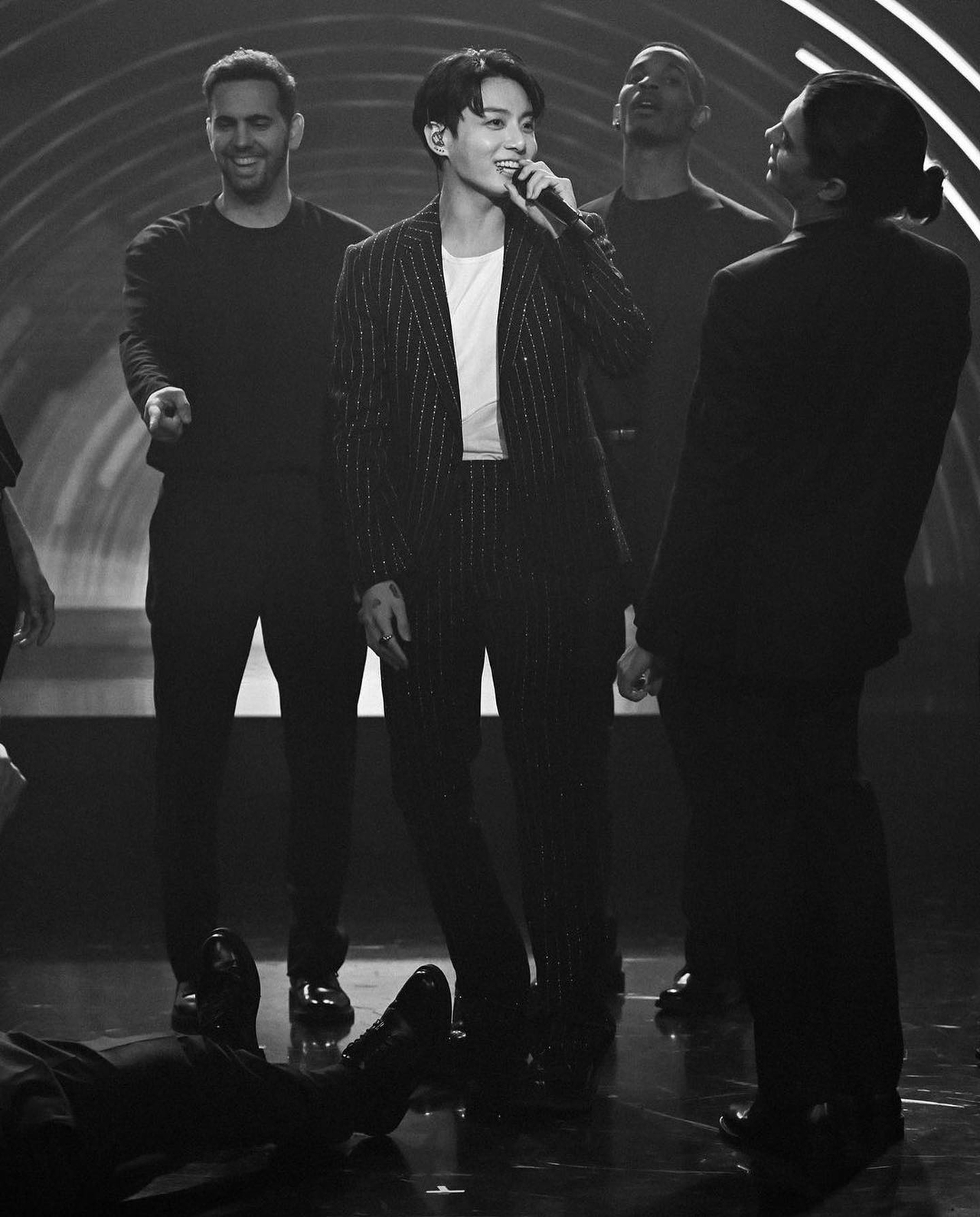
Working with Jungkook held a personal significance, too. Eastwood learned that Jungkook had studied his dancing closely, even down to how he breathed. "Ian" had also been among Jungkook’s potential stage names.
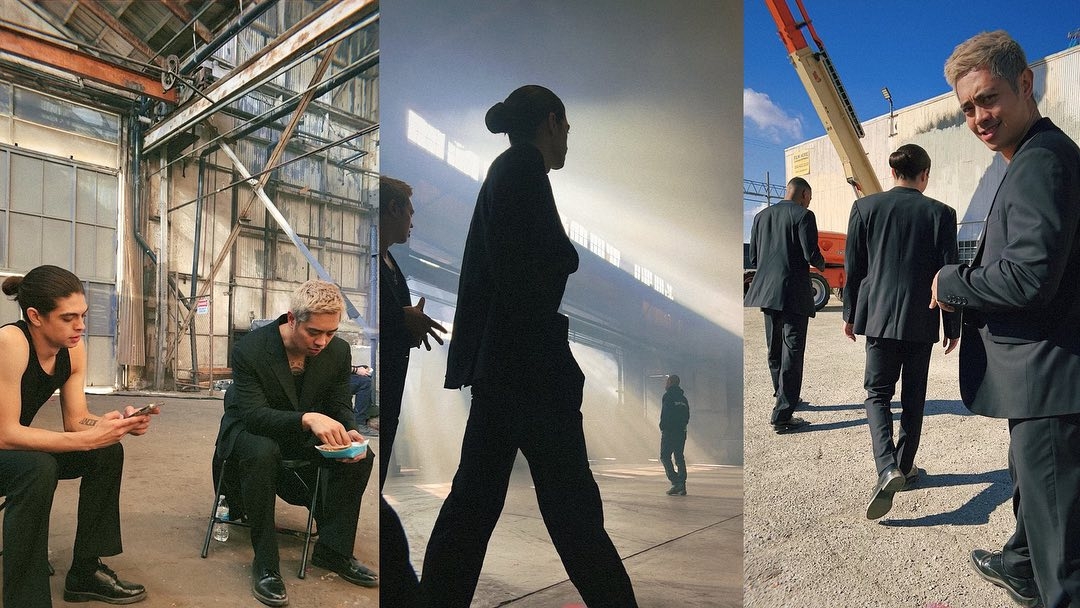
A core memory for Eastwood came on the filming set for "3D," when Jungkook suddenly called his name and broke into his choreography to "Make It Nasty" from over 10 years earlier.
"It may seem like something very small, but moments like these are deeply fulfilling," he wrote on Instagram.
Speaking to The Korea Herald, he explained how much recognition for the choreography meant to dancers like him, and how performing alongside an artist who had grown up learning from his work made that influence tangible and brought his career full circle.
"It was honestly a dream come true, really," he said.
Eastwood was equally impressed by Jungkook's performance. He pushed back against the suggestion that K-pop's emphasis on precision leaves less room for emotional expression.
"I'm dancing right next to them and I feel them," he said. "I feel their spirit and their energy. I believe them."
Beyond the TV screen
Ahead of his appearance as a judge on "Street World Fighter: Directors' War," Eastwood shared advice drawn from the broader relationship between dance and television, encouraging dancers to understand the opportunities and expectations that come with the platform.
"Dance and TV is always like a hard relationship," the choreographer said.
"It's never not going to be, because ultimately producers and people who create a television show — they have their agenda. They usually hope their best to uplift dance, but ultimately, unless, you know, things are created by dancers or for dancers, it's always going to be hard to satisfy everybody.
"You have to pick your battles, and you have to understand as a dancer the platform that you're stepping into and what the stakes may be for that."
He also encouraged dancers who feel disappointed or conflicted by the TV experience to keep developing projects of their own and finding common ground within the community — something he acknowledges is not always easy.
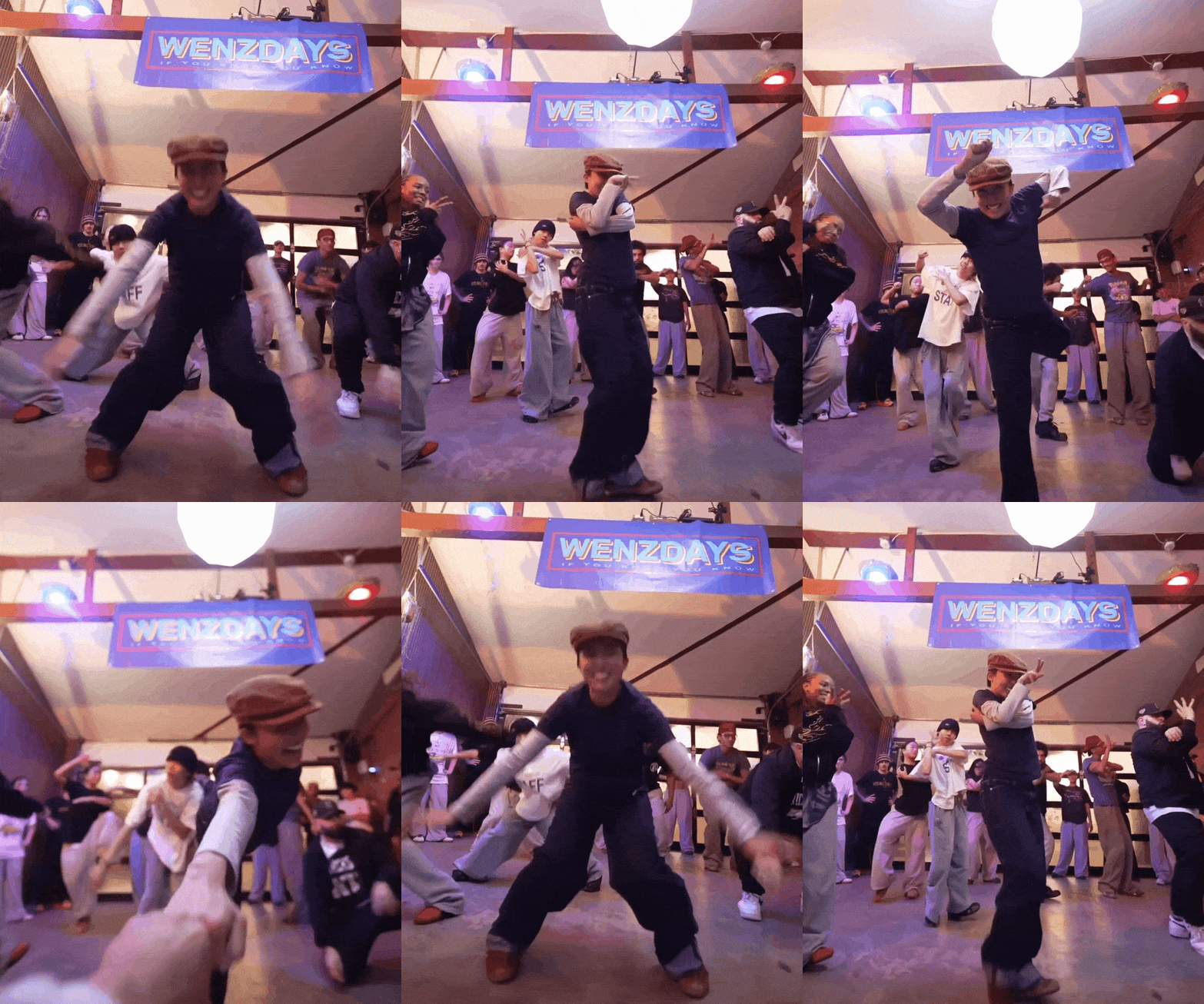
His own effort is Wenzdays, through which he hopes to bring people together around the idea that dance should be free and accessible to everybody.
Held every Wednesday free of charge, the sessions bring dancers together to follow along as a choreographer builds a routine on the spot. What began in Eastwood's Los Angeles garage has since spread across the US. Seoul became its first international chapter after choreographer and performance director Haeni Kim attended a session in Los Angeles and wanted to bring the experience home.
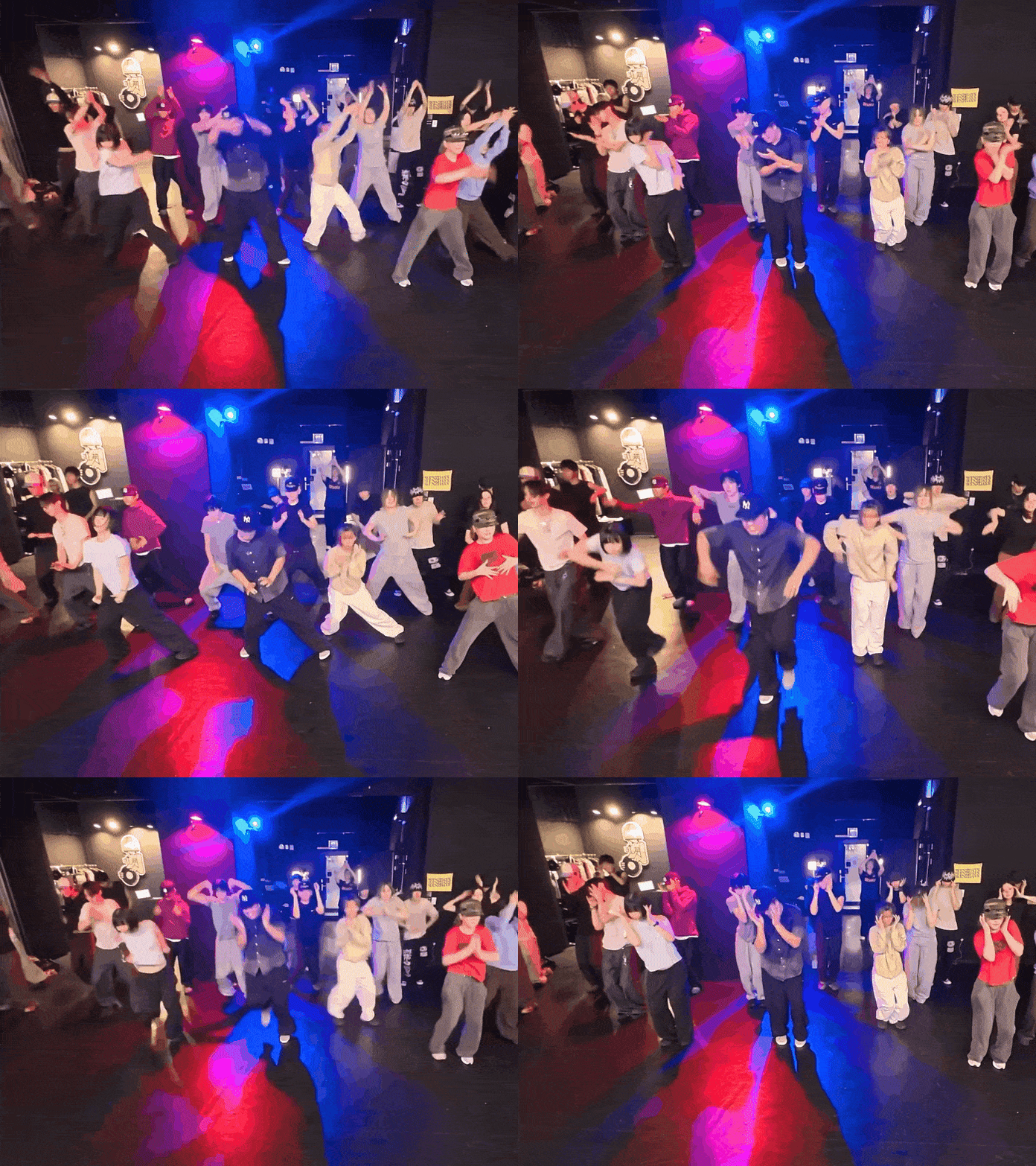
Eastwood has noticed how local culture shapes the Seoul sessions, describing the dancers as humble, hardworking and perfectionists. Over successive visits, he has watched Wenzdays in Korea become livelier and the younger organizers take on greater responsibility, bringing ideas of their own to the format.
"My dream is that every city in the world has a Wenzdays chapter so that people can access dance," he said. "I'm really proud of them (the Seoul chapter) and I can't wait to see what they create."
tammy@heraldcorp.com