
The South Korean government outlined a policy package Thursday to curb excessive child abuse allegations against teachers, amid concerns over mounting pressure on educators, including suicide cases linked to malicious complaints.
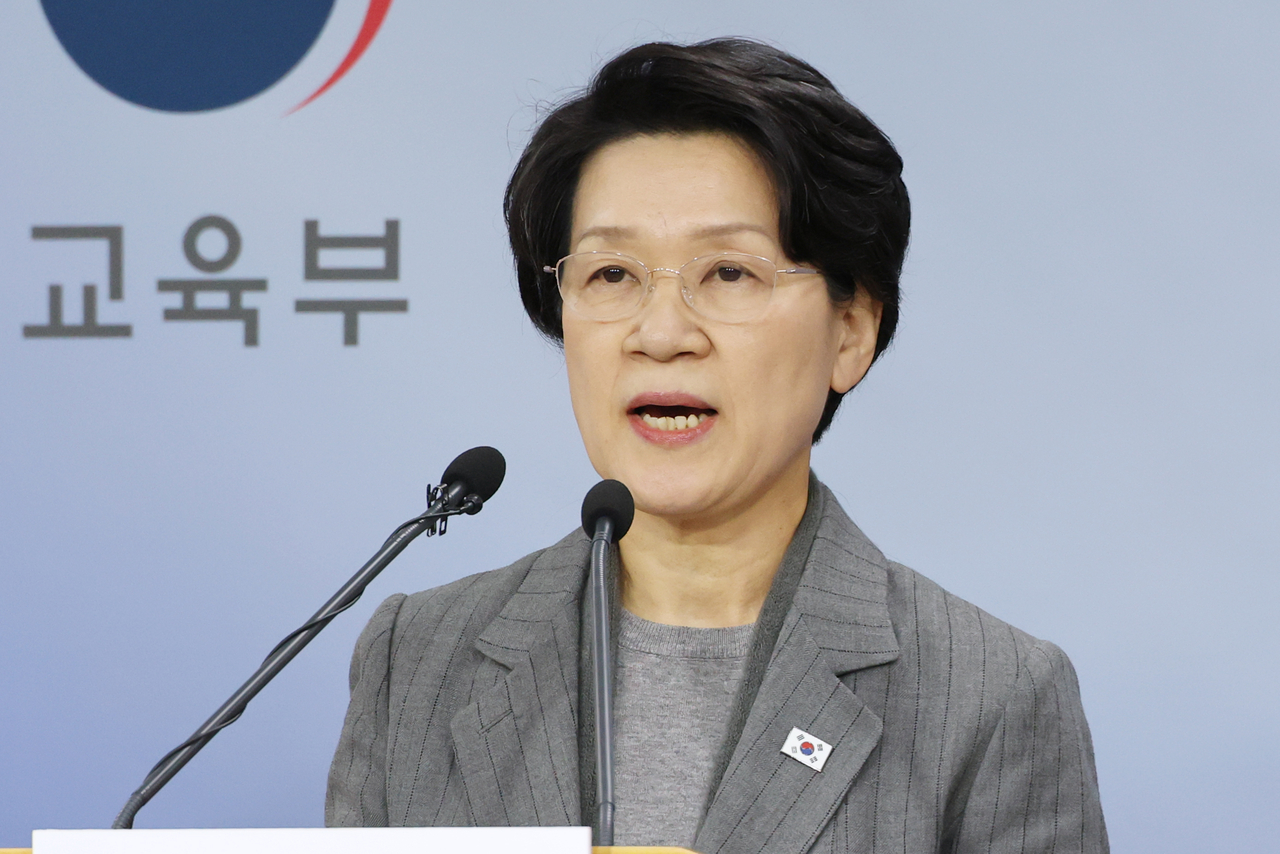
The package, announced by the Ministry of Justice, involves coordination among government agencies, including the Ministry of Education, the Ministry of Health and Welfare and the National Police Agency.
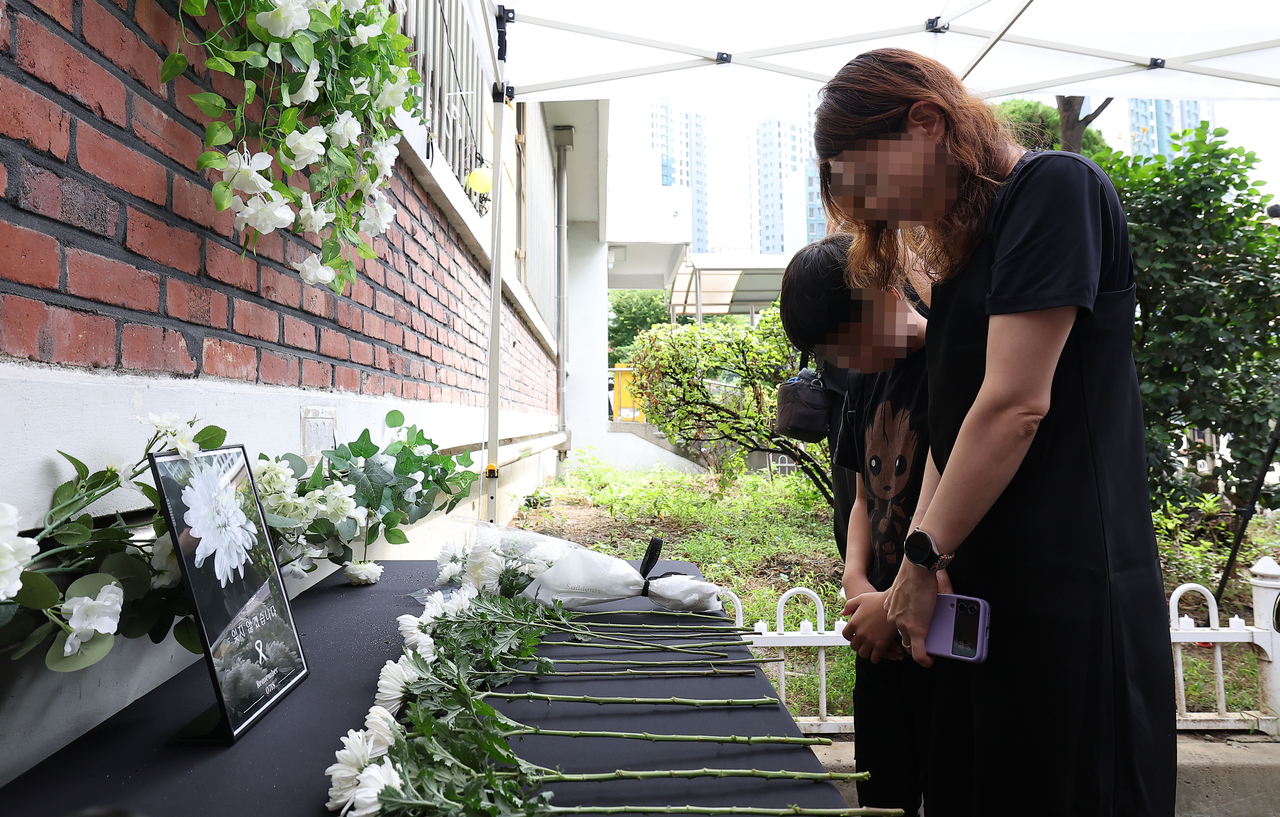
The move follows renewed calls for better protection of teachers after an elementary school teacher in southern Seoul took her own life in 2023, reportedly following persistent complaints from parents.
Subsequent legal efforts to protect teachers have been criticized as ineffective.
More targeted protections
While the previous legal revisions focused on establishing principles to ensure respect for teachers in schools, the new package directly addresses child abuse allegations.
The measures would generally exclude teachers' educational activities and student guidance from the scope of the Child Welfare Act, unless they go beyond reasonable educational practices or risk harming children's development.
The package also seeks to clarify the legal definition of emotional abuse under the Child Welfare Act.
While the law broadly defines emotional abuse as conduct that harms children's mental health and development, the proposed changes reflect a Supreme Court ruling requiring a level of psychological violence or cruelty that harms or threatens a child's mental health, welfare or normal development.
Dedicated school teams and regional education offices will handle complaints against teachers through mediation and legal support. The government will also cover part of attorney fees for teachers facing criminal charges.
The government pledged to expedite the closure of cases when allegations are clearly unfounded, although it set no specific timeframe.
However, under current law, police must still forward investigation records in cases they decide not to refer for prosecution, leaving questions over how far the proposed early-closure measures can go.
Previous efforts fall short
The latest move comes amid criticism that sweeping legal revisions in 2023 to protect teachers have failed to bring meaningful changes, with educators continuing to face child abuse allegations.
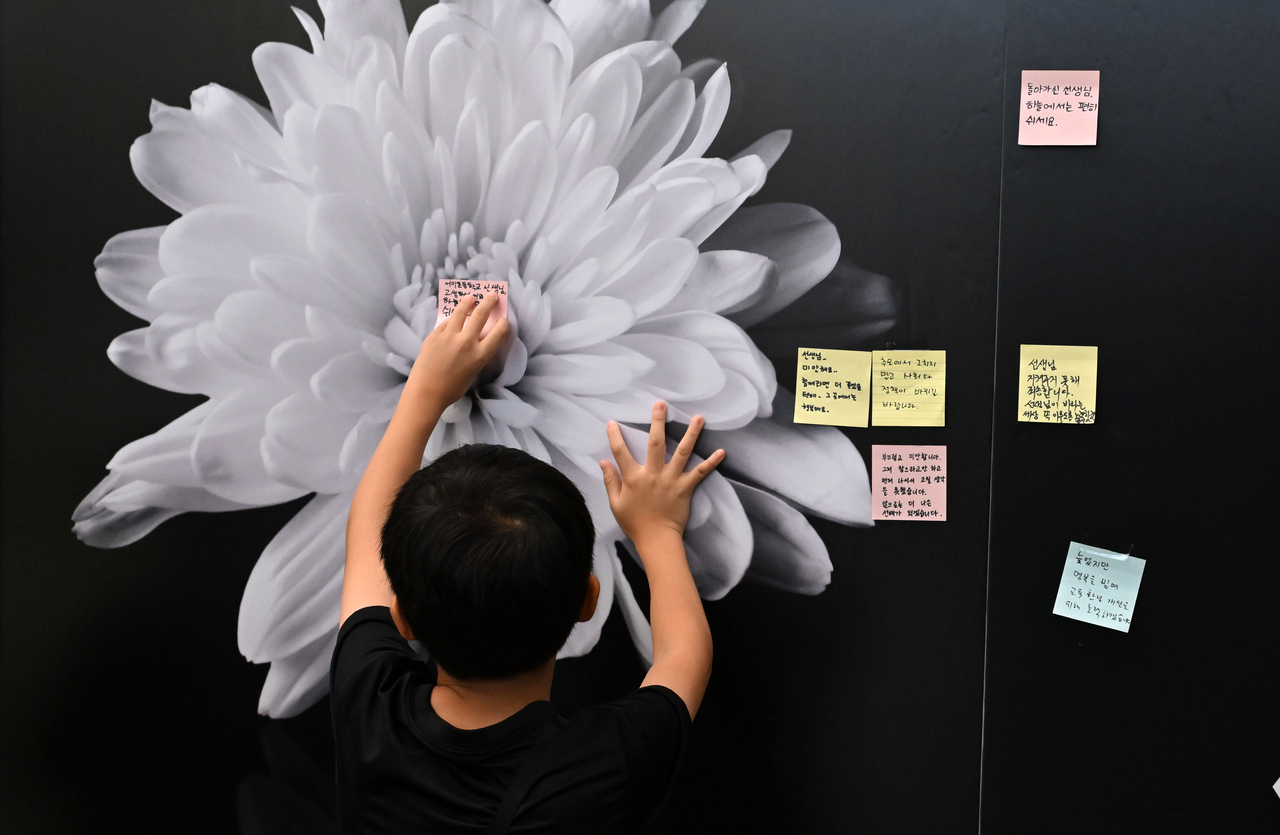
The revisions followed the suicide of a teacher at Seo2 Elementary School in southern Seoul in 2023, reportedly after repeated complaints from parents.
In September that year, five laws were revised, including the Act on the Status of Teachers, the Framework Act on Education, the Elementary and Secondary Education Act, the Early Childhood Education Act and the Act on Special Cases Concerning the Punishment of Child Abuse Crimes.
However, a 2025 survey of 8,600 kindergarten, elementary, middle and high school teachers found that 80 percent of respondents said the revisions had made no difference to verbal abuse and malicious complaints from parents or classroom disruptions by students.
Between the passage of the five revisions and August this year, the Education Ministry reviewed 1,323 such cases in which provincial and metropolitan education superintendents deemed the teachers' actions legitimate educational activities.
Police and prosecutors found no grounds for the allegations in 1,231 cases, or 93 percent.
Questions remain
Teachers have long sought revisions to the Child Welfare Act. However, teachers’ groups remain concerned that investigations could still be launched and continue even when allegations are clearly groundless.
"The changes represent meaningful progress after years of efforts by teachers. However, fundamental institutional reforms are needed to prevent investigations from being launched in the first place over unfounded child abuse allegations," the Korean Teachers and Education Workers' Union said in a statement following the announcement.
The union called for revisions to the Act on Special Cases Concerning the Punishment of Child Abuse Crimes to allow police to close unfounded cases without referring them to prosecutors, as well as for superintendents' assessments of legitimate educational activities to carry legally binding weight.
The group also argued that lawsuits over legitimate educational activities should be filed against the state, rather than individual teachers.
Parents' groups, meanwhile, expressed concerns that non-educators could struggle to determine what constitutes excessive discipline or child abuse.
"Child abuse cases cannot be assessed through (surveillance) footage, as there are no cameras in classrooms, and investigators have to rely on statements from both sides," said Jang Hana, former lawmaker and secretary-general of Political Mamas, in comments to local media.
"Closing a case before an investigation begins simply because parents cannot provide clear evidence could create another victim."
forestjs@heraldcorp.com