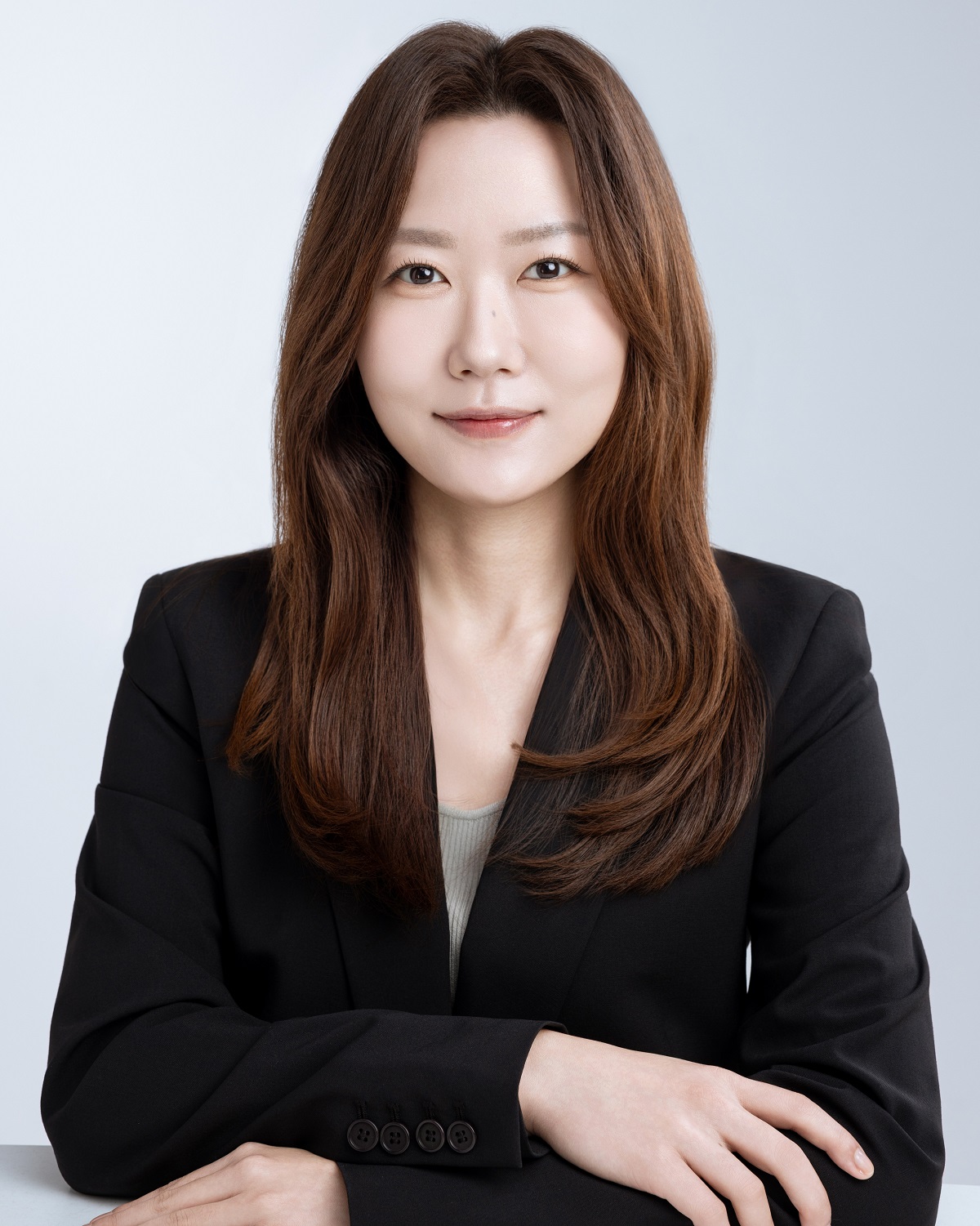
Hong Ihk-pyo favors working-level talks, acknowledges two-state reality without endorsing policy
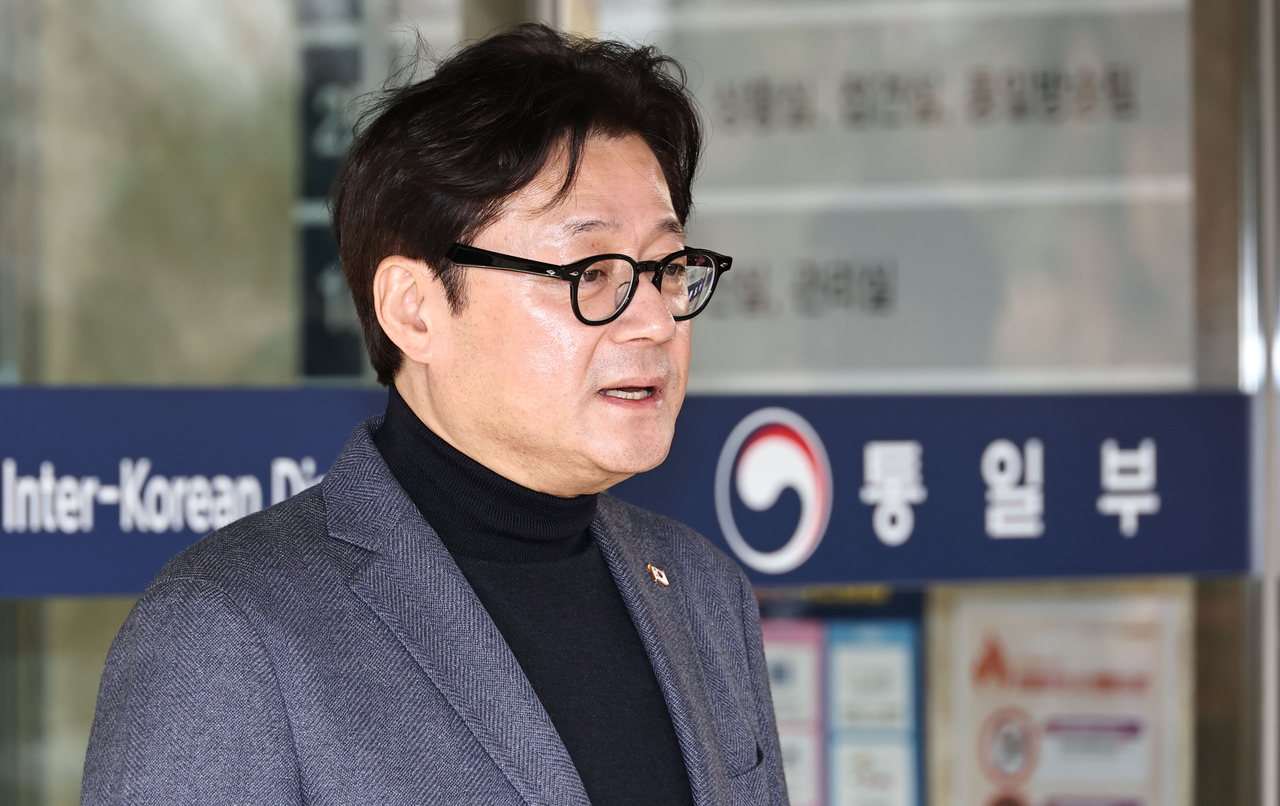
Unification Minister nominee Hong Ihk-pyo on Thursday called for a pragmatic approach to reviving inter-Korean relations, prioritizing working-level engagement over high-level talks while acknowledging that the two Koreas effectively exist as separate states under international law.
Hong also played down reported divisions within the Lee Jae Myung administration over its North Korea policy, and pledged to forge a unified approach among foreign affairs and security ministries.
"Given the situation on the Korean Peninsula, it would be desirable to address issues through lower-level and more realistic approaches rather than high-level dialogue," Hong told reporters at the Office of Inter-Korean Dialogue in Samcheong-dong, Seoul, ahead of his parliamentary confirmation hearing.
He said specific initiatives to resume engagement with Pyongyang would be announced after he takes office and consults with relevant government officials.
On the controversial concept of "two peaceful states" championed by outgoing Unification Minister Chung Dong-young, Hong stressed that it was "not yet the government's official position," but one of several options under consideration.
The concept calls for recognizing the two Koreas as de facto separate states and pursuing peaceful coexistence.
Critics argue that it could conflict with South Korea's Constitution, which defines the entire Korean Peninsula as its territory, and the long-standing principle that inter-Korean relations constitute a special relationship aimed at reunification.
"With the simultaneous admission of South and North Korea to the United Nations in 1991, the existence of two de facto states has become a reality under international law," Hong said.
His remarks suggest a willingness to acknowledge the reality of the divided peninsula without endorsing Pyongyang's policy of defining the two Koreas as hostile states.
Hong nevertheless acknowledged the special nature of inter-Korean relations under South Korean law, pledging to build consensus on the future direction of government policy.
Addressing apparent disagreements among foreign affairs and security ministries, Hong said differences of opinion were natural given their respective responsibilities.
"I do not see them as discord or clashes in the way some media outlets have portrayed them," he said.
Hong identified easing inter-Korean hostility, expanding public participation in North Korea policymaking and strengthening diplomatic efforts toward peaceful reunification as his key priorities.
"We will not rush toward the goal of peace on the Korean Peninsula, but neither will we stand still," Hong said. "We will secure public support through tangible and realistic achievements."
Separately, Hong addressed allegations of self-plagiarism involving his 2005 doctoral dissertation at Hanyang University, acknowledging that parts of the paper fell short of current research ethics standards but arguing that the relevant regulations were not in place at the time.
According to broadcaster MBC, around 20 pages of his dissertation were nearly identical to sections of a research report he co-authored in 2004.
Hong denied any serious breach of research ethics, with his office saying he would provide a fuller explanation at his confirmation hearing.
mkjung@heraldcorp.com