
Financial regulator among 22 agencies set to move by 2027; police, human rights commission by 2031
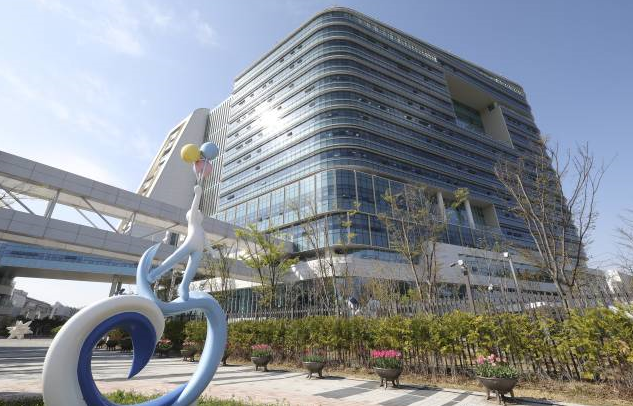
The government has finalized plans to relocate 31 state agencies and more than 5,400 civil service positions to Sejong by 2031, accelerating its push to strengthen the city’s role as South Korea’s administrative capital.
The plan, approved by President Lee Jae Myung on Tuesday evening, marks the first phase of a broader relocation initiative involving 44 government agencies announced on Oct. 13.
Of the 31 agencies, 22 with a combined staff of 1,600 will move into leased offices in Sejong by the end of next year. They include the Financial Services Commission, the Broadcasting, Media and Communications Commission and the Nuclear Safety and Security Commission.
Nine other agencies, accounting for 3,860 positions, will relocate by 2031 once new office buildings and specialized facilities are completed.
They include the Board of Audit and Inspection, the National Police Agency, the Corruption Investigation Office for High-ranking Officials and the National Human Rights Commission of Korea.
The human rights commission’s relocation has been pushed back to accommodate its specialized facility needs.
“Given the nature of the human rights commission’s work, it needs dedicated spaces for investigations and counseling, along with other specialized facilities for some people from marginalized groups. We plan to build a facility suited to those needs,” Shin Hwa-young, a director at the Ministry of the Interior and Safety, told The Korea Herald on Wednesday.
Relocation plans for the remaining 13 agencies, accounting for 4,469 positions, have yet to be finalized. They include the ministries of foreign affairs, unification, national defense and justice, as well as the newly established Public Prosecution Service and Serious Crimes Investigation Agency.
The Interior Ministry expects to spend around 48 billion won ($36 million) next year on leasing, renovating and moving into temporary offices, while constructing the new government buildings, including land purchases, will cost about 1.6 trillion won.
Interior Minister Yun Ho-jung said in October that the relocation was aimed at easing the concentration of population and resources in the greater Seoul area and strengthening Sejong’s role as the country’s administrative capital.
yunapark@heraldcorp.com