Kang Kum-sil’s security credentials come into question
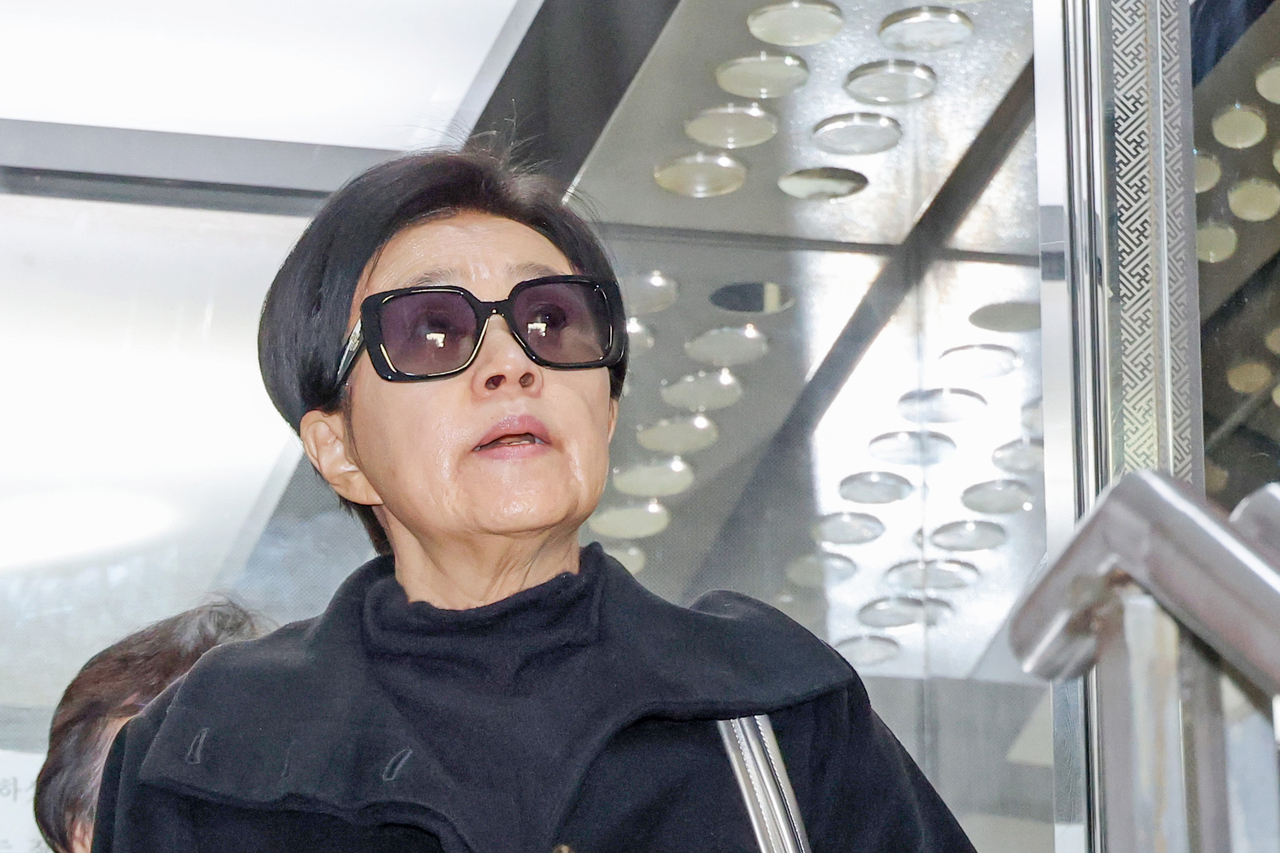
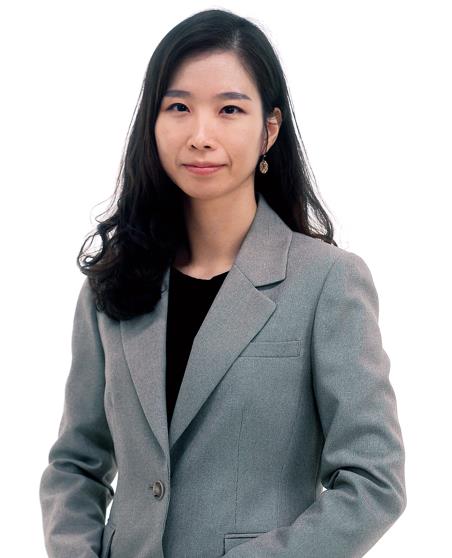
President Lee Jae Myung’s Cabinet reshuffle has been hit by a political firestorm over his pick for South Korea’s next spy chief, with former Justice Minister Kang Kum-sil facing questions over her past ties to China, security credentials and political proximity to the president.
Appointing an outsider to lead the National Intelligence Service is far from unprecedented. Only two career NIS officials, Kim Man-bok and Suh Hoon, have risen to the top job, while two former justice ministers, Kim Seung-kyu and Kim Sung-ho, have held the post.
But Kang’s nomination comes at a sensitive moment for Seoul’s intelligence ties with Washington, amid tensions over intelligence sharing and conservative criticism of outgoing NIS Director Lee Jong-seok’s perceived leanings toward Beijing.
The main opposition People Power Party has launched an offensive, with Rep. Ahn Cheol-soo branding Kang a “pro-China figure” on Tuesday, and demanding that the president withdraw her nomination.
The party's Chair Rep. Jang Dong-hyeok went further Wednesday, saying, “Look at her one way, and she is anti-American; look at her another, and she is pro-China.”
Rep. Kim Jae-sub of the party also raised concerns over Kang’s past positions on China in a YTN radio interview Wednesday.
The NIS said it was unable to immediately comment when contacted by The Korea Herald on Wednesday morning.
At the center of the controversy are Kang’s former advisory roles with two Chinese local governments and her past remarks on sensitive foreign policy issues.
Kang was appointed as a special adviser to northwestern China's Qiqihar in 2013 and a special economic adviser to Yanbian Korean Autonomous Prefecture, along the Chinese border with North Korea, in 2014, with the latter appointment renewed in 2019 through 2022. Her work focused on providing legal advice to attract South Korean investment and facilitate joint ventures.
Her opposition to the deployment of the US Terminal High Altitude Area Defense system in South Korea has also come under renewed scrutiny.
In a Facebook post in July 2016, Kang argued that THAAD was “not simply an issue between South and North Korea.”
“It is not simply a matter of national defense, but one that spans all areas, involving diplomacy, politics and, in particular, the economy and survival strategy,” she wrote.
More recently, Kang praised Chinese President Xi Jinping’s role in global climate diplomacy during an April 30 press briefing, according to the Korean-language edition of China’s People’s Daily.
“The 2015 Paris Agreement, too, was possible because President Xi Jinping, who embraces the concept of ecological civilization as a vision for our times, exercised global leadership,” said Kang, speaking in her capacity as ambassador for global climate and environment.
The presidential office has dismissed the accusations as politically motivated.
Seong Ghi-hong, senior presidential secretary for public communications, told CBS radio on Tuesday that taking a particular foreign policy position reflects “strategic judgment” and does not necessarily mean siding with another country.
He called attempts to label someone “pro-China” or “pro-North Korea” on that basis “a highly partisan way of looking at foreign and security affairs,” stressing that Kang would lead the agency “guided by the national interest.”
Seong also pointed to US precedents of women with legal backgrounds holding senior intelligence posts.
The comparison, however, only goes so far. Avril Haines, who served as director of national intelligence under US President Joe Biden, was a lawyer but had also served as deputy CIA director and principal deputy national security adviser before taking the job.
Even within the ruling Democratic Party of Korea, some senior figures have stopped short of offering an unequivocal endorsement of Kang.
“Whether she is the right person or not, we will know by seeing how things proceed and what results she delivers,” Democratic Party Rep. Song Young-gil told YTN radio Wednesday.
“The president is using someone he trusts,” Song added.
Kang’s ties to Lee run deep. She chaired his fundraising association during his 2021 presidential primary bid and helped lead his successful 2025 presidential campaign. After Lee took office, she served as his special envoy to France before being appointed climate ambassador in January.
Rep. Park Jie-won, a former NIS director, was equally guarded Tuesday, offering a response that fell short of an endorsement.
“As a senior member of the ruling party, I can hardly go around saying, ‘Oh, this is a mess,’ can I?”
dagyumji@heraldcorp.com