Cabinet honors citizens' defense of democracy; Lee urges crackdown on religious groups' illegal activities, exam cheating
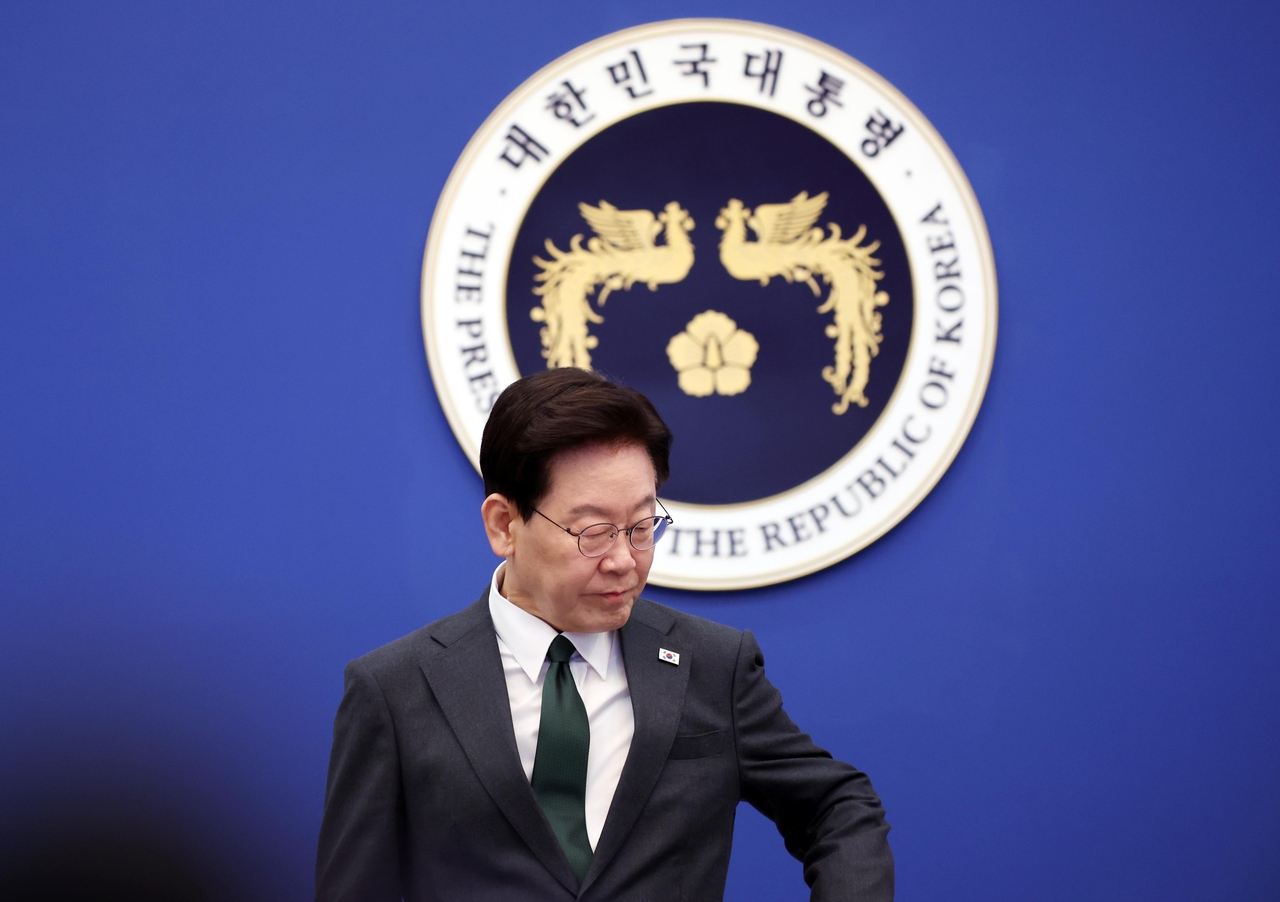
South Korea has designated Dec. 3, the anniversary of the 2024 martial law declaration, as People’s Sovereignty Day, to commemorate the citizens who stood up to defend democracy against an unconstitutional power grab.
The Cabinet approved the designation Tuesday, nearly a year after President Lee Jae Myung first proposed the idea on the first anniversary of the martial law crisis.
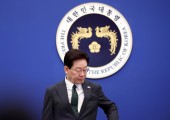
“On Dec. 3, 2024, the constitutional order of the Republic of Korea faced a grave crisis,” Lee said at the Cabinet meeting, referring to the martial law declaration by ousted President Yoon Suk Yeol.
“The purpose of designating this historic People’s Sovereignty Day as a national commemorative day is to reaffirm the principle of popular sovereignty that the nation belongs to its people.”
Lee recalled how citizens confronted armed soldiers and blocked armored vehicles “with their bare hands” to defend democracy.
“Though we held different views and had taken different paths in life, we all came together that day to stand against martial law troops, defend the National Assembly and restore democracy,” he said.
Lee described the “revolution of light” protests as a historic victory for democracy, while cautioning that challenges remained despite overcoming the crisis.
Crackdown on religious groups
Lee also renewed his push to dissolve religious organizations engaged in illegal activities, instructing the Ministry of Culture, Sports and Tourism to report on its review of possible measures.
“The time has come to seriously consider effective measures, given that a wide range of crimes continue to come to light, including those committed using the religious organizations themselves,” Lee said.
While Lee did not name specific groups, his remarks came amid lingering controversy over alleged political interference by the Unification Church and the Shincheonji Church of Jesus.
A special counsel investigation uncovered allegations that the Unification Church had sought political influence through money and gifts to figures close to the Yoon administration, including former first lady Kim Keon Hee.
Shincheonji, meanwhile, has faced allegations of organized interference in the ruling Democratic Party’s leadership election in August, which the church has denied.
Lee first raised the possibility of dissolving religious organizations that systematically interfere in politics at a Cabinet meeting on Dec. 2, 2025, citing a similar case in Japan. His remarks were widely seen as targeting the Unification Church, then under investigation by the special counsel.
Broader bans on exam cheats
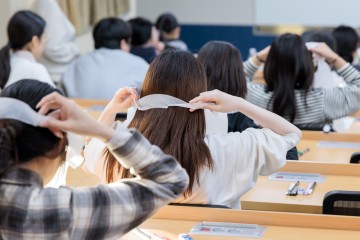
Lee also floated the possibility of barring anyone caught cheating on one national exam from taking other state-administered tests, stepping up his calls for tougher penalties amid growing concerns over technology-assisted cheating.
His remarks followed revelations involving the use of increasingly sophisticated cheating devices, including smart glasses, in this year’s College Scholastic Ability Test, or Suneung.
Lee likened exam cheating to stock price manipulation, saying both undermine fair competition and public trust solely for personal gain.
He called for a government-wide investigation into national exam cheating, greater rewards for whistleblowers and tougher penalties for those caught, alongside legal and technological measures to prevent exam papers from being photographed or leaked.
Lee also urged a fundamental review of the country's assessment system in light of advances in artificial intelligence.
“In particular, as we enter the AI era in earnest, it is time to consider whether our existing methods of testing and assessment need to change,” he said.
While acknowledging that broader restrictions on exam eligibility could be considered excessive, Lee argued that existing penalties may be insufficient to deter repeat offenders.
“If someone uses such technology to cheat on one exam and then does the same on another, that is also a problem,” Lee said. “Wouldn’t it be appropriate to bar them from taking other exams for a certain period as well?”
dagyumji@heraldcorp.com