

Collecting forest products without permission can lead to fines or criminal penalties
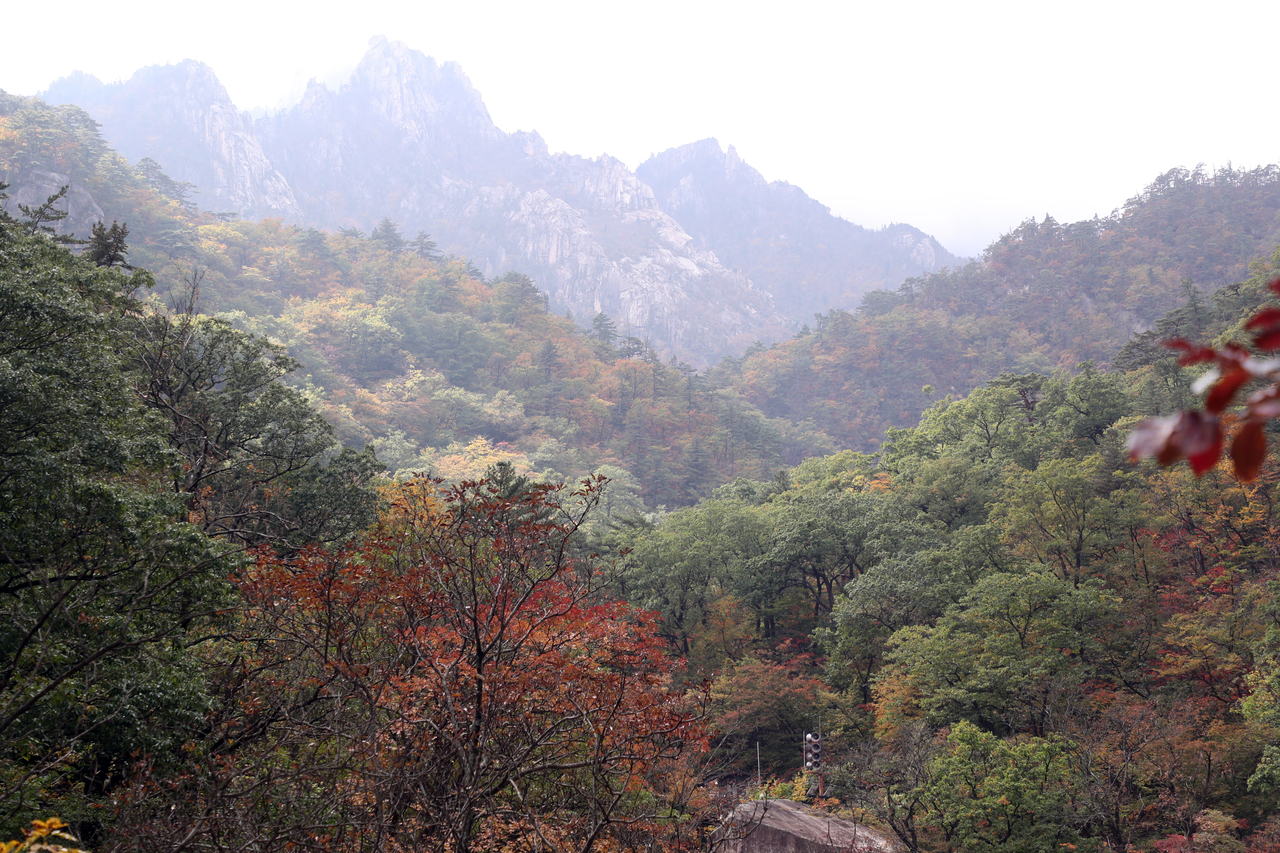
Acorns and chestnuts are popular ingredients in Korean dishes and snacks, but collecting them without permission in parks and forests can lead to fines or criminal penalties.
Authorities are stepping up enforcement during the autumn harvest season, when hikers and other visitors gather forest products.
The Korea National Park Service is monitoring unauthorized collection in national parks, while the Korea Forest Service is cracking down on illegal activities in forests.
In southern Seoul, Gangnam-gu is patrolling forests including Daemosan and Guryongsan through Nov. 15, focusing on people collecting acorns and chestnuts without the forest owner’s consent.
About 20 officials and temporary workers are taking part in the patrols, including on weekends and public holidays.
The district says acorns and chestnuts are an important food source for squirrels and other wild animals, especially during winter. Items recovered during the crackdown are returned to the forest for wildlife to eat.
The district also plans to restore damaged unofficial trails created by people leaving designated paths to collect forest products, including by planting trees and installing fences and signs.
Crackdowns continue through autumn
The Korea National Park Service’s autumn monitoring campaign runs through Nov. 30. Along with unauthorized collection of forest products, it covers activities such as entering restricted areas, cooking or camping outside designated sites, and smoking in national parks.
The Korea Forest Service’s separate crackdown runs through Saturday. It covers the illegal collection of forest products such as medicinal herbs and mushrooms, as well as unauthorized entry into restricted areas.
Penalties depend on location
In designated urban parks, the unauthorized collection of flowers and fruit is subject to an administrative fine of 50,000 won ($38) under the enforcement decree of the Act on Urban Parks and Green Areas.
In natural parks, including national parks such as Seoraksan National Park in Gangwon Province, collecting wild plants without permission from the park authority can be punishable by up to three years in prison or a fine of up to 30 million won ($23,000) under the Natural Parks Act.
Separately, the Creation and Management of Forest Resources Act provides for penalties of up to five years in prison or a fine of up to 50 million won for stealing forest products.
minsikyoon@heraldcorp.com