Australian playwright Emmanuelle Mattana explores masculinity, power and the gap between knowing the right words and doing the right thing
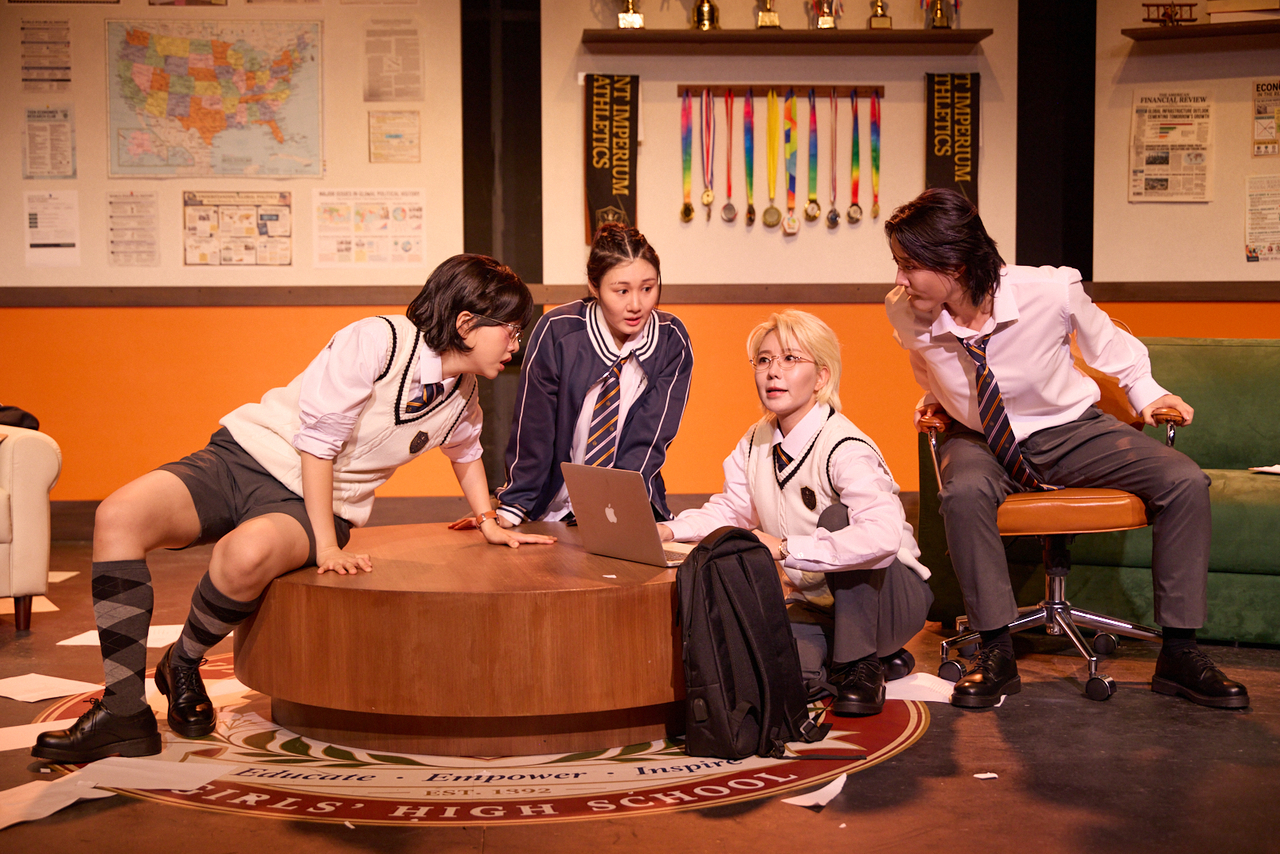
The boys on the undefeated debating team at an elite private school in Emmanuelle Mattana's play know how to win an argument.
An hour before the final round, they are handed the proposition they must argue in favor of: "That feminism has failed women." They panic.
But with just one more victory standing between them and a bright, promising future, the boys are not about to give up their winning streak. They scramble to construct persuasive arguments, just as a sexual assault allegation against one of the team members surfaces on Instagram, throwing their carefully rehearsed arguments into disarray.
The gap between knowing the right words and doing the right thing lies at the heart of "Trophy Boys," the Australian playwright's dark comedy about privilege, misogyny and toxic masculinity.
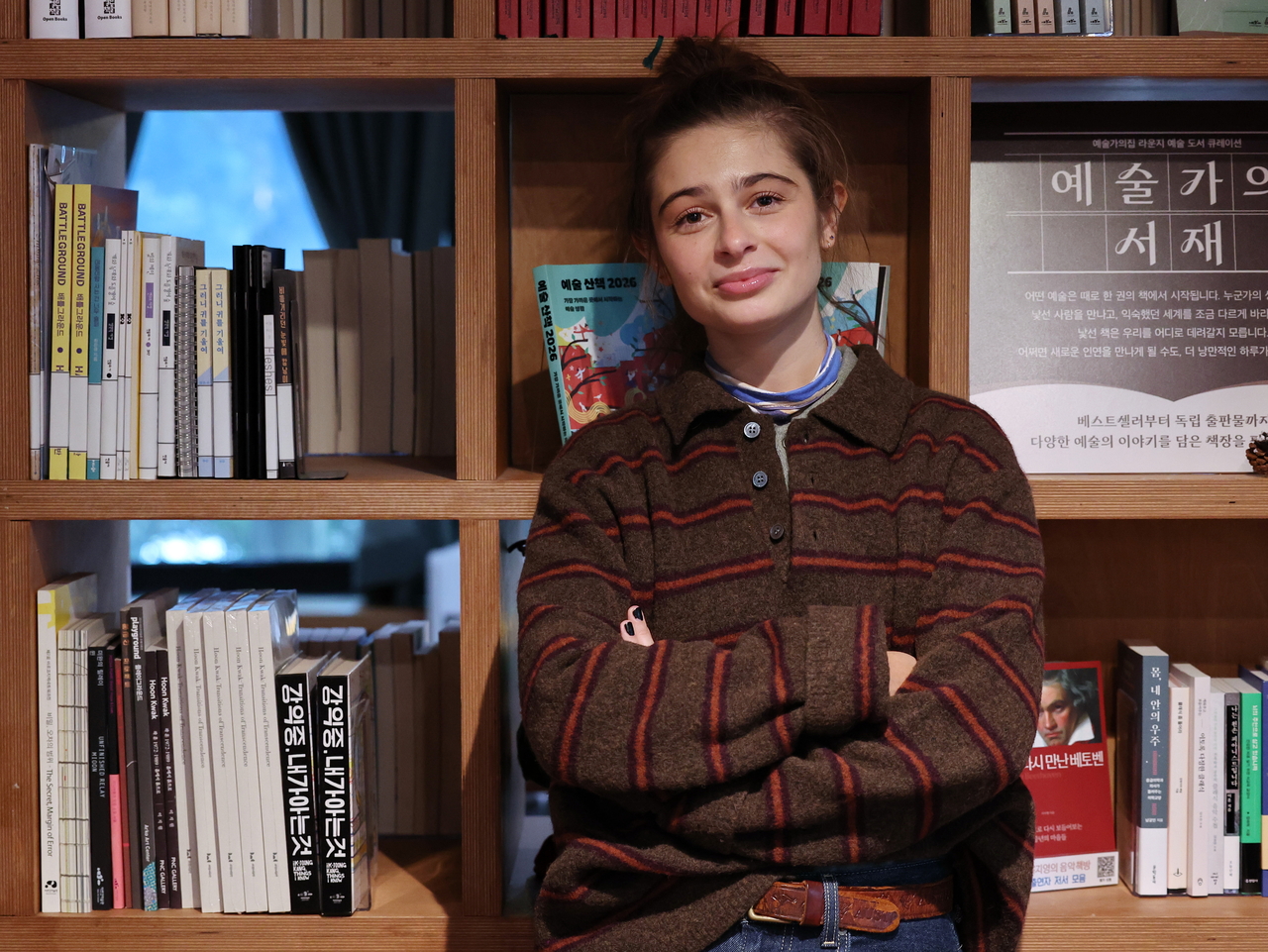
For Mattana, the story grew out of a world she knew well. She was a high-school debater herself but abandoned the activity soon after graduating to pursue a career in the arts. Years later, a high-profile MeToo case in Australia involving a historical allegation dating back to a debating tournament in the 1980s prompted her to revisit that experience.
"I wasn't expecting to feel the way I did about it," she said in an interview with The Korea Herald in Seoul on Monday. She felt compelled to make a piece of theater that reflected on her own experiences and questioned "the way we were raising our young boys. From high-school debaters to the highest offices of power and politics in the country."
She sees the debating room as a miniature version of the political arena, where the ability to dominate an argument can matter more than the pursuit of truth. Debating, she noted, often leads young people toward careers in law and politics.
"We'd joke, 'We're going to know the next prime minister. How funny is that?'" she recalled. "But when the case happened, that was the real flip. Suddenly, it wasn't funny anymore."
The experience prompted a question that became central to the play: "What do we allow boys to get away with before they become men?"
Mattana is particularly interested in the disconnect between intellectual ability and personal conduct. The boys are articulate and know how to make convincing arguments, but their command of language does not necessarily translate into empathy or self-awareness.
"These are boys who are much more interested in winning and saying the right thing to win, rather than having that necessarily reflect their behavior," she said. "I was really interested in how being taught to debate for power, as opposed to truth or compassion, shapes the way they then go on to lead."
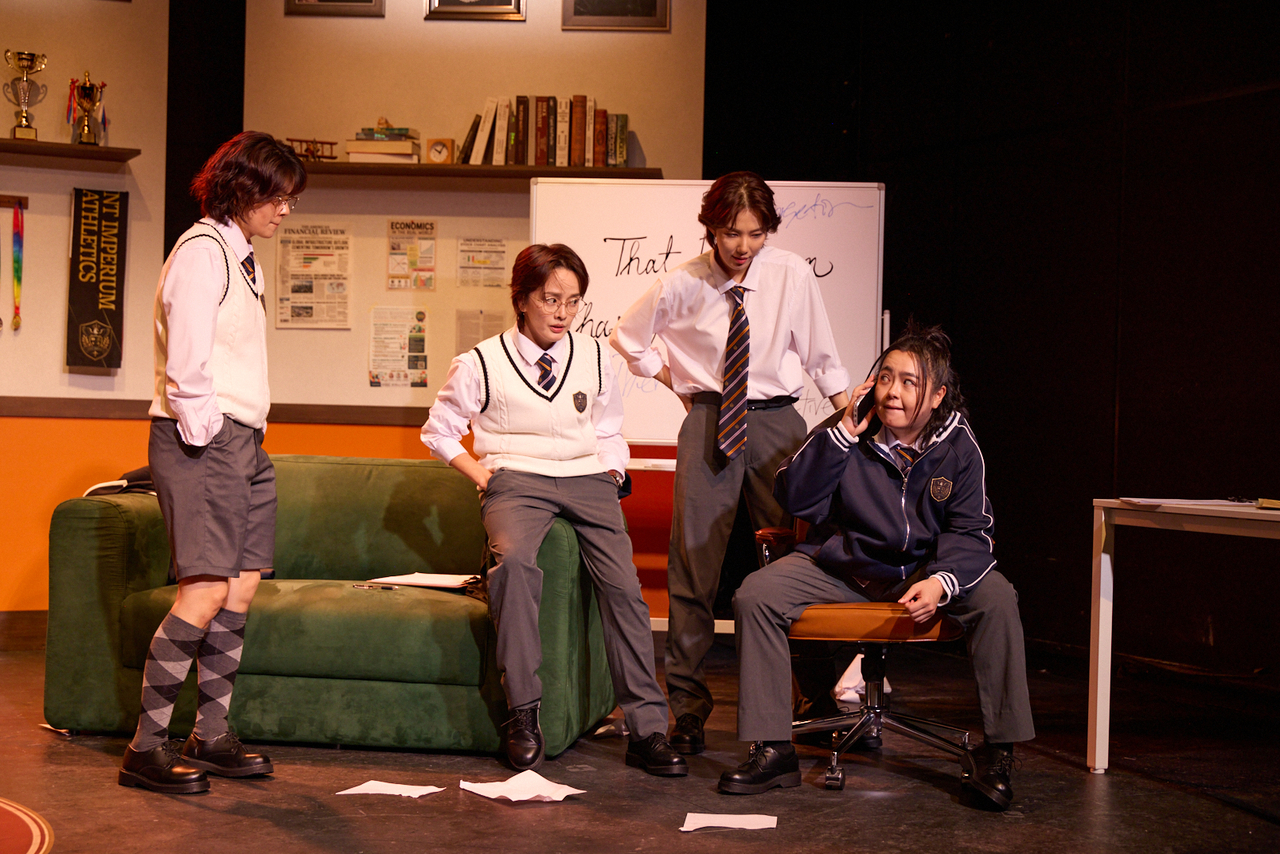
Despite tackling weighty questions, the play is also a comedy. One of its most distinctive features is that all four teenage boys are played by women in drag.
Mattana was drawn to the theatrical possibilities of having women perform teenage boys. As an actor, she herself played Owen, one of the boys, in the play's original production.
"We get to do things onstage that we often don't ever get the chance to do as women — be loud and messy and silly and big and gross."
The humor, however, serves a more serious purpose. By presenting masculinity as something that can be performed, she hopes audiences will question behaviors often dismissed with "boys will be boys."
"Hopefully, we can use that comedy to question much bigger things. I suppose that's the effect of drag for me. We're so used to seeing men behave wild and thinking that's just the way they are, rather than recognizing that they've been socialized and taught to behave in a specific way."
But Mattana is careful not to portray the play as an attack on men. She is equally interested in the insecurities and expectations that shape the boys as they transition into adulthood; they are also victims of patriarchy.
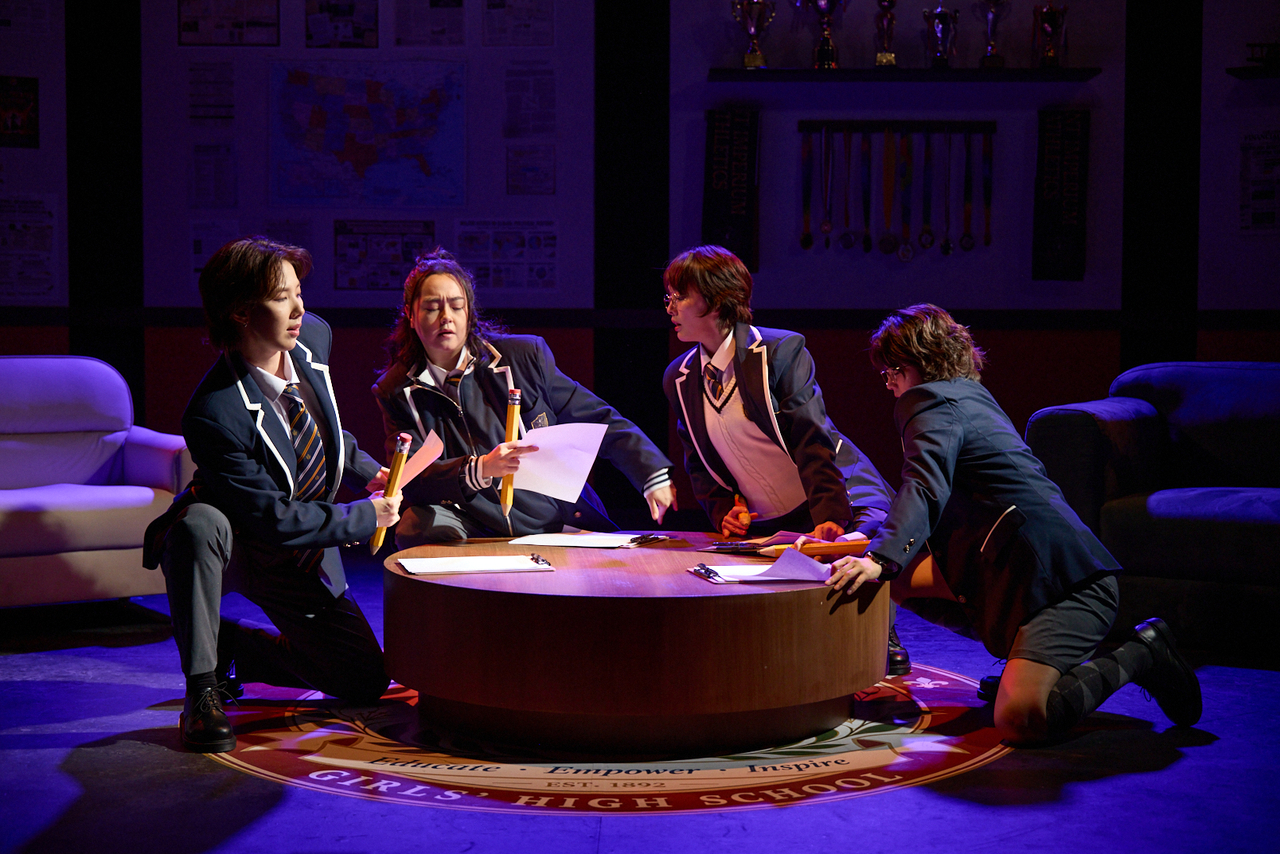
The play, which premiered in Melbourne in 2022 and was staged in New York in 2025, is now making its Korean premiere — its first production in a language other than English.
Mattana hopes it will encourage conversations that go beyond familiar debates about feminism.
"I think we need to have more rigorous conversations," she said. "Hopefully, the space that the play goes into isn't just about feminism, but about gender more fully."
"Trophy Boys" runs through Dec. 6.
hwangdh@heraldcorp.com