For Peter Giuliano, senior adviser at the Specialty Coffee Association, the answer lies not in the cup, but in the connections it creates
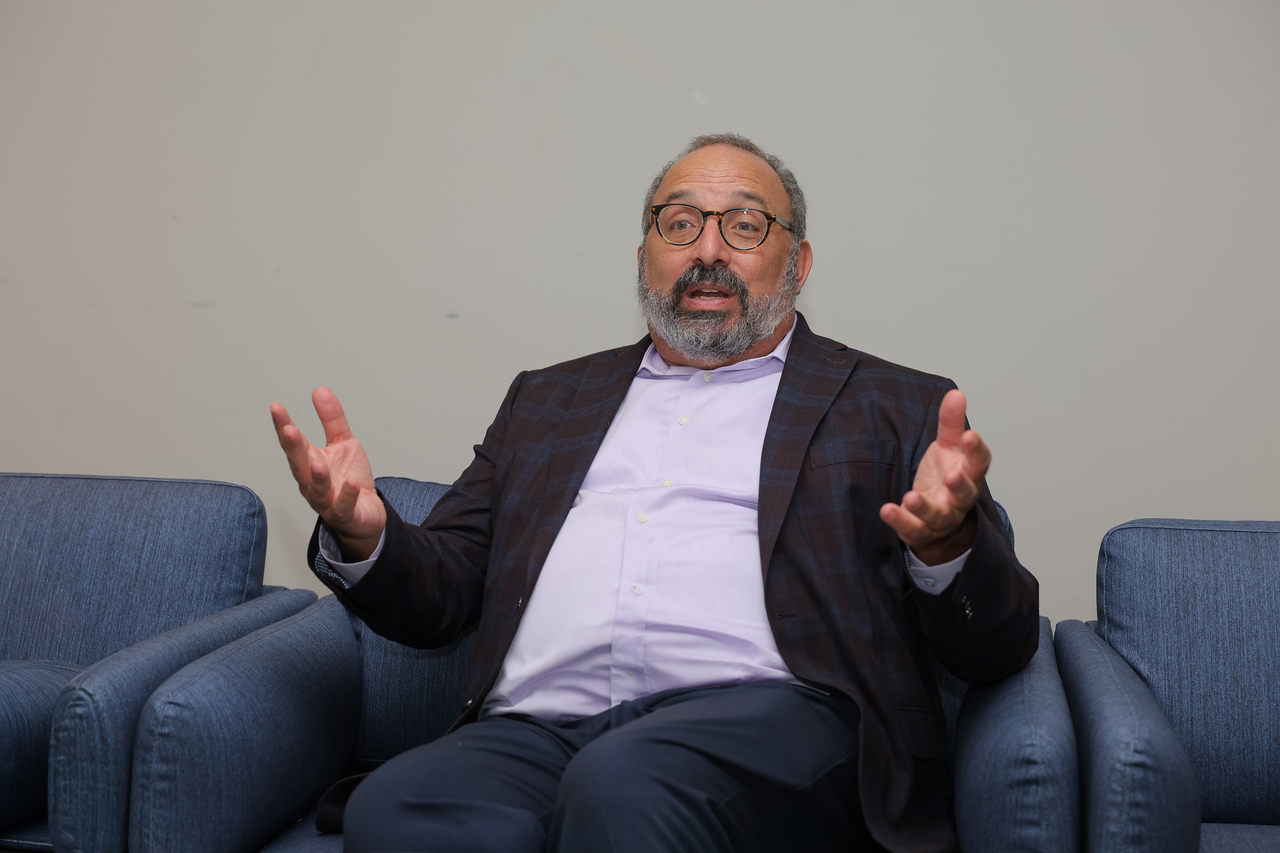
Peter Giuliano's earliest memories of coffee are closely tied to his grandfather. Growing up in an Italian immigrant household in the US, Giuliano remembers his grandfather crumbling Italian biscotti and pouring coffee and milk over them.
For the young boy, a taste of coffee was a small treat that made him feel grown-up and brought him closer to his grandparents. Years later, that personal connection would lead him into a career spanning nearly four decades in the coffee industry.
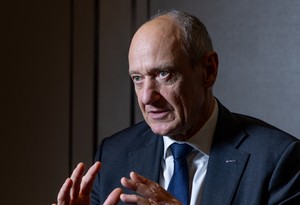
"It started because of a personal connection with my grandfather," Giuliano said during an interview with The Korea Herald at Coex in Seoul on Thursday. "Even though now I love the flavor of coffee and I love the stimulation it gives me, the real reason I drink coffee is to connect with people and to spend time with the people enjoying coffee together."
He was 18 when he began working at his regular coffeehouse, after its manager asked him to fill in for a staff member. From there, he went on to serve coffee to customers, manage coffee shops, establish a roasting company, work as a coffee buyer and roaster, and travel around the world to drink coffee. Now, as a senior adviser at the Specialty Coffee Association, he works in scientific research and communications in the coffee industry.
Looking back on his career, Giuliano said one of the elements he values the most about coffee is the community it has brought him into.
He calls it a "tribe." Despite working for different companies, people in the coffee community have a lot in common: They love the flavors, the people and serving coffee.
"I have friends in Korea and friends in Japan and friends in Indonesia and friends in Mexico, and friends in all these places," he said. "It's coffee that connects us all, and that's really what my job is about."
For Giuliano, in addition to the tradition of people being social while drinking coffee in shops, the beverage itself encourages interaction.
"The more you drink, the more talkative you get. It makes shy people gregarious. It's natural," he said.
That social function has remained through changes in how coffee is produced and consumed. Trends change in what people like and how people drink it, but the social connection that grows remains unchanged.
The COVID-19 pandemic, which kept people apart, ultimately underscored the value of meeting in person, Giuliano said. During quarantine, many people brought coffee equipment into their homes to make drinks, even coming up with creative recipes such as dalgona coffee, a Korean-style whipped coffee served over milk. Still, they all returned to coffeehouses when restrictions were lifted.
"In fact, in the countries where COVID-19 hit, where the shutdowns were the worst, the return to the coffee houses was the strongest," he said. "Because people, we are social. We cannot help it. We need to be with each other, and coffee is just a thing to do that."
The demand for such physical experiences becomes even more important in an era where people spend more of their lives interacting through screens and digital technology.
"I think those kinds of actual physical experiences are going to be more and more valuable," he said.
Research by the SCA into coffee consumption across cultures also reflects the range of roles the beverage plays in people's lives. In its consumer study, respondents' motivations included energy and focus, comfort and care, sensory enjoyment, appreciation of flavor, as well as nostalgia and rituals.
South Korean respondents showed particularly strong associations with energy and focus, followed by gathering and connection, then comfort and care.
Giuliano sees Korea's relatively short coffee history as one reason for the market's distinctive character. Unlike countries where coffee traditions have been passed down through generations, Korea's coffee culture remains new and experimental, he said, pointing to examples of blending banana or durian flavors into espresso.
"What I see in the Korean specialty coffee markets is lots of creativity, experimentation with maybe different coffee preparation styles, different flavors, etc.," he said. "That sort of breaking with tradition is very difficult to do in Europe or the United States, but here it seems to happen naturally."
The scale of Korea's coffee market reflects how deeply coffee has become embedded in everyday life. Koreans consumed an average of 416 cups of coffee per person in 2024, according to Euromonitor data. The country's coffee imports reached a record $1.86 billion in 2025, up 35 percent from the previous year, according to the Korea Agro-Fisheries & Food Trade Corporation.
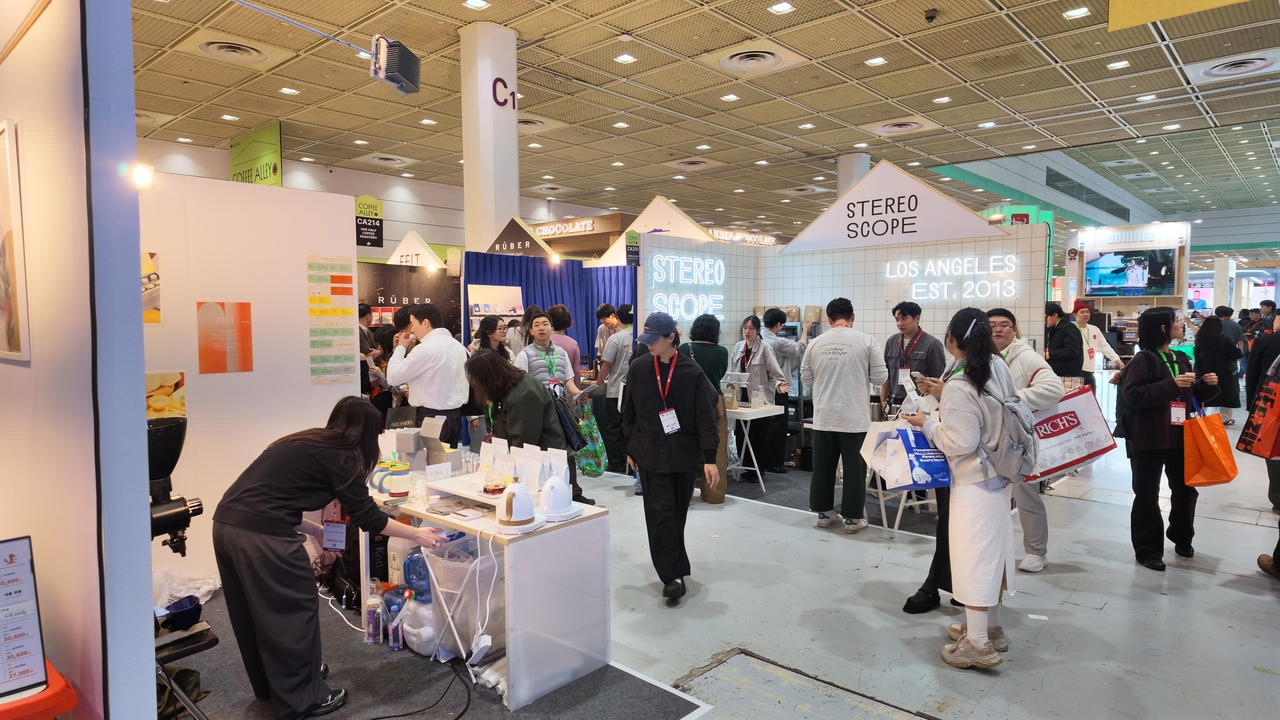
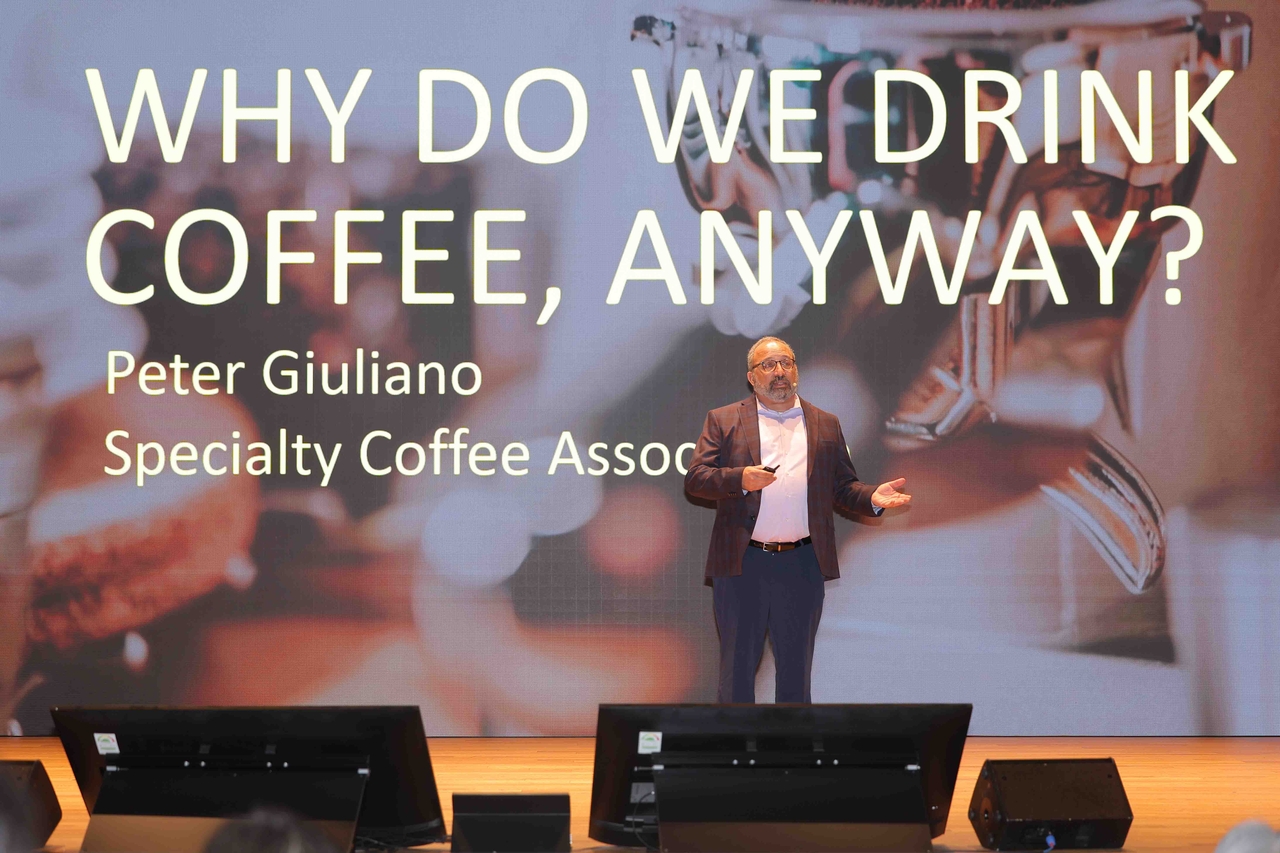
This year, the 2026 World Coffee Forum explored how coffee has become a daily routine beyond taste and its role in creating space and connection across cultures. The forum was held last week at Coex in Gangnam-gu, Seoul, alongside the 25th Seoul International Cafe Show, an exhibition which brought together over 3,903 brands from 35 countries on cafe and coffee culture.
In its expansion, Giuliano sees further room for both commodity coffee and specialty coffee, with each offering a variety of roles in everyday life.
"They will do the maintenance coffee in the morning and then maybe in the afternoon, when they are meeting a friend for coffee, that's when they will do the better quality stuff," he said.
It's about the experience, he emphasized, advising against becoming too focused on finding a single best coffee. Rather than pursuing one ideal cup, he encourages people to explore different beans, styles, and cultures both in and outside the local region.
"As somebody who worked in specialty coffee for decades, there is not one best coffee in the world," he said. "There are hundreds of best coffees in the world because you have a lot of people in the coffee tribe that are trying to make the best coffee that they can."
Finding them and trying to figure out what makes people passionate about their coffee will offer the best experience for exploring the world, he said.
"Have coffee with a friend and see how they like coffee. Enjoy the diversity of coffee experiences."
mjcha@heraldcorp.com