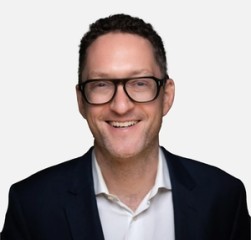
Steve Mann says exams should be refined to assess how people perform in the real world
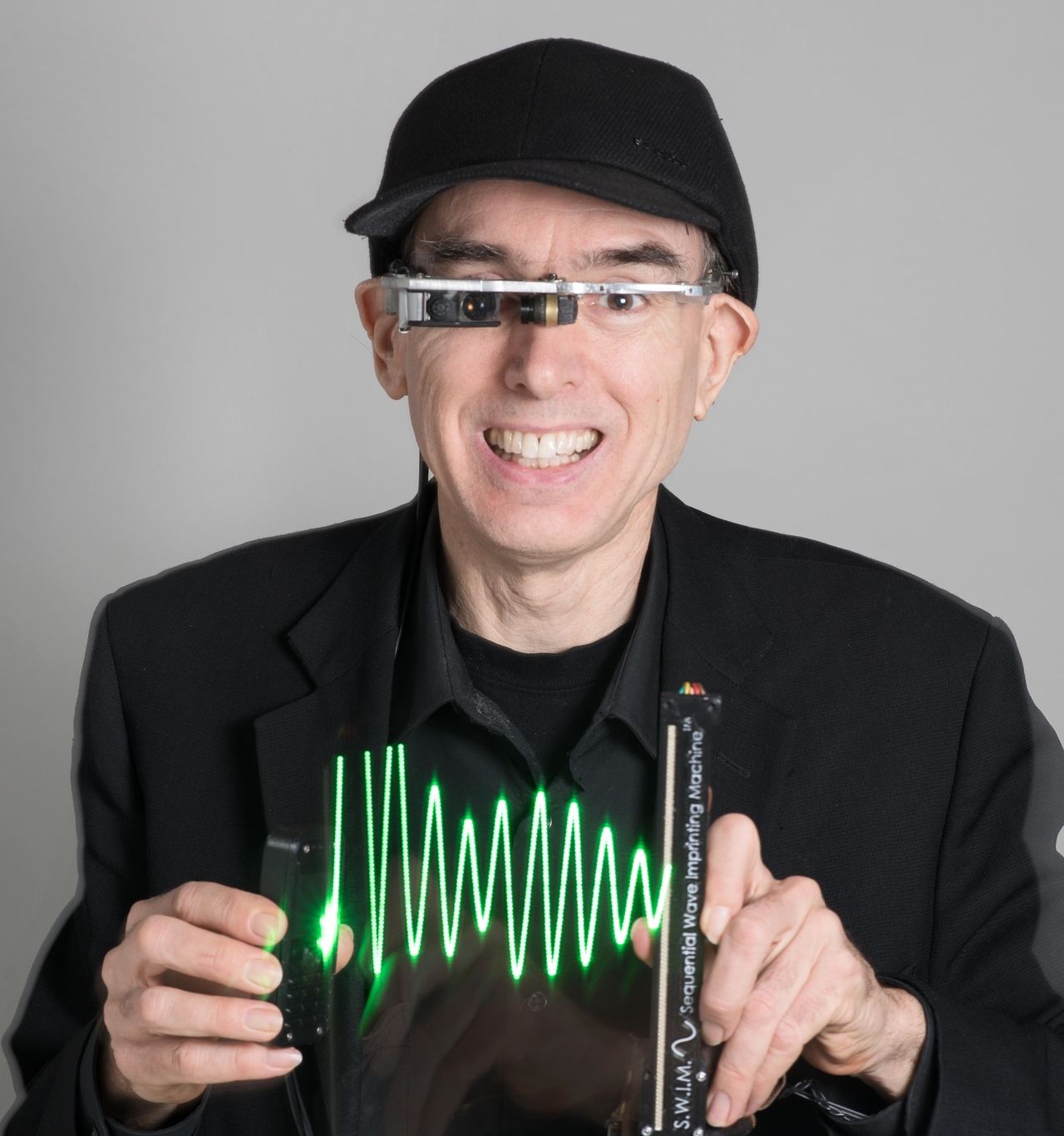
When Steve Mann built an early version of smart glasses as a student in 1978, people around him asked whether the device would help him on exams.
Nearly five decades later, as South Korea tightens checks for smart glasses ahead of Thursday’s national college entrance exam, Mann is asking what exams should measure.
"I think we should change the way that exams work because, you see, an exam is your test of how you can function in the real world," Mann told The Korea Herald on Wednesday.
Under Education Ministry rules for the College Scholastic Ability Test, known as Suneung, wearing or using smart glasses during the exam invalidates a candidate’s results and bars them from taking the test the following year.
Candidates found carrying the glasses after failing to hand them in before the first session have their results invalidated.
Mann, a professor of electrical and computer engineering at the University of Toronto known as the “father of wearable computing,” drew a parallel with calculators.
He recalled that using one on an exam was considered cheating when he was growing up. As calculators became part of everyday life, he said, exams adapted.
The same reasoning, in his view, applies to smart glasses. If people use a tool in their daily lives, he said, assessments should reflect what they can do with it. And as technology takes over tasks people once performed unaided, exams should reconsider which abilities they measure.
"An intelligence test has to test true intelligence, not just clerical memorization," he said.
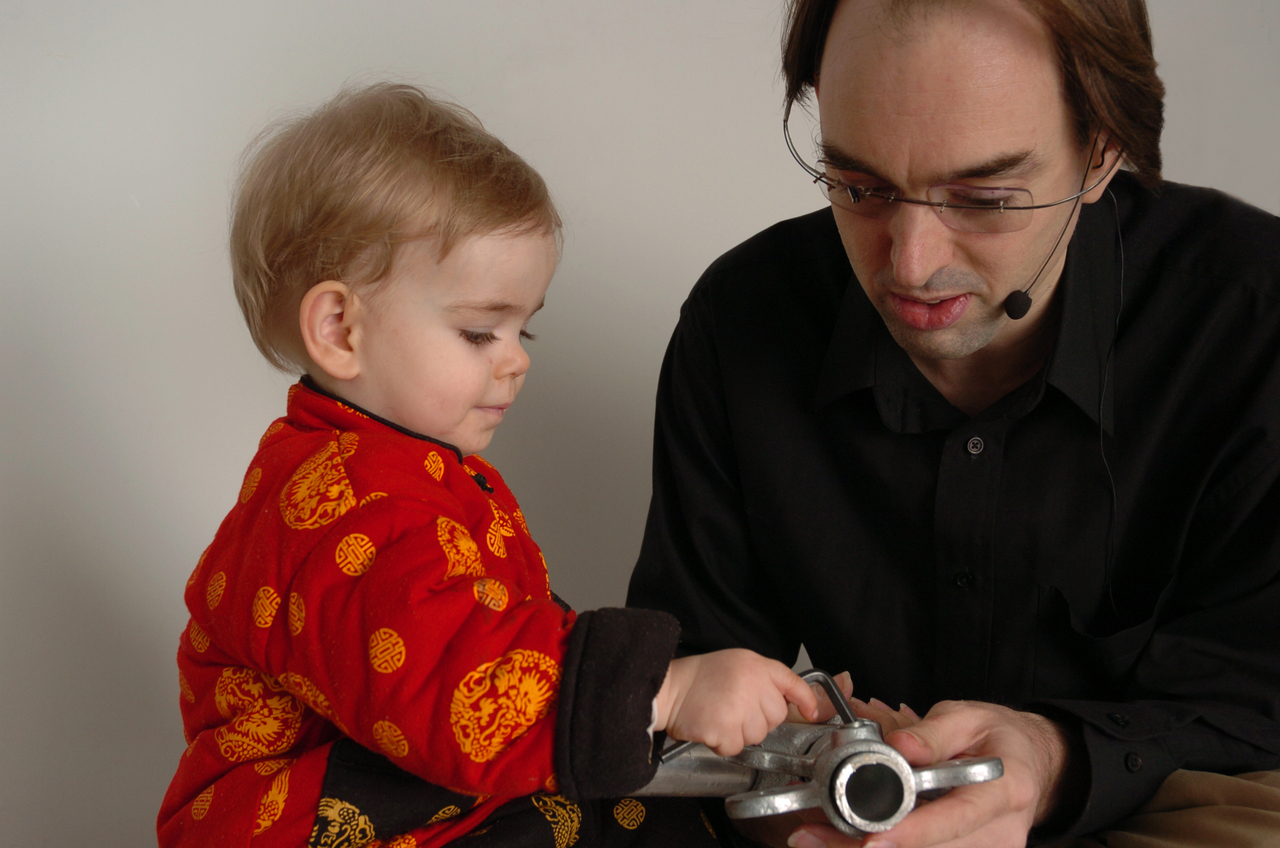
What was smart eyewear originally designed for?
Mann said he originally developed wearable computers as visual aids to help him see and understand his surroundings.
When asked about glasses supplying answers during exams, Mann, who has developed his own internet-connected wearables, first wanted to know whether the devices were connected to the internet.
"So it sounds like your problem is people accessing the internet during exams," he said, suggesting that restricting network access could help prevent cheating.
He argued that people who depend on assistive technology should be able to use the devices they rely on in everyday life during exams.
Mann said he had worn his own technology for 48 years and regarded it as part of his body. He said he had even worn it in his passport photo.
Asked whether smart glasses should look different from ordinary eyewear while testing systems adapt, Mann said the design choice should ultimately belong to the wearer.
He argued that even temporary restrictions could infringe on a person's rights.
"Temporary suspension of human rights is no more acceptable than a permanent one," he said.
"I think people should have the freedom, especially people with disabilities, should have the freedom to be as they are, to come as they are."
shwang9@heraldcorp.com