The Korean National Commission for UNESCO has equipped Ghanaian heritage managers with advanced conservation technologies to protect centuries-old slave-trade forts from climate-related threats
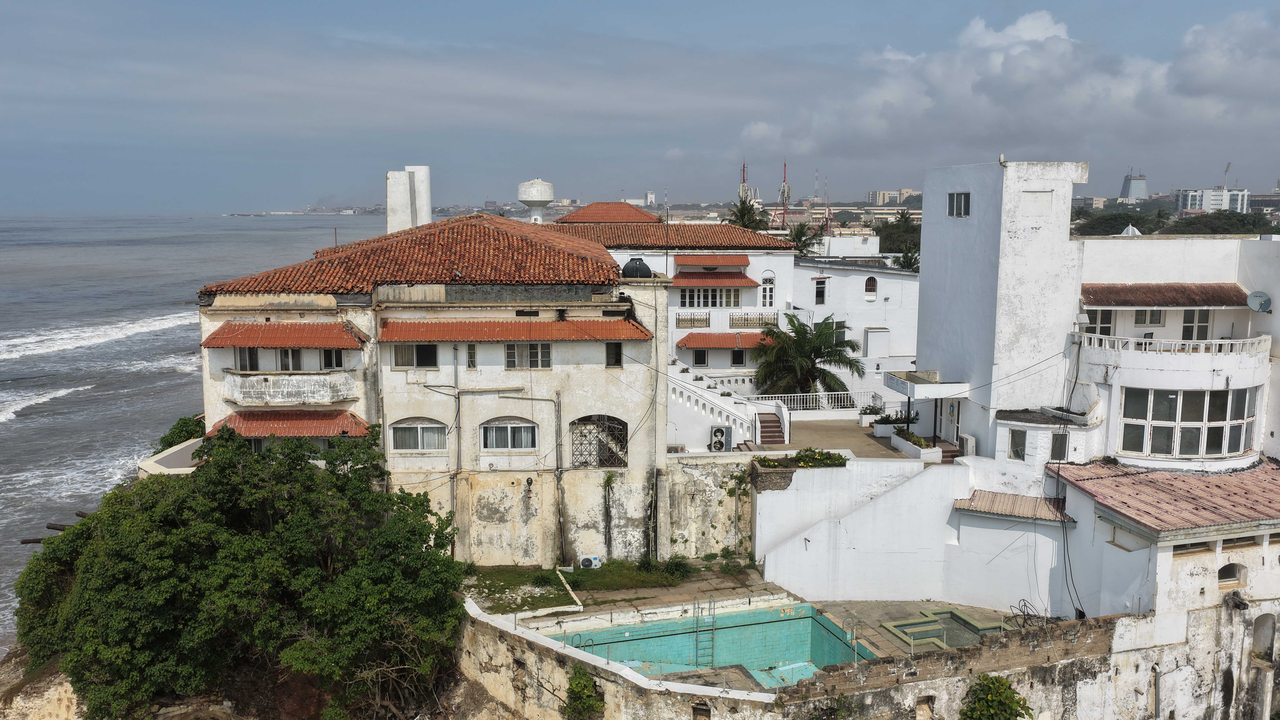
Sections of two centuries-old forts in Ghana have collapsed in recent months, highlighting the growing threats of climate change to historic coastal fortifications that once served as centers of the transatlantic slave trade, according to a senior Ghanaian heritage official.
Benjamin Kofi Afagbegee, head of monuments at the Ghana Museums and Monuments Board, said sections of the battlements at James Fort and Fort Good Hope had collapsed over the past three to four months.
"The biggest threat I'm seeing now is climate impact and also structural deterioration at the site," Afagbegee told The Korea Herald in an interview in Seoul.
Ghana's 28 historic forts and castles, recognized collectively as a UNESCO World Heritage site, are among the most significant surviving monuments associated with the transatlantic slave trade.
Stretching approximately 500 kilometers along the country's coastline, the structures face growing environmental pressures, including coastal erosion, rising sea levels, salt exposure and increasingly intense rainfall.
Now, Ghana is working with South Korea to introduce advanced scientific monitoring technologies and strengthen its long-term conservation capabilities.
Afagbegee is among six Ghanaian heritage managers undergoing a seven-week training program in Korea as part of a five-year development cooperation initiative led by the Korea Heritage Service in partnership with the Korean National Commission for UNESCO.
Running 2026-2030, the project initially targets six forts and castles in Ghana's Greater Accra region, combining climate risk assessments, scientific monitoring, digital documentation and professional training.
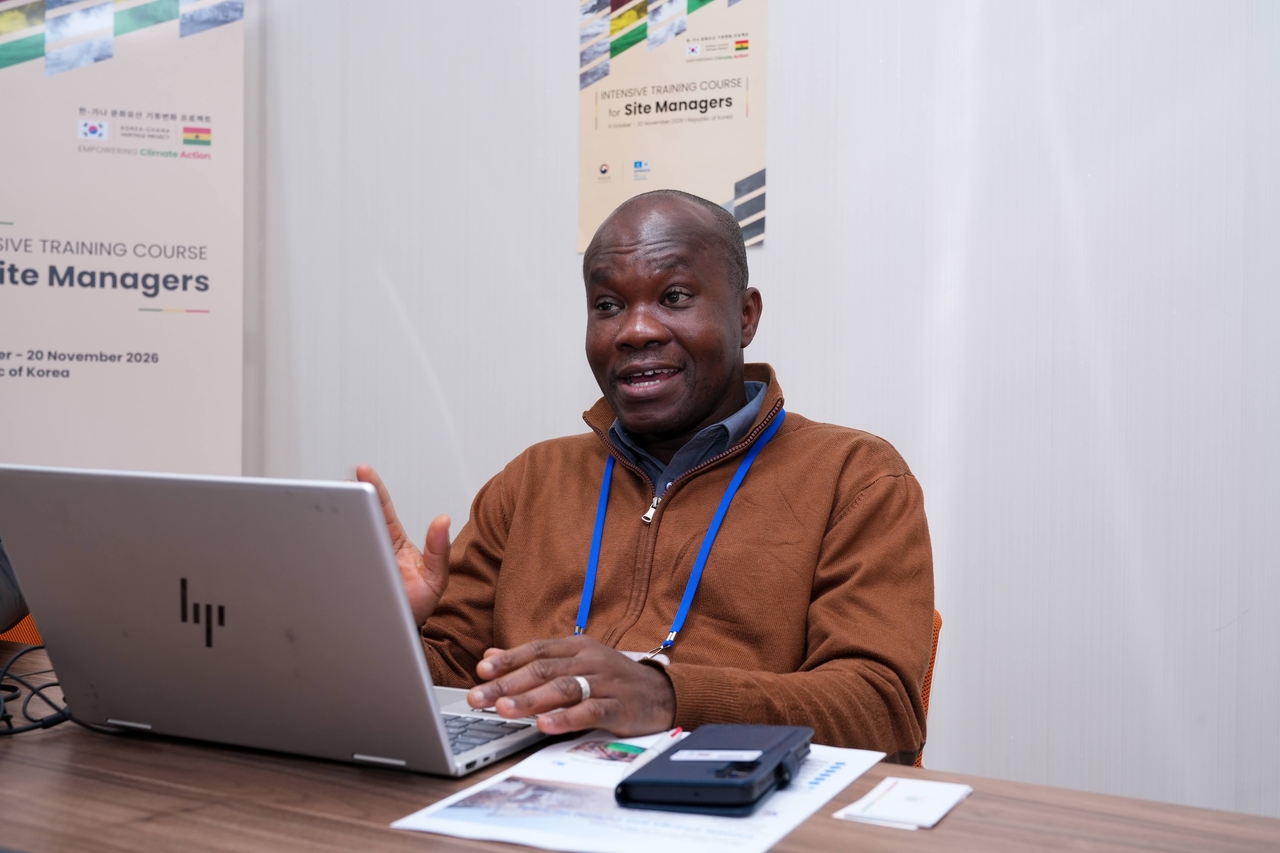
For Afagbegee, who has worked in heritage conservation for 15 years, the initiative represents an important step toward integrating scientific evidence into conservation decisions. He said the Korean approach emphasizes understanding how historic structures respond to environmental changes before determining the most appropriate preservation measures.
"The approach is not simply to repair a damaged monument, but to understand how the building is performing, identify the causes of deterioration, monitor changes and use the evidence to determine the appropriate response," he said.
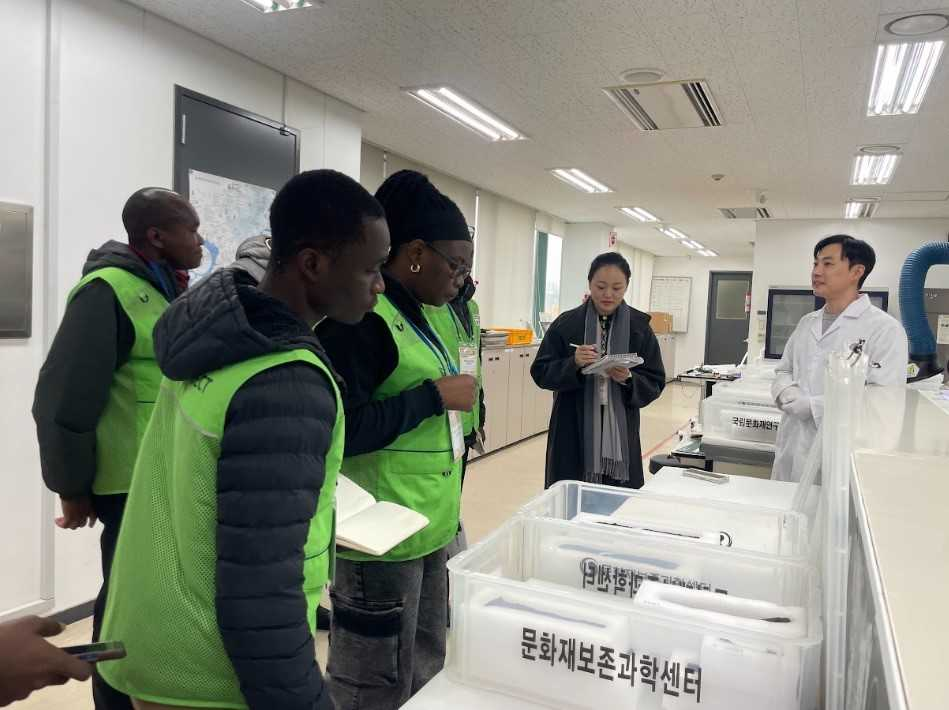
During their training, the Ghanaian officials have studied ultrasonic testing to assess historic masonry, thermal imaging to identify potential moisture-related problems, and geographic information systems to map structural conditions and environmental risks.
They have also received practical training in 3D scanning, drone-based photogrammetry and other non-destructive diagnostic techniques that could help conservation specialists identify vulnerabilities without damaging historic structures.
The project has also provided Ghana with scientific equipment, including drones, 3D scanners and thermal imaging cameras, housed in a monitoring center established in August within the Ghana Museums and Monuments Board.
Afagbegee particularly welcomed the combination of technical training, equipment and continued professional cooperation, which he said would enable Ghanaian specialists to apply their newly acquired expertise directly at heritage sites.
"This is the most instrumental package we have gotten since I got employed in the institution," he said.
Beyond the technical training, the Ghanaian delegation visited several Korean UNESCO World Heritage sites, including Changdeokgung Palace, Jongmyo Shrine and Namhansanseong Fortress, to examine how Korea integrates scientific research, documentation and heritage management.
Afagbegee said he was particularly impressed by Korea's institutional cooperation among universities, research organizations, heritage authorities and site managers.
He also drew parallels between Korea's historic military fortifications and Ghana's coastal forts, saying the visits offered new perspectives on interpreting their architectural and military significance.
Looking ahead, Ghana plans to establish a comprehensive conservation database documenting the condition, maintenance history and environmental risks of its historic forts and castles.
The system would support regular inspections, preventive maintenance and early intervention, while helping conservation authorities prioritize preservation work based on scientific evidence.
Afagbegee said the six pilot sites would serve as a foundation for a broader monitoring framework that could eventually be extended to other cultural heritage sites across Ghana.
The significance of these conservation efforts extends far beyond preserving historic architecture.
Built along Ghana's coastline between the 15th and 18th centuries, the forts and castles initially served as trading posts before many became major centers of the transatlantic slave trade.
Inscribed on UNESCO's World Heritage List in 1979, they remain enduring witnesses to a period of history that profoundly shaped Africa and the wider world.
Today, the monuments also serve as places of remembrance and reconciliation, drawing descendants of enslaved Africans who return to trace their ancestral histories.
Afagbegee described how visitors participate in commemorative ceremonies, lay wreaths and retrace the journeys of their ancestors through the forts' historic passages.
"To some people it's a place of healing because a lot of people feel lost," he said.
Preserving these places, he added, provides an opportunity for future generations to understand that history and reconnect with their roots.
For Afagbegee, success by 2030 would mean establishing a sustainable, Ghana-led conservation system supported by trained specialists, reliable monitoring data and practical climate adaptation measures.
He hopes the partnership with Korea will not only strengthen the protection of Ghana's historic forts and castles but also provide a foundation for broader international cooperation in safeguarding cultural heritage against climate change.
seungku99@heraldcorp.com