Tschoe outlines recruitment reforms, expanded AI training and a shift toward human judgment as technology takes over routine administrative work
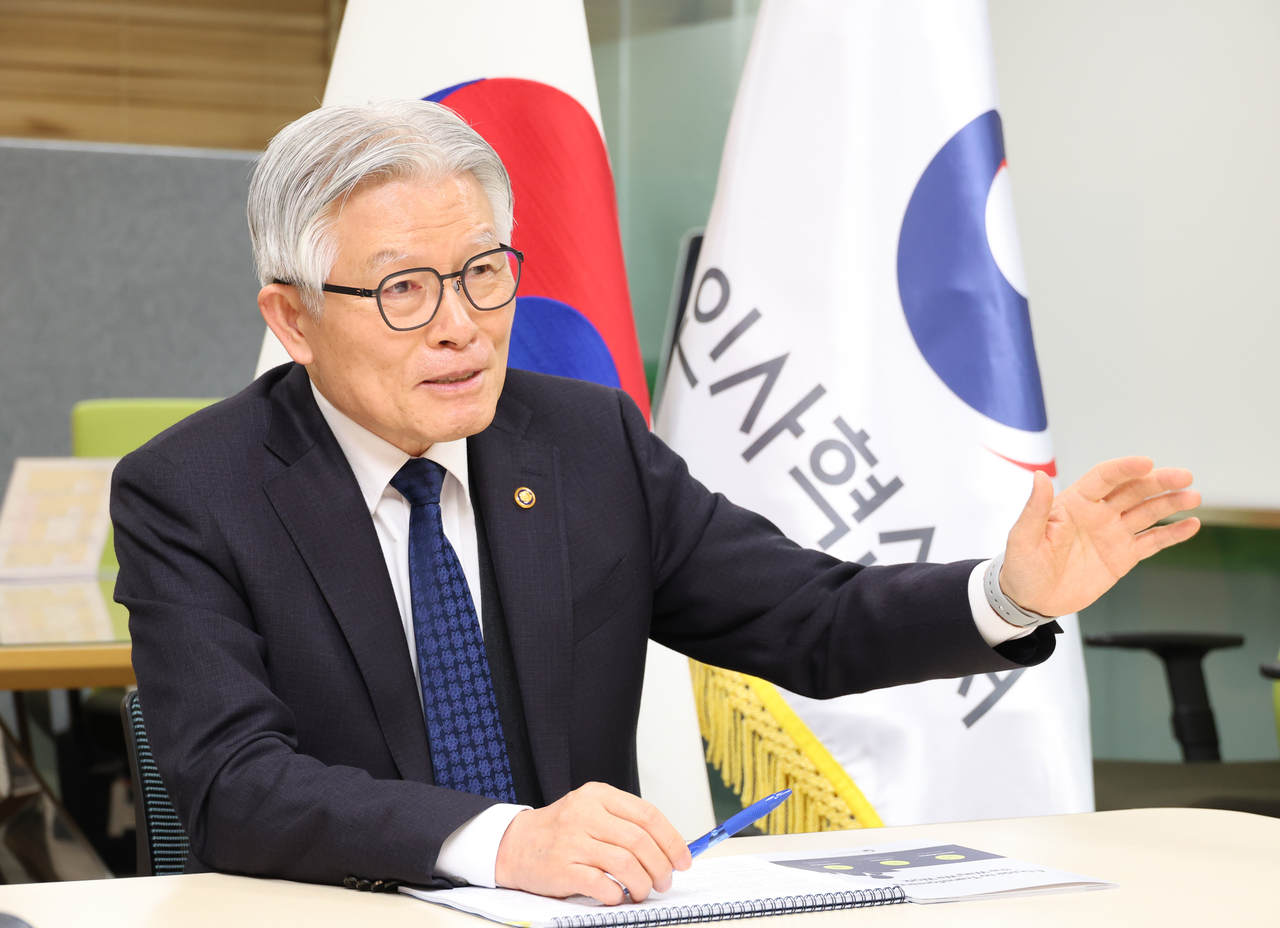
As artificial intelligence takes over routine administrative tasks, civil servants will increasingly be expected to exercise independent judgment, solve complex problems and engage with the public.
These changes have prompted South Korea's government to rethink how it recruits, trains and evaluates its workforce, the country's top personnel management official said.
"The next 10 years will be a period of fundamental change in the roles of public officials and the way the civil service operates, driven by the rapid advancement of AI and other technologies," Minister of Personnel Management Tschoe Dong-seok said in a written interview with The Korea Herald.
"As AI takes over simple and repetitive tasks, public officials will be able to concentrate more on roles that only humans can perform, such as policy judgment, solving complex problems and communicating with the public."
Central to that transition is an overhaul of the country's civil service recruitment system, which placed considerable emphasis on knowledge-based examinations.
The Ministry of Personnel Management plans to expand the Public Service Aptitude Test, currently used for Grade 5 and Grade 7 recruitment, to Grade 9 examinations by 2029, Tschoe said.
The new assessment is designed to evaluate logical reasoning, data analysis and decision-making abilities rather than primarily testing memorized knowledge.
The government also plans to introduce the assessment to local government Grade 7 recruitment in 2027 and firefighter officer candidate examinations in 2028, while encouraging broader adoption across public institutions.
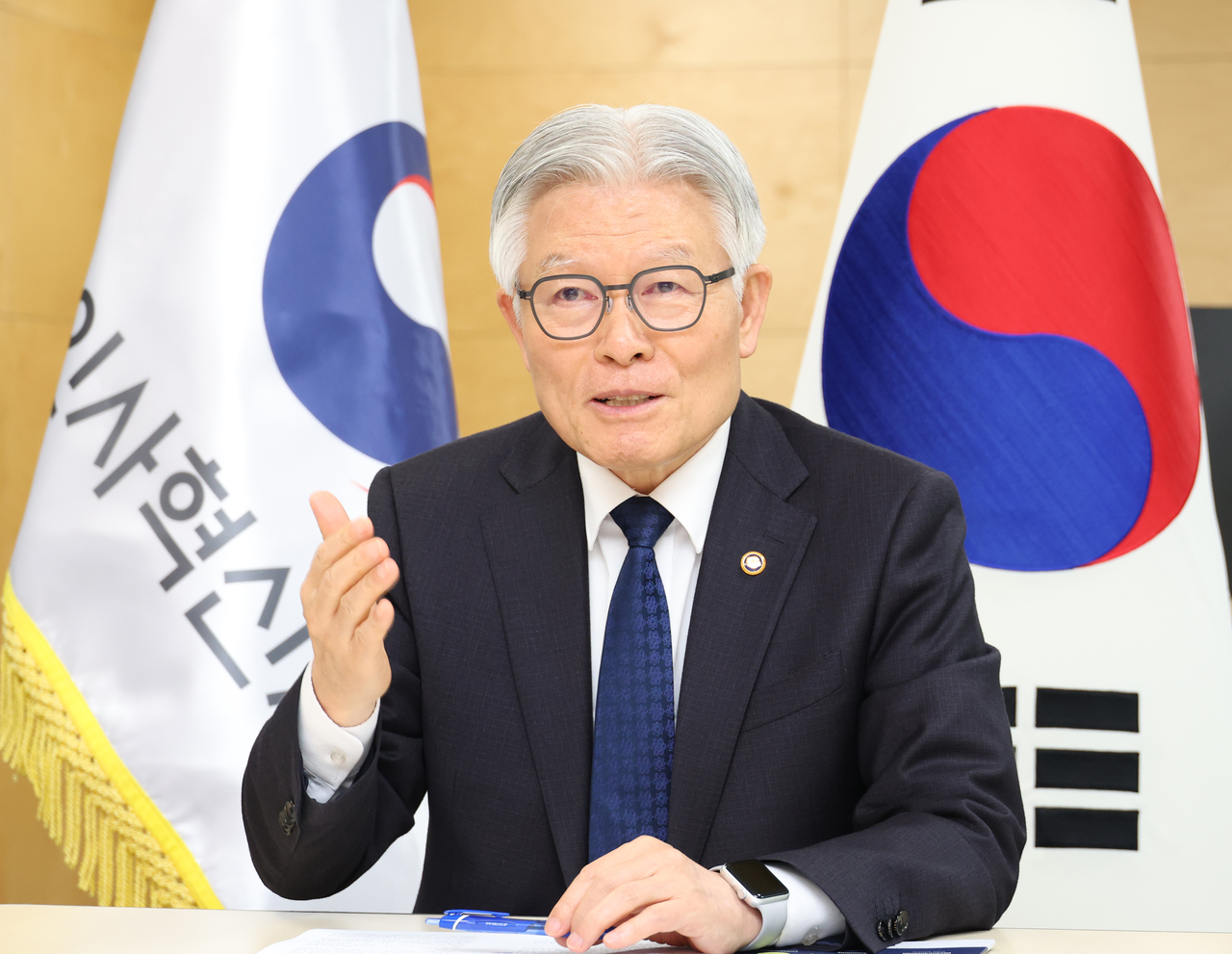
Tschoe said attracting young talent would also require improvements in compensation. The ministry is pursuing additional pay increases for junior officials in Grades 7 through 9 and discussing further improvements with fiscal authorities. The aim is to bring starting salaries for Grade 9 officials to approximately 3 million won ($2,250), including allowances, in 2027.
The government is also seeking to recruit more specialists in AI and information technology. For specialized positions in those fields, it already offers special salary arrangements that allow compensation comparable to private-sector levels.
The ministry is expanding AI-related hiring to include computer systems development and data.
The ministry is also strengthening AI training for existing public officials. All civil servants are now required to complete at least two hours of AI training annually, supported by a government learning platform that integrates educational resources from public and private providers.
The ministry also plans to expand practical training that enables officials to identify workplace problems and develop solutions using AI, alongside specialized programs for managers responsible for leading organizational transformation.
Tschoe emphasized that adapting to technological change would require more than simply introducing new tools.
Government workplace culture must also move away from hierarchical management toward greater autonomy, professionalism and collaboration, he said.
The ministry seeks to modernize performance evaluations. In October, it introduced a continuous performance management system across government ministries, allowing supervisors and employees to regularly review work progress and document individual contributions.
Tschoe said the changes would improve transparency in evaluations and ensure that civil servants working in demanding fields, including disaster response and public safety, receive greater recognition for their contributions.
Tschoe's remarks came as Korea hosted the fourth annual meeting of the Asia Public Service Network in Seoul on Wednesday, bringing together representatives from 14 countries and the Organization for Economic Cooperation and Development to discuss the future of public administration.
Held under the theme "Leadership for Transformation," the conference focused on organizational reform, performance management and building a workforce capable of adapting to emerging technologies.
Among the findings scheduled to be shared at the conference were those of a joint study South Korea and the OECD conducted from 2025 to 2026 on how participating countries use digital technologies to recruit civil servants. Further joint research and exchanges are planned.
"The ultimate goal of reforming how the civil service works is not simply to improve efficiency," Tschoe said. "It is to enable public officials to focus on policy judgment and problem-solving for citizens and provide better public services."
seungku99@heraldcorp.com