33 years after its debut, AI cheating scandal could hasten Suneung’s proposed phaseout by 2040
A miniature camera, a smartphone and generative artificial intelligence were enough to earn the highest score on South Korea’s national tax accountant exam, according to the man who says he cheated his way to the top.
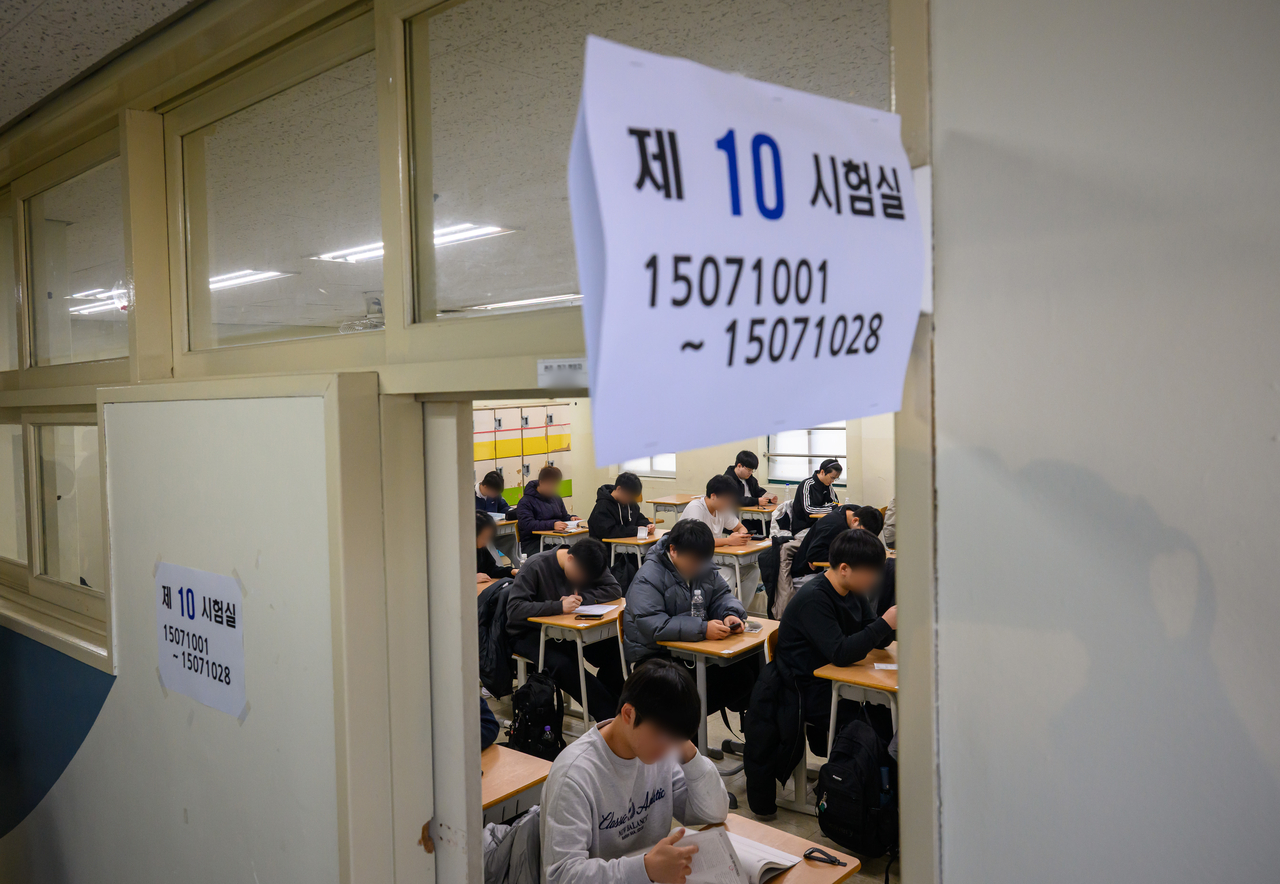
His account put the country’s most consequential exam on the defensive as more than half a million people prepared to sit for the Suneung on Thursday.
The government pledged zero tolerance for cheating on the College Scholastic Ability Test, or Suneung, but keeping unauthorized devices out of exam rooms addresses only the immediate problem.
The scandal has sharpened a debate over what the Suneung tells universities about applicants’ abilities when AI can answer the same questions.
Scandal reaches beyond one exam
Top-scorer Han Won-seok’s account widened concerns that had initially focused on AI-powered glasses. He said he had obtained answers from generative AI using a small camera and a phone, raising the prospect that test-takers could cheat without specialized wearable devices.
Unverified claims of AI-assisted cheating have also surfaced online. One person claimed to have used AI to pass the entry exam for Grade 9 civil servants. Another claimed to have scored high enough on the Suneung to get into medical school. Neither claim has been verified.
The government has launched a broader investigation into national qualification exams held this year. The ruling Democratic Party said Monday it would pursue legislation to impose a 10-year ban on test-takers caught cheating with AI.
What written exam can measure
For one of the educators who helped introduce the Suneung in 1993, the controversy also exposes a limitation that predates generative AI.
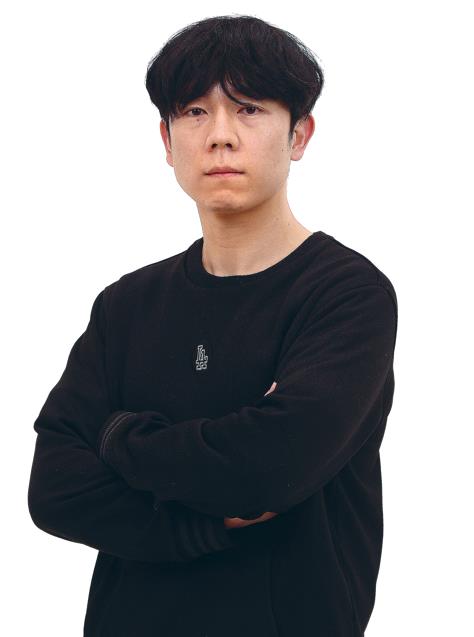
Park Do-soon, who went on to become the first director of the Korea Institute for Curriculum and Evaluation, argues that written exams can assess only a fraction of what students are expected to learn.
The institute develops questions for the Suneung and its mock exams.
Park questioned whether exams should ask questions AI can answer. “A written exam is effective in testing only about one-tenth of the curricular goals,” he said in an interview with OhmyNews.
He said the same limitation applies to the tax accountant exam and the Legal Education Eligibility Test, or LEET, which is used in law school admissions and has also been the subject of allegations of AI-assisted cheating.
Park called for a fundamental overhaul that would give universities primary responsibility for assessing applicants.
In a country where more than 70 percent of high school students go on to higher education, that would put more of the decisions about what to assess and how to assess it in the hands of individual universities.
Cho Byeok, a chair professor at Korea University, has called for abolishing the Suneung. He said students needed to learn only about half of the knowledge now taught from elementary through high school.
He predicted major changes in the education system within five years.
A proposal to phase out Suneung
The Seoul Metropolitan Office of Education had already proposed a timetable for retiring the exam before the latest cheating scandal.
Its December 2025 roadmap calls for changes to begin in 2028, with a greater role for essay-based assessments and the Suneung phased out by the 2040 academic year.
The national government has yet to adopt the plan, and the Seoul education office cannot change the nationwide admissions system on its own.
The proposal puts before policymakers a concrete option. Alongside a timetable for ending the national exam, it calls for giving students more opportunities to show reasoning in writing.
minsikyoon@heraldcorp.com