Mongolian doctors train together in Incheon and draw up transplant guidelines for their hospital back home
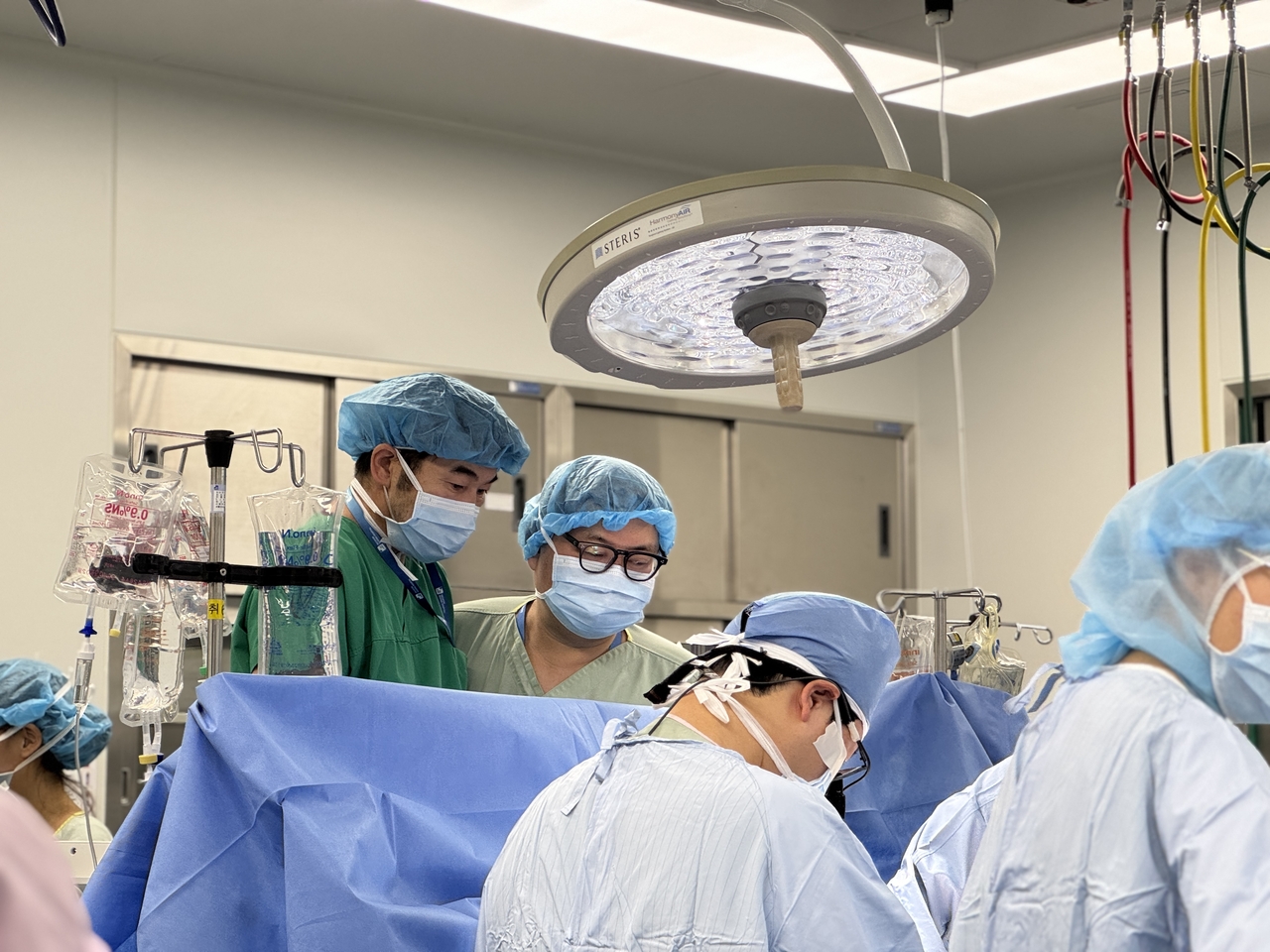
Three Mongolian doctors came to South Korea in early November to learn how to perform an operation never before carried out in their country.
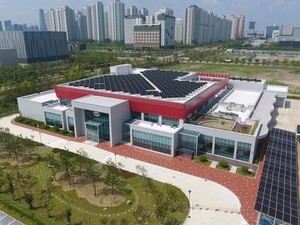
Last week, their plan came to fruition when they witnessed a heart transplant at Incheon Sejong Hospital.
“It seemed impossible. I had little hope or confidence,” said Tsogbadrakh Odgerel, a cardiologist at Mongolia’s Third State Central Hospital in Ulaanbaatar. “But training here, with guidance from Korean doctors, has made me feel it could be possible in our country as well.”
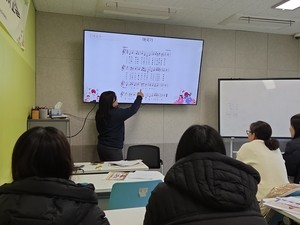
The three doctors are taking part in the Korea-Mongolia Clinical Training Program, run by the Ministry of Health and Welfare and the Korea Health Industry Development Institute from Nov. 2 to 27.
Incheon Sejong Hospital was selected to train them in the full transplant process, from selecting recipients and evaluating donors to surgery and postoperative care.
Beyond the operation
The Mongolian doctors already have experience with coronary bypass and valve surgery, Kim Kyung-hee, director of heart transplantation at Incheon Sejong Hospital, told The Korea Herald on Tuesday.
“The operation itself is not the difficult part. Managing patients before and after surgery is equally, if not more, important.”
The training covers treatment for severe heart failure, the use of immunosuppressive drugs and biopsies to check for rejection. Kim said the trainees had observed four patients receiving extracorporeal membrane oxygenation, or ECMO, which supports heart and lung function. Three came off ECMO. The fourth underwent a transplant after a suitable donor became available.
The trainees could not count on seeing a transplant during their visit. Park Chan-oh, an anesthesiologist and director of the hospital’s operating room, said the timing depends on when a suitable donor becomes available.
“We came to learn about transplantation, so being able to witness it firsthand was fortunate,” said Narantsetseg Demid-Od, the Mongolian team’s anesthesiologist. “It felt like we had achieved our purpose.”
What stayed with Tsogbadrakh was how quickly the recipient recovered. The patient moved from intensive care to a general ward four or five days after surgery.
“It was like seeing someone born again,” Tsogbadrakh said. “I hope we can see cases like that in Mongolia.”
Park said the trainees also asked how to use drugs they could not obtain at their Ulaanbaatar hospital and how to manage complications such as pulmonary hypertension.
Learning as a team
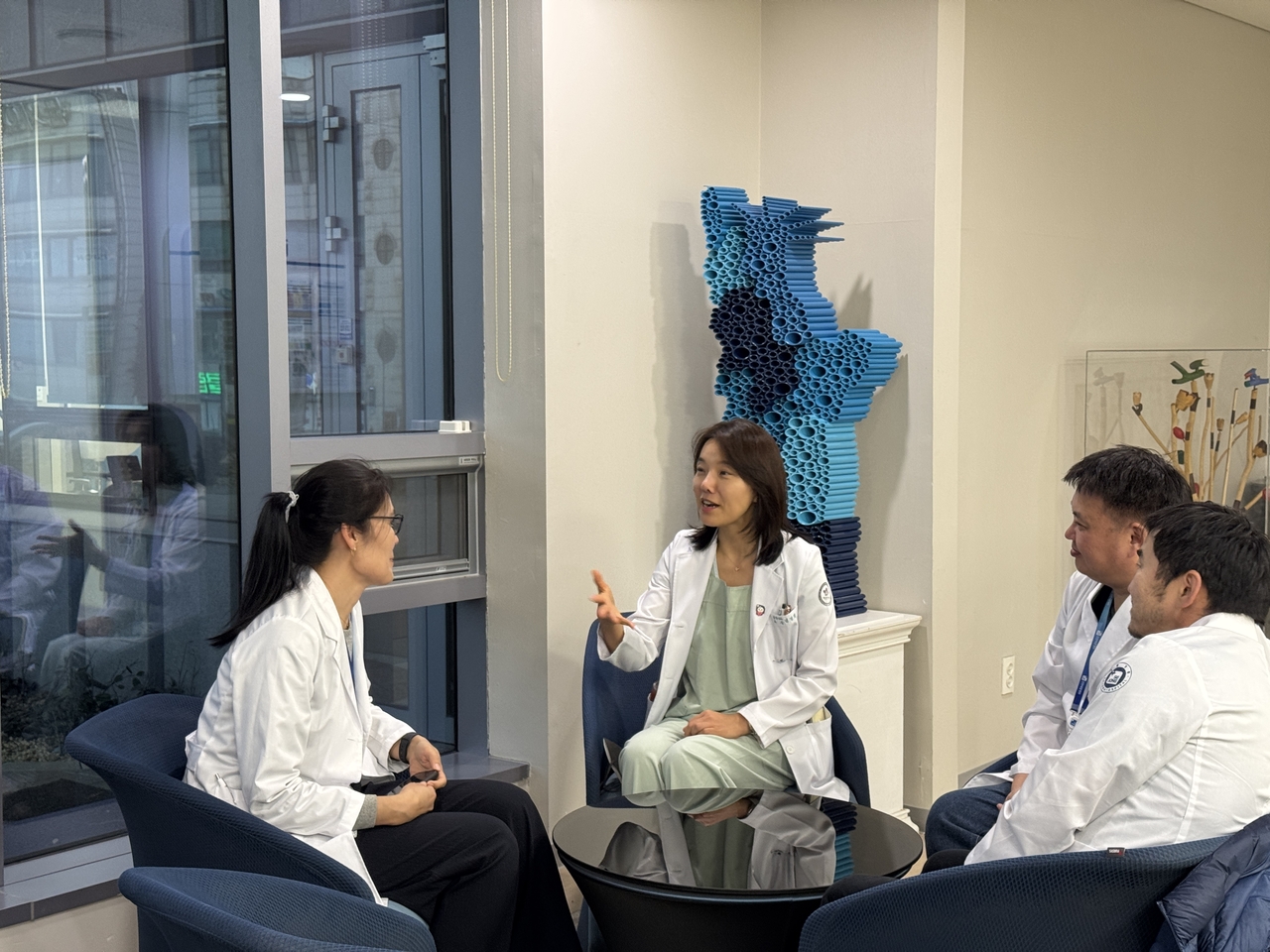
The three trainees were selected from a 10-member transplant team. They work in different departments at the same hospital.
If they trained at separate hospitals, Kim said, they might come home with different approaches to patient care, down to when to give a dose of medication.
“Transplantation cannot succeed simply because one doctor is excellent,” Kim said. “The team has to work together like interlocking gears.”
Narantsetseg and cardiovascular surgeon Dorjsuren Bat-Undral have worked together for 14 years. Tsogbadrakh said training together gave the doctors across specialties a better understanding of what happens in the operating room and helped them discuss the care patients need afterward.
The program also brought three doctors from Mongolia’s First Central Hospital to Yonsei University’s Severance Hospital for training in advanced pelvic cancer surgery as well as care before and after surgery.
Jang Won-sik, a urologist at Severance, said in a written interview that one step the doctors could take on returning home was to hold regular meetings across specialties to discuss cases.
“They can begin without additional equipment,” he said.
Bringing the lessons home
Incheon Sejong Hospital is helping the trainees adapt its protocols to local practice and supporting plans for a heart transplant center at Third State Central Hospital.
“We had already begun developing guidelines before coming here,” Tsogbadrakh said. “We are completing them here and will explain the process to our colleagues when we return.”
Kim said there were limits to what she could do remotely and that she was considering two or three more visits to Mongolia if support was available. The trainees said they would also need government funding, equipment and a system for following patients after surgery.
“We cannot make the system exactly the same, but finding a direction that fits our circumstances is most important,” Dorjsuren said.
shwang9@heraldcorp.com