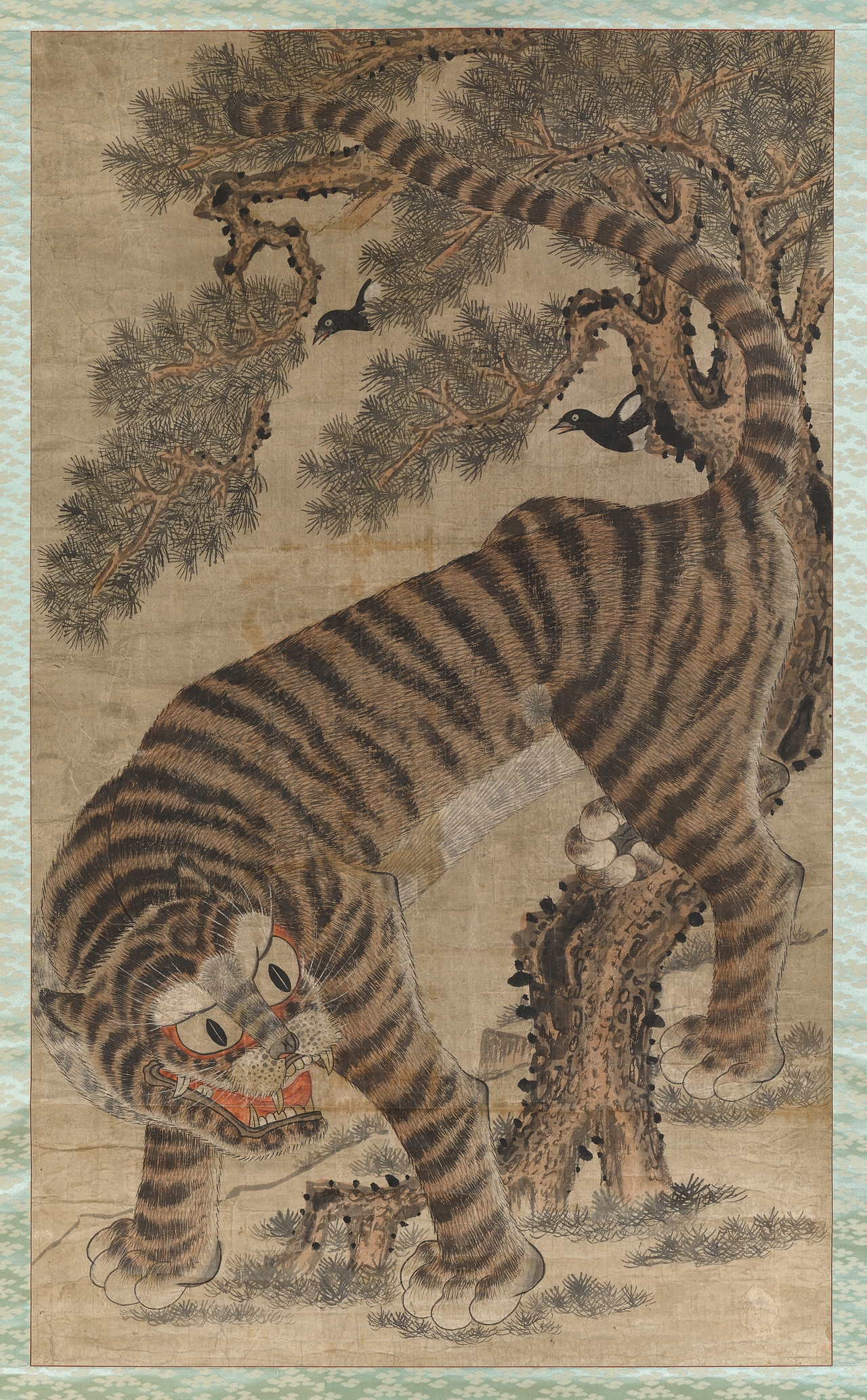
From symbols of fortune and protection to everyday objects, minhwa finds its way into contemporary life
A painting of a magpie and a tiger, or hojak-do, symbolizes good news and protection — with the magpie bringing good news and the tiger symbolizing authority, which is often portrayed with humor.
As part of “minhwa,” or folk painting, the classic motif is enjoying unprecedented popularity.
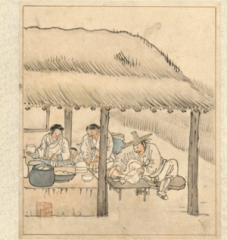
The folk painting genre “minhwa” flourished in the late Joseon era (1392–1910) and its popularity was amplified recently by its appearance in "KPop Demon Hunters" and other areas of pop culture.
"Whenever I meet international art professionals, they are consistently enthusiastic about minhwa, often noting it as a genre that highlights Korea’s distinct artistic identity," said Doh Hyung-teh, vice chairman of Gallery Hyundai.

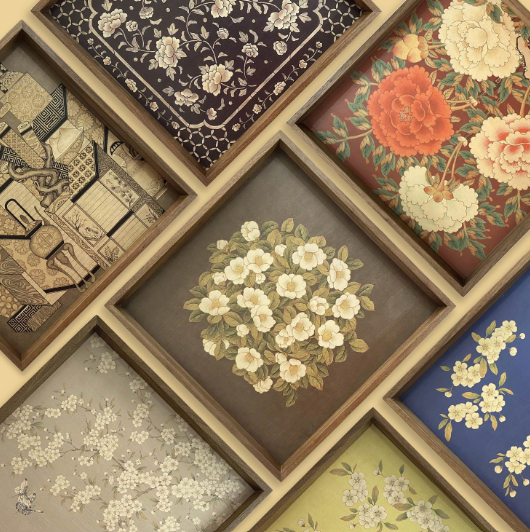
Among minhwa motifs, “hwahoe-do,” or flower-and-bird paintings, are increasingly used in contemporary interiors, particularly to evoke a bright, seasonal atmosphere often associated with spring.
They are widely applied to everyday items such as trays and folding fans. A fan and handkerchief set sold by the Leeum Museum of Art draws on the work of Nam Gye-u, reinterpreting traditional flower-and-butterfly motifs for everyday use.


A traditional Korean wrapping cloth, or bojagi, is one of the most popular items for reinterpreting minhwa designs for gift wrapping cloth — imbued with wishes for good fortune or as a versatile textile for everyday use.
The design, inspired by "Hwajoyeongmo," a painting of flowers, birds and animals by Kim Hong-do, a renowned painter of the late Joseon period, is applied to bojagi sold by Hohodang, the contemporary lifestyle brand.
“The painting depicts a small bird perched on a lotus leaf. While flowers and birds traditionally symbolize good fortune, the absence of visible blossoms invites the viewer to imagine a lotus in bloom, creating a calm and refined atmosphere,” the brand said on the bojagi design.
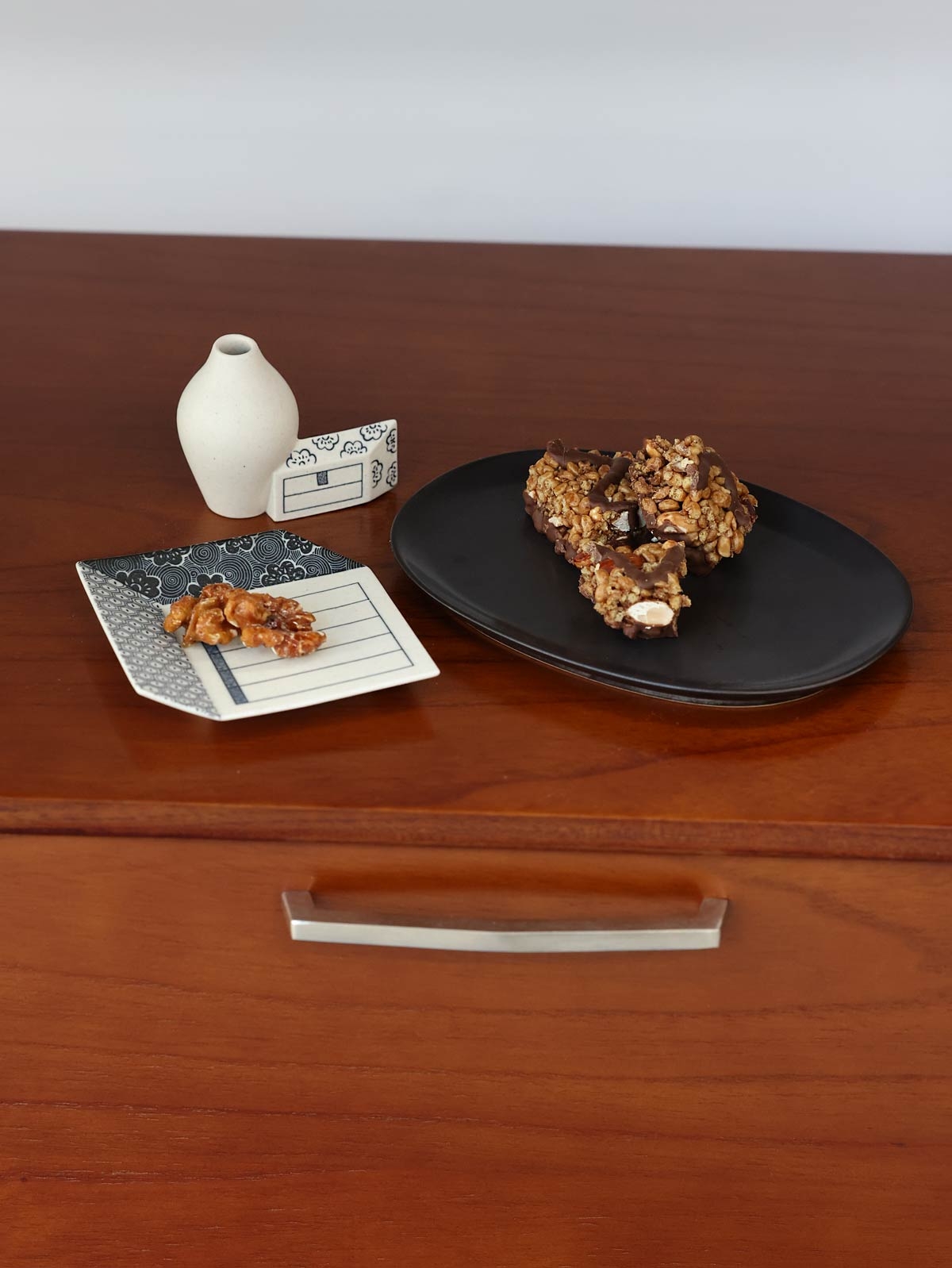
Chaekgado, pictures of books, ceramics and scholarly objects arranged on shelves, reflected a desire for knowledge and intellectual refinement, often associated with the scholar’s study.
This genre of Korean painting originated from court painting but later spread among commoners, becoming a popular subject within minhwa.
A chaekgado-inspired dish set sold by the National Museum of Korea has quickly sold out, reflecting strong demand for minhwa-based designs.
The chaekgado-inspired set includes an oval plate, a sculptural dish and a multifunctional piece, with one item designed to function as a small vase.
“Minhwa-inspired merchandise continues to see steady demand, reflecting its growing relevance in contemporary design,” a museum official said.
yunapark@heraldcorp.com