South Korea’s Supreme Court has sent an Egyptian man’s asylum case back to the Seoul High Court, saying the authenticity of foreign court judgments can be assessed even without verification by a Korean diplomatic mission in the country where they were issued.
In its Oct. 27 ruling, the top court overturned a lower court judgment that had upheld the Incheon Immigration Office’s decision to deny the man refugee status.
The man had submitted two Egyptian court judgments sentencing him to 15 years and three years in prison. The lower court declined to rely on the documents because it could not establish that they were genuine.
The Supreme Court said the lower court should have assessed the documents’ format and contents, how the man obtained them and whether they were consistent with the other evidence in the case.
The justices noted that the judgments resembled those submitted by other Egyptian asylum seekers and that nothing in their contents appeared arbitrary. The man had received the documents from his lawyer in Egypt, and the judgments were also available on the website of an international human rights organization.
The court conceded that publication on the website carried less weight than formal verification by a diplomatic mission. But given the organization’s standing and role, the justices said, publication there supported the possibility that the documents had been issued by Egyptian judicial authorities.
Taken together, the circumstances pointed to a substantial likelihood that Egyptian judicial officials had issued the documents in their official capacity, the court said.
The case also illustrates the difficulty of verifying foreign court records through diplomatic channels.
Egypt requires requests of this kind to go through formal diplomatic procedures, complicating efforts by Korean authorities to verify the documents.
The man arrived at Incheon International Airport on July 16, 2018, and applied for refugee status on July 23. He was admitted to Korea on July 30 after his application was referred for review.
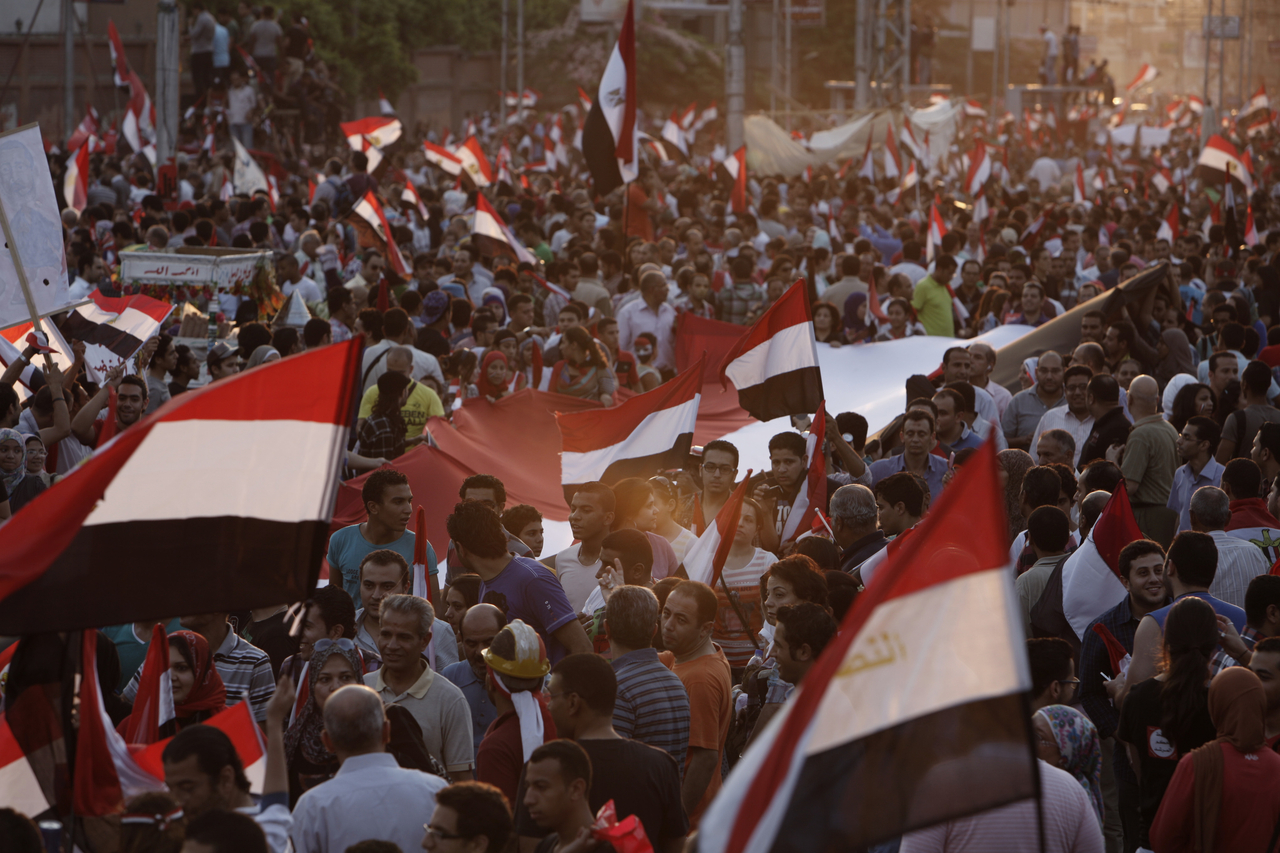
He said he had been arrested after taking part in an anti-government protest in Egypt in June 2013 and had been beaten and tortured. He said he fled to Sudan and was later sentenced in absentia by an Egyptian court while staying there.
The Incheon Immigration Office rejected his application in February 2022, saying there were insufficient grounds to establish a well-founded fear of persecution.
forestjs@heraldcorp.com