Product strategies, capital strength widen payout gap among Korea's largest insurers
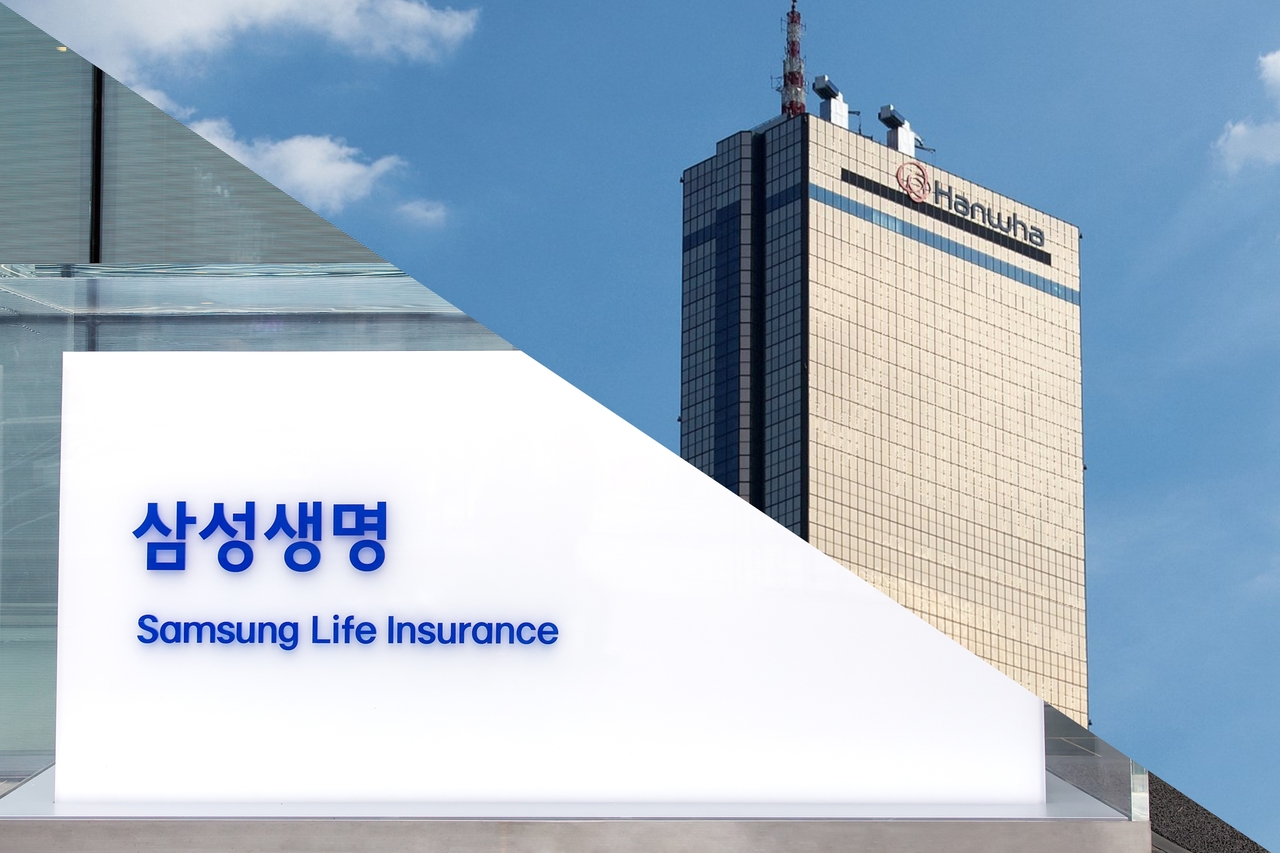
Shareholder returns are rising across much of Korea's financial sector, but payouts among the country's largest insurers are diverging.
The gap is starkest between Korea's two largest life insurers. Samsung Life lifted its dividend to 5,300 won ($4) per share for 2025 and may use an expected special dividend from Samsung Electronics for further returns. Hanwha Life paid nothing for a second year. Its standalone profit fell 7 percent to 292.8 billion won in the first nine months as investment losses offset stronger insurance earnings.
The divide extends to nonlife insurers. Samsung Fire & Marine and DB Insurance maintained dividends, with DB targeting a 40 percent shareholder return ratio by 2030. Hyundai Marine & Fire paid nothing for a second straight year and has not set a timetable for resuming dividends, even as nine-month standalone net income rose 23.1 percent to 780.8 billion won.
The uncertainty is also weighing on valuations. Hanwha was one of only two insurers among the Korea Exchange's 151 companies with persistently low price-to-book ratios. Hanwha's ratio of 0.27 means investors value it at just 27 percent of its book equity.
Why profits get locked up
An insurer cannot distribute all the profit shown on its accounts. If it owes customers more when they cancel policies than it has recorded as liabilities, it must set aside retained earnings to cover the difference. That surrender-value reserve cannot be distributed to shareholders.
Korean insurers held 64.7 trillion won in such reserves as of June, up 46.6 percent on-year and equal to 51.5 percent of industry retained earnings. At Hanwha, the figure reached 97.3 percent, including planned additions, compared with 19.2 percent at Samsung Life, leaving Hanwha far less room for dividends.
That explains Hanwha's valuation discount. The reserves remain part of book equity, but shareholders cannot receive them as dividends.
The burden varies according to the policies an insurer sells and how it sells them, said Rena Kwok, a credit analyst at Bloomberg Intelligence.
"Aggressive GA-channel long-term protection sales caused Hanwha Life's surrender-value reserves to absorb the bulk of its retained earnings," Kwok said. GAs are independent sales agencies that offer insurers a fast but costly route to sales growth.
Hyundai faces a different problem. Claims from older policies that reimburse customers' medical expenses are weighing on earnings, while investment losses booked against equity have further reduced distributable earnings, Kwok said.
Despite Hanwha's explanation that more profitable products have improved insurance earnings, analysts are more cautious.
"Growth in insurance earnings has been limited despite the selling costs and surrender reserve burden that come with writing more business," KB Securities analyst Kang Seung-geon said in a recent report.
Easing one rule, tightening another
Insurers want regulators to lower the reserves they must hold, currently set at 80 percent to 100 percent of surrender-value shortfalls. Lower rates could free up earnings for dividends, but regulators have yet to decide.
Even then, a new capital rule could still hold dividends back. From 2027, insurers must gradually raise basic capital toward 50 percent of required capital over nine years. Simply put, the reserve rule determines how much insurers can legally distribute, while the capital rule determines whether they can financially afford it.
Basic capital covers funds already available to absorb losses, excluding expected future profits. Insurers with weak basic capital may therefore need to retain earnings freed by reserve reform.
Kwok said the two rules would act as "complementary guardrails" while only partially easing dividend constraints. Insurers whose reserves consume nearly all their retained earnings may not regain payout capacity immediately, she added.
Looser reserve rules could also encourage insurers to chase sales. "Easing the reserve rules without adequate controls on expenses such as the cost of acquiring new business could fuel excessive competition for new policies," iM Securities analyst Seol Yong-jin said.
Amid lingering regulatory uncertainty, Hanwha has put a timeline on its response to the valuation discount, with a value-up plan set for release in the first half of 2027.
jwc@heraldcorp.com