
Regulators scrap proposed term limit, tighten board oversight and executive pay rules
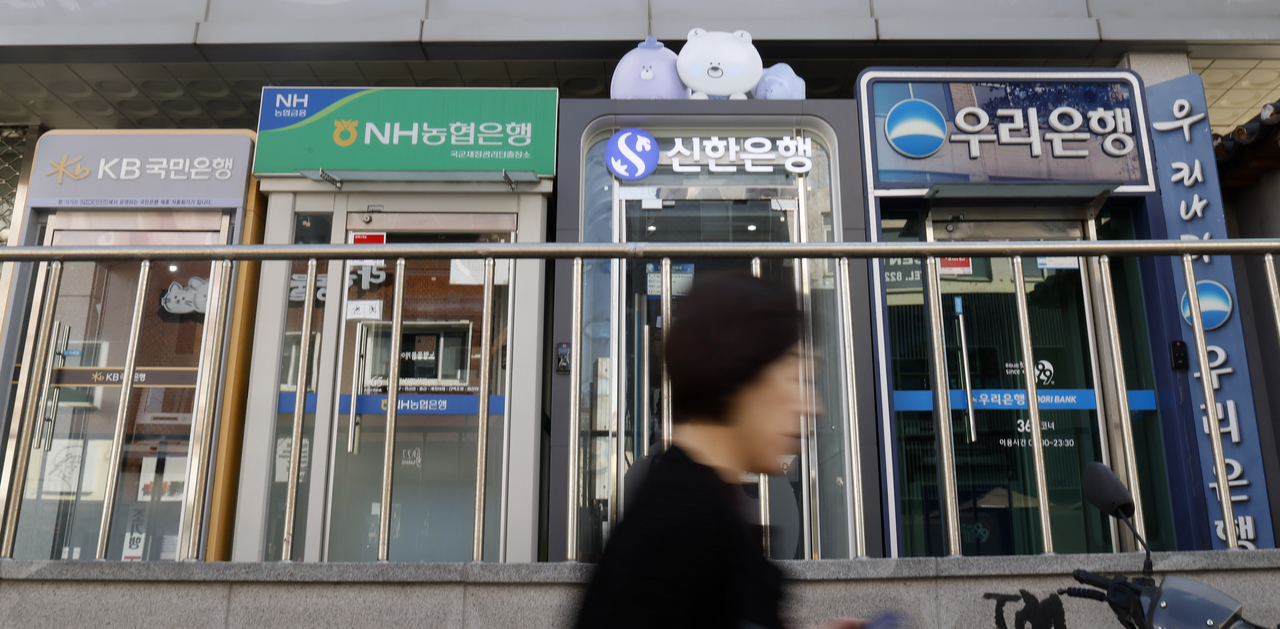
South Korea plans to make it significantly harder for banking group chiefs to stay in power beyond two terms, requiring at least 75 percent shareholder approval for a third or subsequent term instead of imposing an outright ban.
The tougher voting requirement is a centerpiece of a governance reform package announced by the Financial Services Commission on Thursday. It aims to curb entrenched leadership, strengthen board independence and tighten oversight of executive pay.
The measures follow President Lee Jae Myung's criticism in December of repeated reappointments at financial groups. A subsequent review of eight bank holding companies found nomination processes favoring incumbents and inadequate screening of rival candidates.
Higher voting thresholds
Under the proposal, chairs seeking a second term would need approval from two-thirds of voting rights represented at a shareholders' meeting, with support equivalent to at least one-third of all issued shares.
For third and subsequent terms, those thresholds would rise to 75 percent and half of issued shares, respectively. Currently, a simple majority of represented votes and support equivalent to one-quarter of issued shares suffice.
Jun Yo-seop, the FSC's director general for financial policy, said authorities considered banning third terms altogether but opted for stricter approval requirements, citing international practice and constitutional concerns.
"Looking at recent cases, I think there were about three out of 15 where support fell short of 75 percent," he said at a press briefing in Seoul on Wednesday. "That does not seem like a particularly low proportion."
Tighter candidate screening
The package also targets flaws in leadership selection.
In one case regulators uncovered, a director gave an incumbent the highest score without asking questions and directed negative questions at two competing candidates.
CEO nomination committees would consist entirely of independent directors, with initial appointments requiring support from two-thirds of all members and reappointments requiring three-quarters.
Incumbent CEOs would be barred from committees that nominate independent directors or audit committee members. Contacts concerning succession with CEO nomination committee members would have to be disclosed, including their purpose and substance.
Improper interference could trigger demands for dismissal or suspension. Committee members would also sign candidate verification statements, while committee chairs would explain their recommendations to shareholders.
More independent boards
The reforms also seek to strengthen board oversight amid concerns that outside directors rarely challenge management.
According to the FSC, outside directors cast one dissenting vote out of 6,100 board and committee ballots in 2025. None were replaced based on performance evaluations.
The government plans to extend the independent director system to unlisted financial companies, formally designating existing outside directors as independent directors.
Listed financial companies would be encouraged to seek director candidates recommended by shareholders who hold at least 0.1 percent of shares for six months. All recommended candidates would be disclosed, regardless of appointment.
Authorities also plan to clarify that institutional investors, including the National Pension Service, would not be considered to be seeking management influence solely for recommending candidates at a company's request. Participation would remain voluntary.
Independent directors would meet without management at least twice a year, while performance evaluations would assess their participation, information requests and agenda proposals.
Pay and accountability
The package would also tighten oversight of executive compensation.
Listed financial companies with assets of at least 2 trillion won ($1.5 billion) would have to explain individual directors' compensation plans to shareholders.
Regulators propose deferring at least 50 percent of performance-based compensation for five years, up from the current 40 percent over three years.
Bonuses could be clawed back if deliberate misconduct or gross negligence caused losses, or if financial statements used to calculate compensation were restated.
The FSC cited a former financial group chair who received an average of 700 million won annually for four years as an adviser without adequate assessment of the work performed. Companies would have to establish and disclose compensation standards for such appointments.
The FSC plans to draft legislative amendments by year-end, with implementation expected about six months after passage.
jwc@heraldcorp.com