

Vice chair outlines GS Caltex’s lower-carbon transformation in McKinsey interview
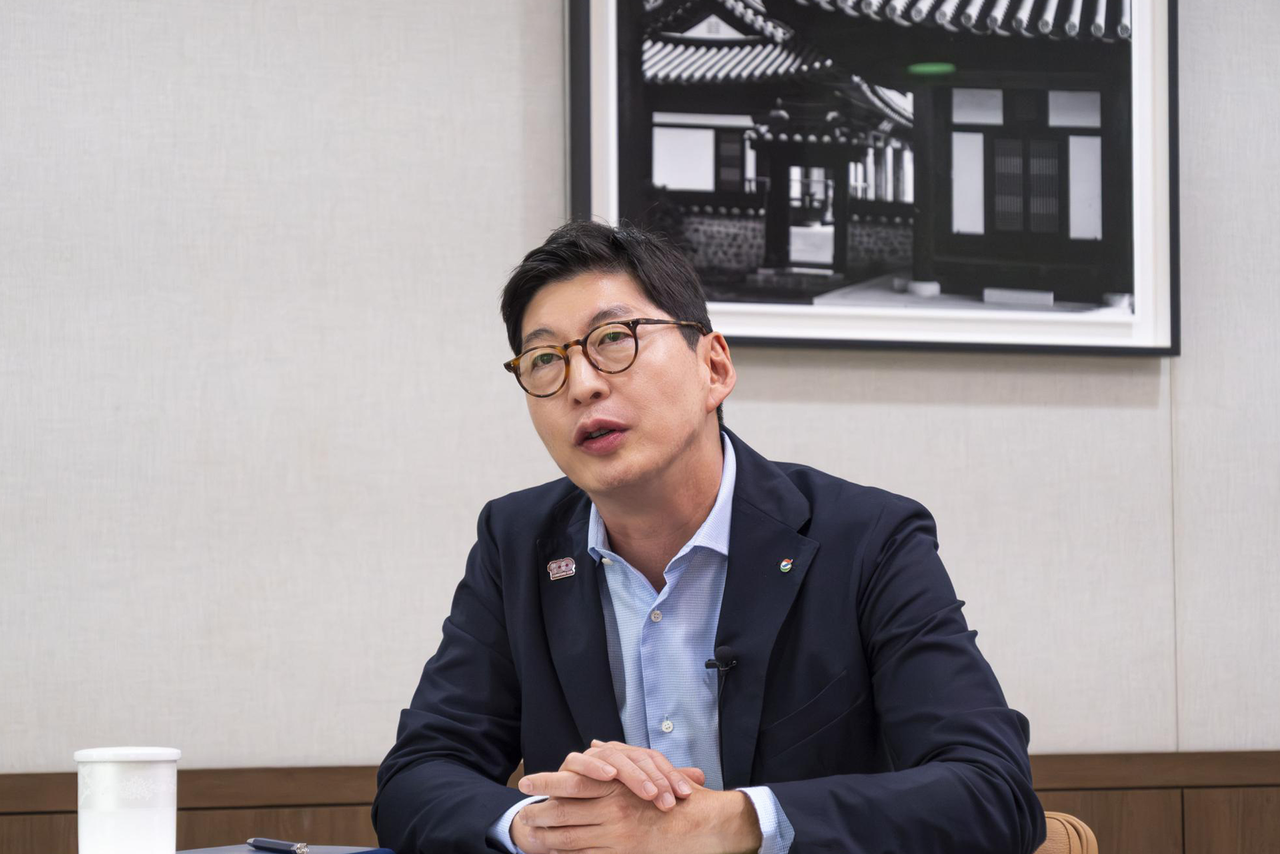
Amid sweeping changes in global energy markets, GS Caltex Vice Chair Hur Sae-hong seeks to move South Korea’s energy and chemical company beyond its decades-old focus on refining volumes toward higher-value, lower-carbon businesses.
Hur outlined his vision in McKinsey & Co.’s “Leading Asia” interview series and its centennial book, “Shapers & Founders: The Untold Stories of Asia’s Extraordinary Owner-CEOs.” He was featured alongside other Korean business leaders from companies including HD Hyundai and MBK Partners.
A fourth-generation member of GS Group’s founding family, Hur spent more than 18 years working in Japan, the US and Singapore for companies including IBM and Chevron. Those experiences helped shape a management philosophy that combines global adaptability with what he describes as traditional Korean humility.
At its center is “we-dership,” Hur’s term for leadership built collectively. The idea calls on executives to “lead from the top, but move together,” with teamwork underpinning the company’s ambition to remain competitive for the next century.
GS Caltex, Korea’s first private oil refiner, operates the world’s fourth-largest single-site refinery. The company prospered for decades on surging energy demand across Asia, but slowing global growth and the risk of excess supply have challenged its traditional volume-led model.
“How can we maintain a growth path on a quality basis to ensure we remain sustainable for the future?” Hur said.
His answer is what GS Caltex calls its “Deep Transformation Journey,” built around three pillars of transformation: business, digital and artificial intelligence, and green transformation.
Business transformation, which the company calls BX, seeks to overhaul its mindset, culture and organizational structure. Digital and AI transformation, or DAX, focuses on building capabilities internally, including retraining and refining petrochemical engineers through an in-house digital academy.
Green transformation, or GX, seeks to shift the company’s portfolio toward lower-carbon growth areas. These include sustainable aviation fuel, bio-based marine fuel, circular plastics, clean hydrogen, and carbon capture, utilization and storage.
Hur is also pushing for GS Caltex to build what he calls a “black-box advantage” — an internal combination of work processes, organizational capabilities and corporate culture that competitors would struggle to replicate.
Investing in emerging green businesses carries substantial risk, but Hur argues that standing still poses an even greater threat. He describes the status quo as “a killer of sustainable growth.”
To manage that risk, GS Caltex uses marginal abatement cost curves to assess projects according to their cost and emissions-reduction potential, prioritizing lower-risk opportunities.
Hur is also trying to preserve startuplike agility within a large corporation. A newly created "business council" brings senior executives together to lead cross-company strategic projects that might otherwise remain confined within individual business units.
Named one of Stanford Graduate School of Business’ “Centennial Alumni Catalysts” in 2025, Hur said the success of the strategy would ultimately be judged by measurable results.
“For me, sustainability means fundamentally rebalancing our portfolio toward lower-carbon businesses,” he said. “In the end, I believe the only way to demonstrate this commitment is through outcomes, not words.”
hyejin2@heraldcorp.com