
Less than 2% of funds spent guaranteeing renters' deposits in cases of foreign landlord defaults recouped
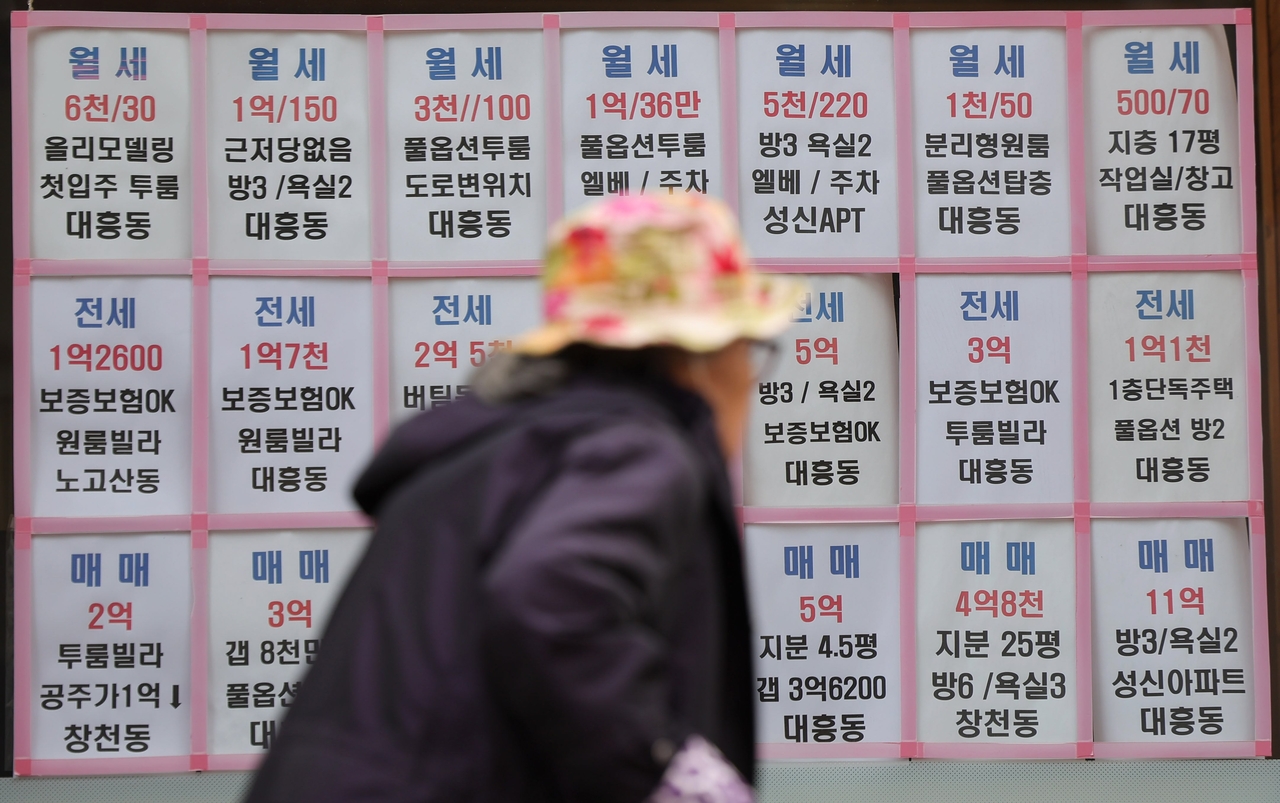
When foreign landlords living overseas default on returning jeonse deposits to renters, South Korea’s public housing insurer has little power to recover the money, new data showed Friday.
Between 2022 and September 2025, the Housing and Urban Guarantee Corp., which protects renters against defaults, reported 103 cases in which non-Korean landlords failed to return tenants' deposits.
In 67 of those cases, HUG compensated renters directly, covering a total of 16 billion won ($11.2 million). Yet according to data submitted to the National Assembly, less than 2 percent of that amount, or 330 million won, has been recovered from the landlords involved.
The jeonse system involves tenants paying a large, lump-sum deposit, usually 50–60 percent of the home’s market value, instead of monthly rent, with the full amount returned at the end of the lease.
In recent years, however, this traditional Korean rental system has become increasingly vulnerable to fraud and defaults, particularly amid declining property values.
While the HUG's system protects renters' money, when landlords reside abroad, the state-run agency faces major obstacles in recovering funds. Of the 43 overseas landlords who still owe HUG repayment, 22 could not be reached due to unverified addresses. In such cases, South Korean courts resort to public notifications, but the legal process is effectively halted unless the debtor voluntarily responds.
The largest number of delinquent foreign landlords were Chinese nationals (27 individuals, owing 8.45 billion won), followed by Americans (8, 5.31 billion won), according to HUG data. Others came from Canada, Japan, Nepal, the Philippines and Thailand.
As of December, foreign nationals owned more than 100,000 homes in Korea, a 5.4 percent increase over six months. Chinese nationals held the largest share, owning over 56 percent of those homes, followed by Americans (22 percent) and Canadians (6.3 percent).
Earlier in October, HUG made another attempt to contact all 43 outstanding debtors. Only six responded, and all said they were unable to repay due to a lack of funds.
Rep. Kim Hee-jung of the ruling People Power Party, who obtained the data from HUG, urged regulatory changes. She proposed requiring foreign landlords to disclose nationality, visa status and duration of stay, as well as mandating that deposits be held in third-party financial institutions. She also suggested travel restrictions for those who default.
According to the National Police Agency, South Korea recorded 3,814 jeonse fraud cases between July 2022 and June 2025. Supreme Court registry data from May shows foreign landlords make up 0.66 percent of all landlords nationwide.
mjh@heraldcorp.com


