
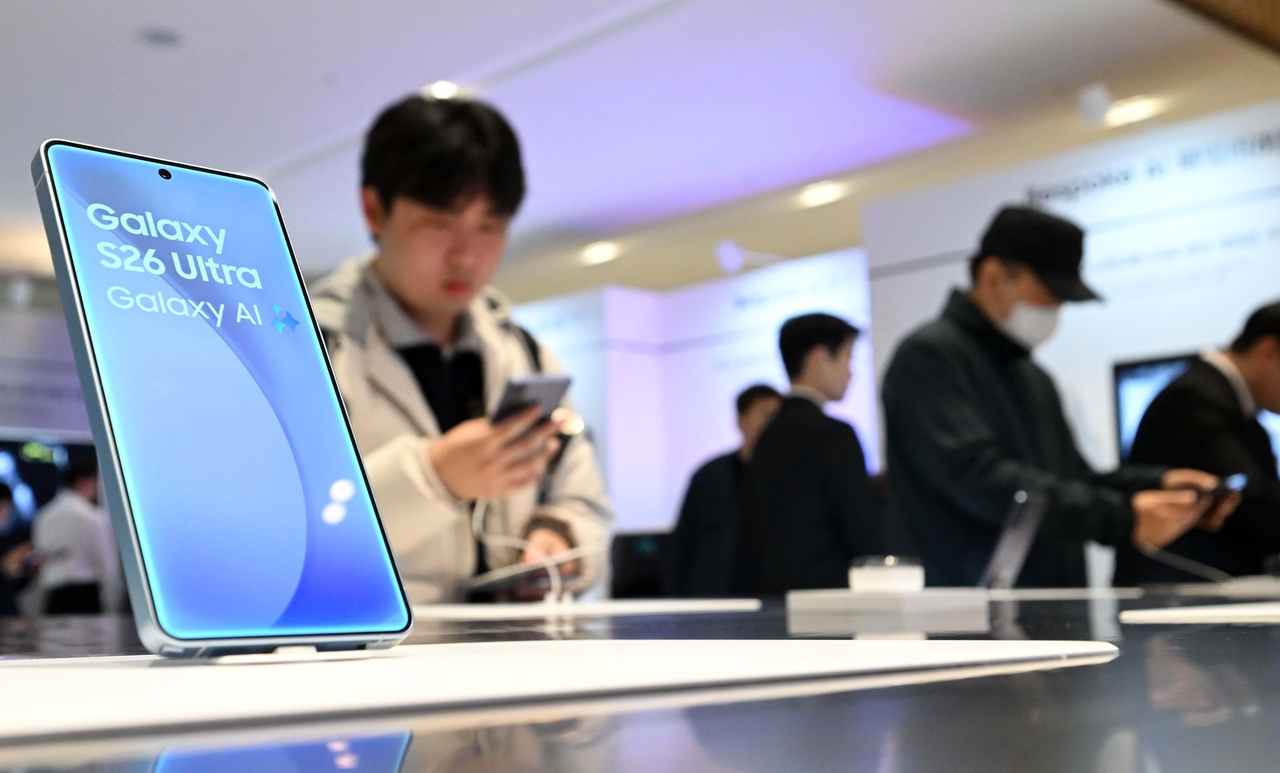
Samsung Electronics may raise prices for next year's Galaxy S27 series more than it had initially planned, according to a Korean technology leaker, as the company has just increased prices for its current Galaxy S26 lineup in Korea only seven months after launch amid sharply higher memory costs.
Lanzuk, a Naver-based leaker, said Wednesday that Samsung had already set an initial price structure for the S27 lineup but was now preparing higher starting prices because of rising DRAM and NAND flash costs. Lanzuk has built a following for early information on Samsung devices and supply-chain developments, often citing contacts at Korean component makers and other industry sources.
The additional increase could reach the high-130,000 won range, or about $100, according to the post. Lanzuk also said Samsung may apply different increases by storage capacity, which could leave buyers of higher-capacity models facing steeper price jumps.
Samsung has not confirmed the S27 pricing plans, and the claims have not been independently verified.
The S26 price increase took effect Thursday. The 256GB Galaxy S26 rose by 149,600 won to 1.4036 million won, while the 1TB S26 Ultra went up by 276,100 won to 2.8215 million won. Similar increases were introduced in the US.
Memory prices help explain why phone makers are finding less room to absorb higher costs. TrendForce expects conventional DRAM contract prices to rise another 10 to 15 percent quarter-on-quarter in the fourth quarter, while NAND flash prices are forecast to climb 15 to 20 percent. It said suppliers continue to favor higher-margin server products, keeping mobile DRAM supply tight.
Samsung's own earnings show how uneven that boom has become inside the company. Its MX and Networks businesses posted a 700 billion won operating loss in the second quarter, down from a 2.8 trillion won profit three months earlier. Samsung cited elevated component costs across the industry as a factor.
Its semiconductor division, meanwhile, earned 89.2 trillion won in operating profit as memory earnings surged on AI-server demand.
Apple also raised prices for Macs and iPads in June but left iPhones unchanged until its annual September refresh. Samsung raised Galaxy S26 prices about seven months after launch, an unusual mid-cycle increase for its flagship smartphone line.
mjh@heraldcorp.com