
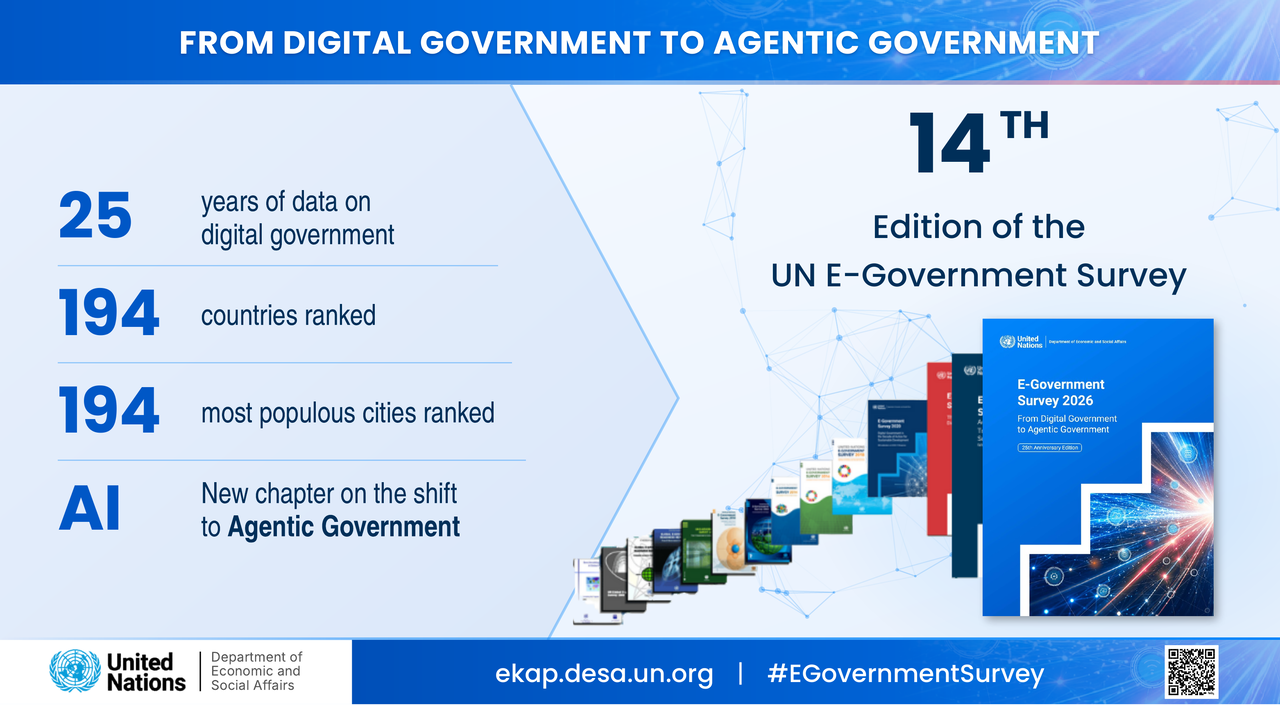
South Korea ranked first in the United Nations' assessment of online government for the first time in 12 years, climbing three places from fourth in 2024, the Ministry of the Interior and Safety announced Friday.
The biennial UN E-Government Survey covered 194 countries this year. Denmark, which topped the previous survey, came in second, while Singapore maintained its third-place ranking.
The overall ranking is based on three indices covering online services, telecommunications infrastructure and human capital. South Korea moved up from 17th to 11th in human capital and from sixth to fifth in telecommunications infrastructure, while falling from first to fourth in online services.
South Korea recorded its biggest improvement in the Human Capital Index. The government attributed the progress to measures aimed at improving digital accessibility, including making font sizes adjustable on government websites and providing tailored guidance for people who may have difficulty using digital services, including the elderly.
In the online services category, the ministry cited personalized notifications sent through mobile apps.
The service draws from a list of more than 7,000 government benefits and alerts users to those they may qualify for based on circumstances such as looking for work or having a child.
The Telecommunications Infrastructure Index this year added a measure of e-government infrastructure, which covers systems for verifying identities digitally and sharing data.
The ministry pointed to mobile IDs and the opening of public data as examples.
It also cited the Public MyData service, which lets people share personal information held by one public institution with another, saving them from having to submit the same documents repeatedly.
"The result reflects the digital government capabilities that the government, businesses and private-sector experts have built together over many years, earning recognition from the international community," Interior Minister Yun Ho-jung said.
"We will work to realize an 'AI democratic government' in which everyone can benefit from artificial intelligence, while supporting the overseas expansion of outstanding AI and digital government services."
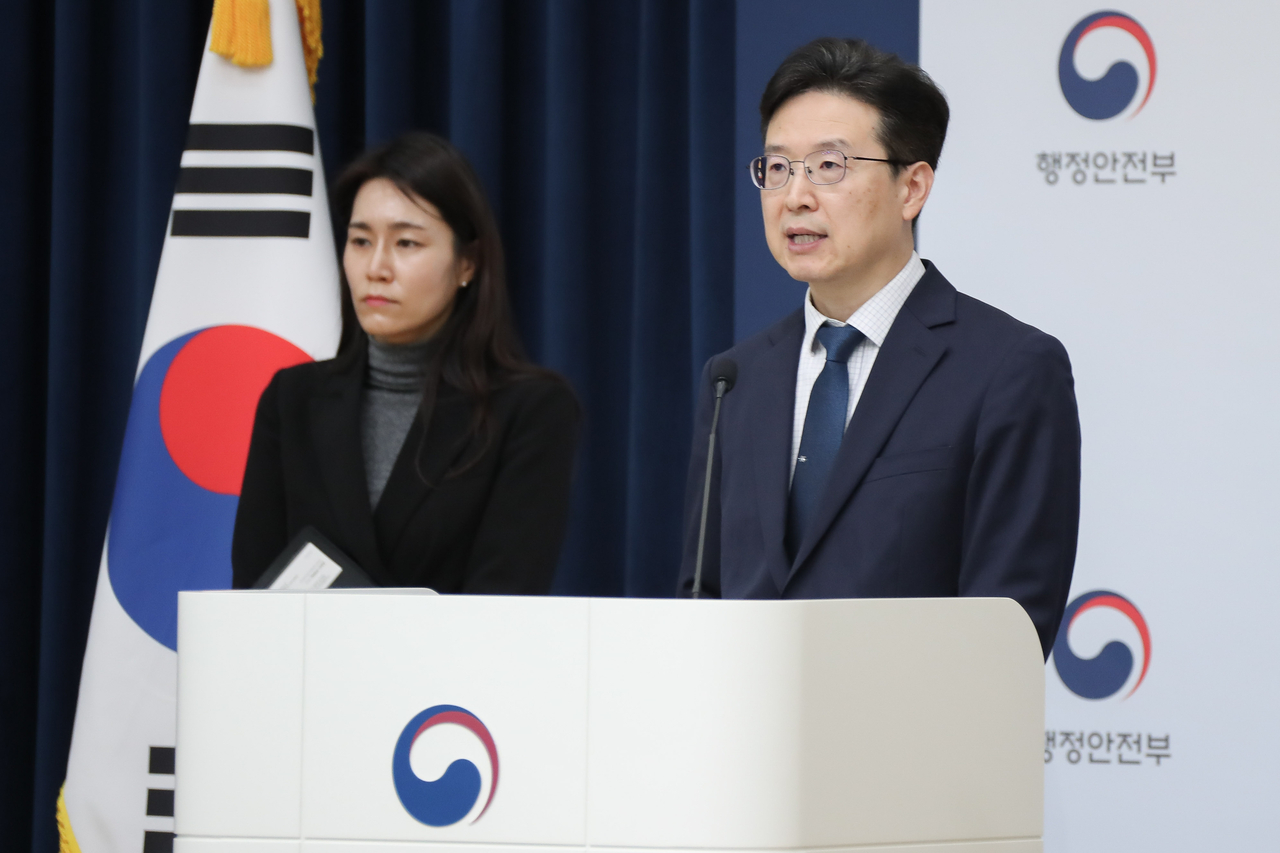
At a briefing Friday, the ministry outlined plans to offer round-the-clock AI consultations on everyday administrative matters and develop systems that proactively offer services tailored to individual needs and collect public complaints.
The ministry said it would also strengthen safeguards as AI-powered services make greater use of personal information.
forestjs@heraldcorp.com