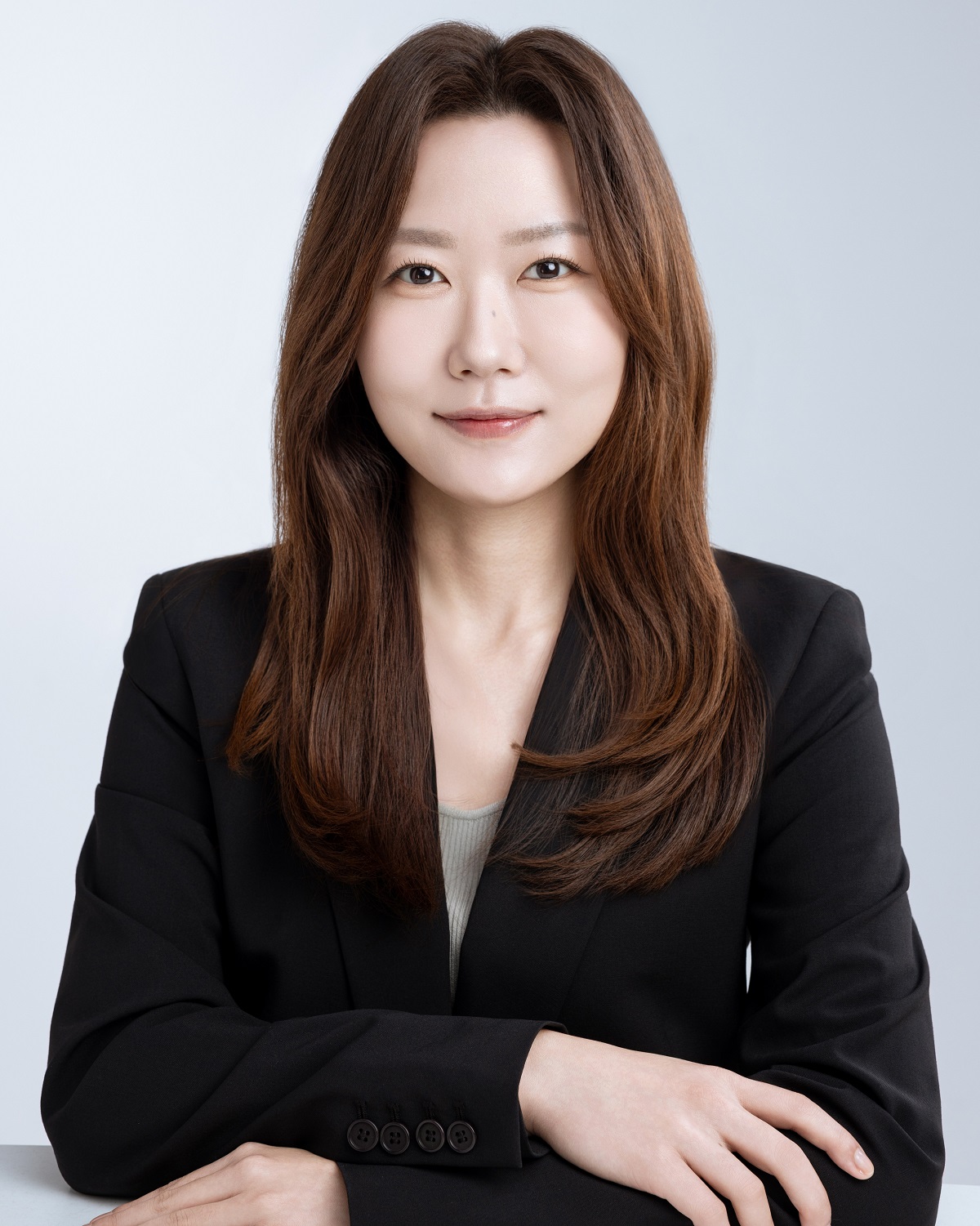
For Ellen Park, strengthening the relationship between South Korea and the United States is not simply a matter of diplomacy between Washington and Seoul. It also means ensuring that Korean companies investing in America have political allies, their economic contributions are recognized and Korean Americans have a stronger voice in shaping US policy.
As the first Korean American woman elected to the New Jersey Legislature and now a deputy speaker of the state General Assembly, Park is seeking to turn her immigrant background and growing political influence into a bridge between the two countries.
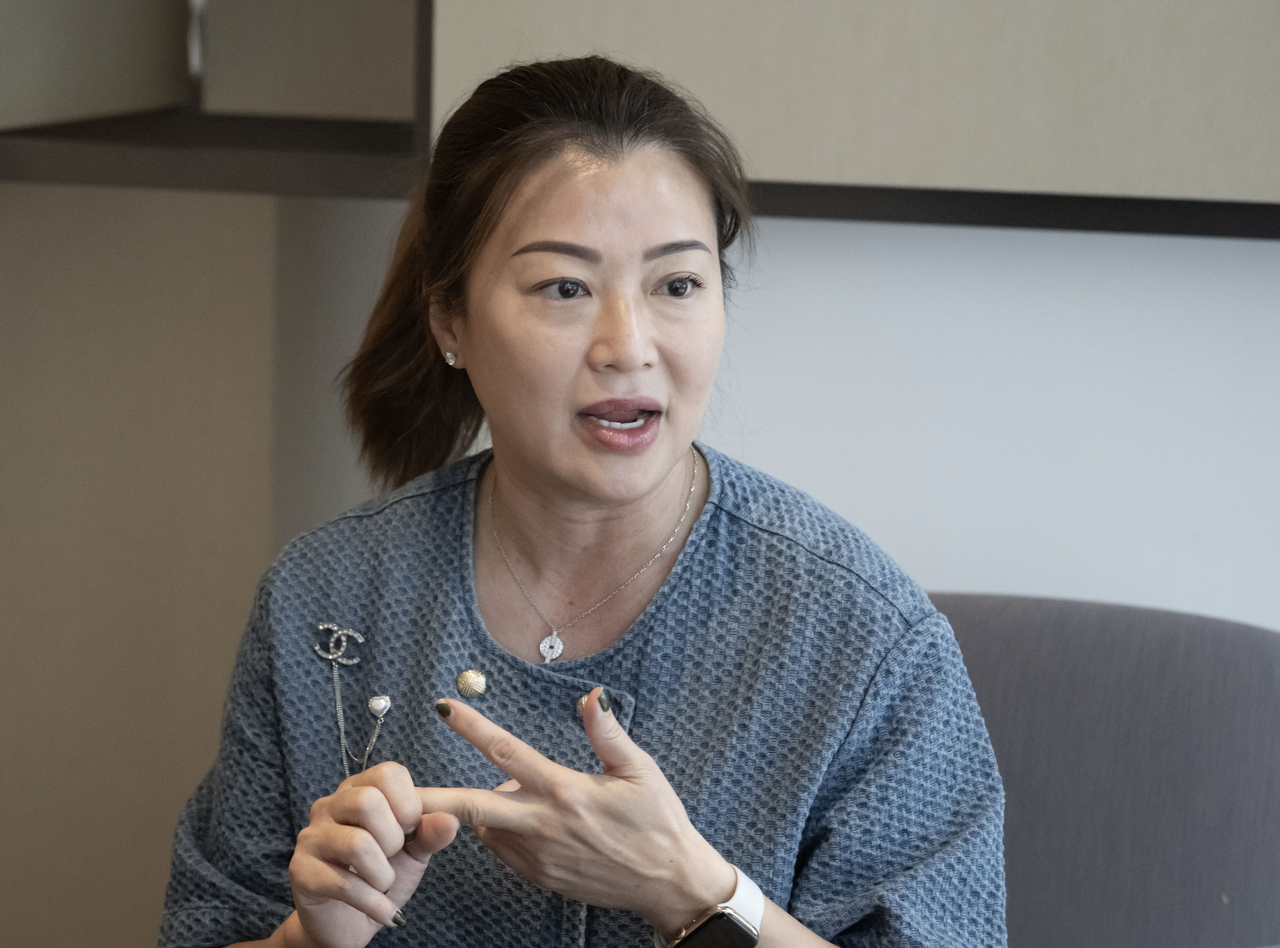
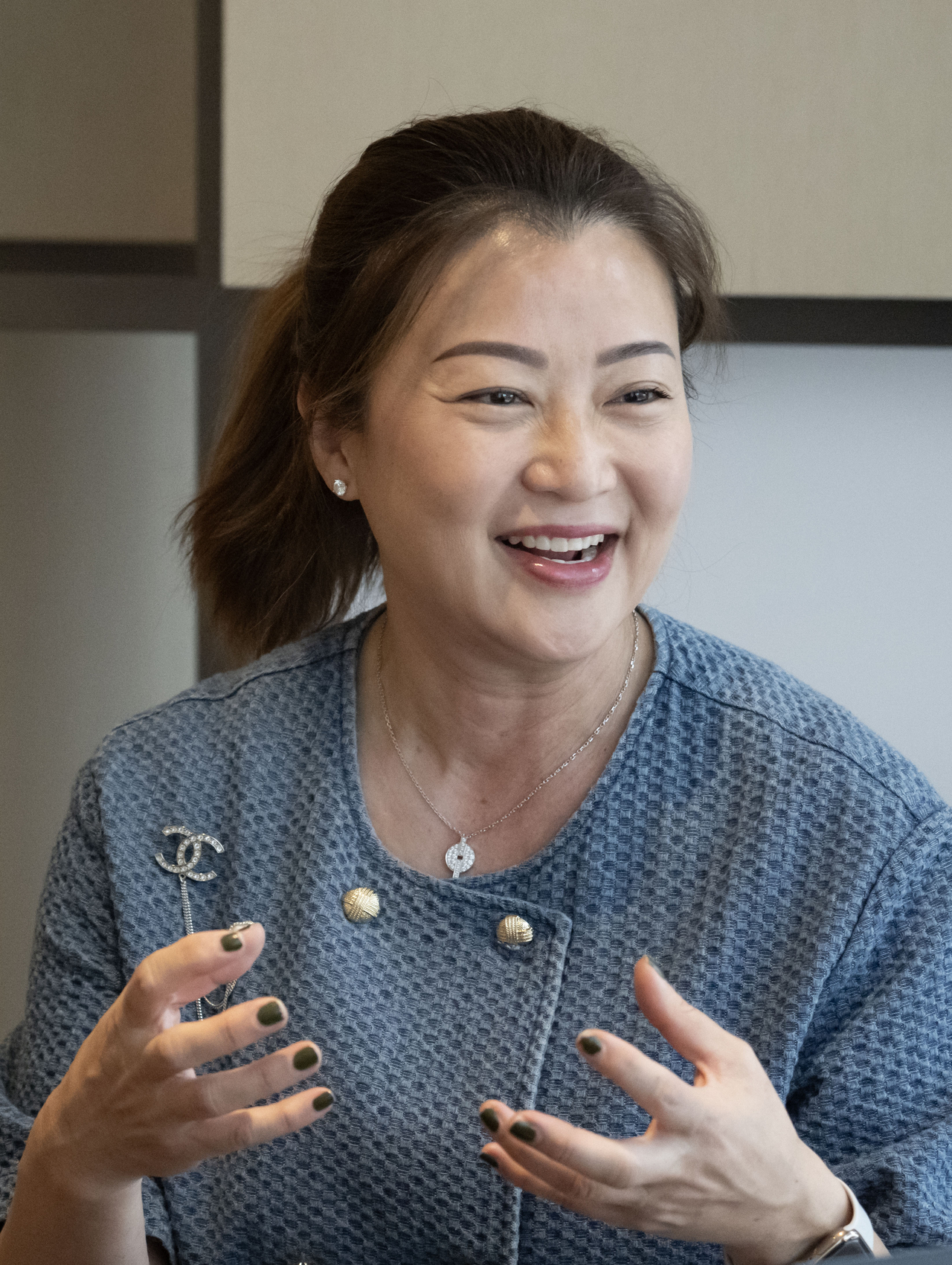
"I honestly believe the US needs Korea," Park told The Korea Herald during an interview in Seoul on Monday. "It's not just Korea benefiting from this relationship. It's the US also benefiting."
Park, a Democrat representing New Jersey's 37th Legislative District, was visiting South Korea as head of a New Jersey economic delegation that held meetings with major Korean companies, including LG Group, Hanwha, Doosan and Daewoo Engineering & Construction, to explore opportunities for expanding bilateral investment and business cooperation.
Throughout the interview, conducted in both Korean and English, the Seoul-born lawmaker moved naturally between the two languages, reflecting an identity shaped by her Korean upbringing and nearly five decades in the United States.
Her central message was that South Korea's importance to America extends well beyond the security alliance and the global popularity of Korean culture.
While K-pop, Korean beauty products and food have helped elevate the country's international profile, Park argued that the economic relationship is far more deeply embedded in Americans' everyday lives than many realize.
From Samsung televisions and LG home appliances to biotechnology and pharmaceuticals, Korean businesses have become an integral part of the US economy, she said.
"The Korean companies play a pivotal role in our daily lives," Park said, adding that many Americans remain unaware of the Korean origins of products and technologies they routinely use.
For Park, that economic interdependence should translate into greater political recognition, particularly as Korean companies navigate an increasingly uncertain US policy environment.
Bridging state, federal politics
With the Trump administration's trade and immigration policies creating uncertainty for foreign investors, Park sees an opportunity for state-level lawmakers to help Korean companies navigate the US political landscape, while acknowledging the limits of their authority over federal matters.
"I'm there to assist at the state level," she said. "But on the federal level, there's still some work that needs to be done."
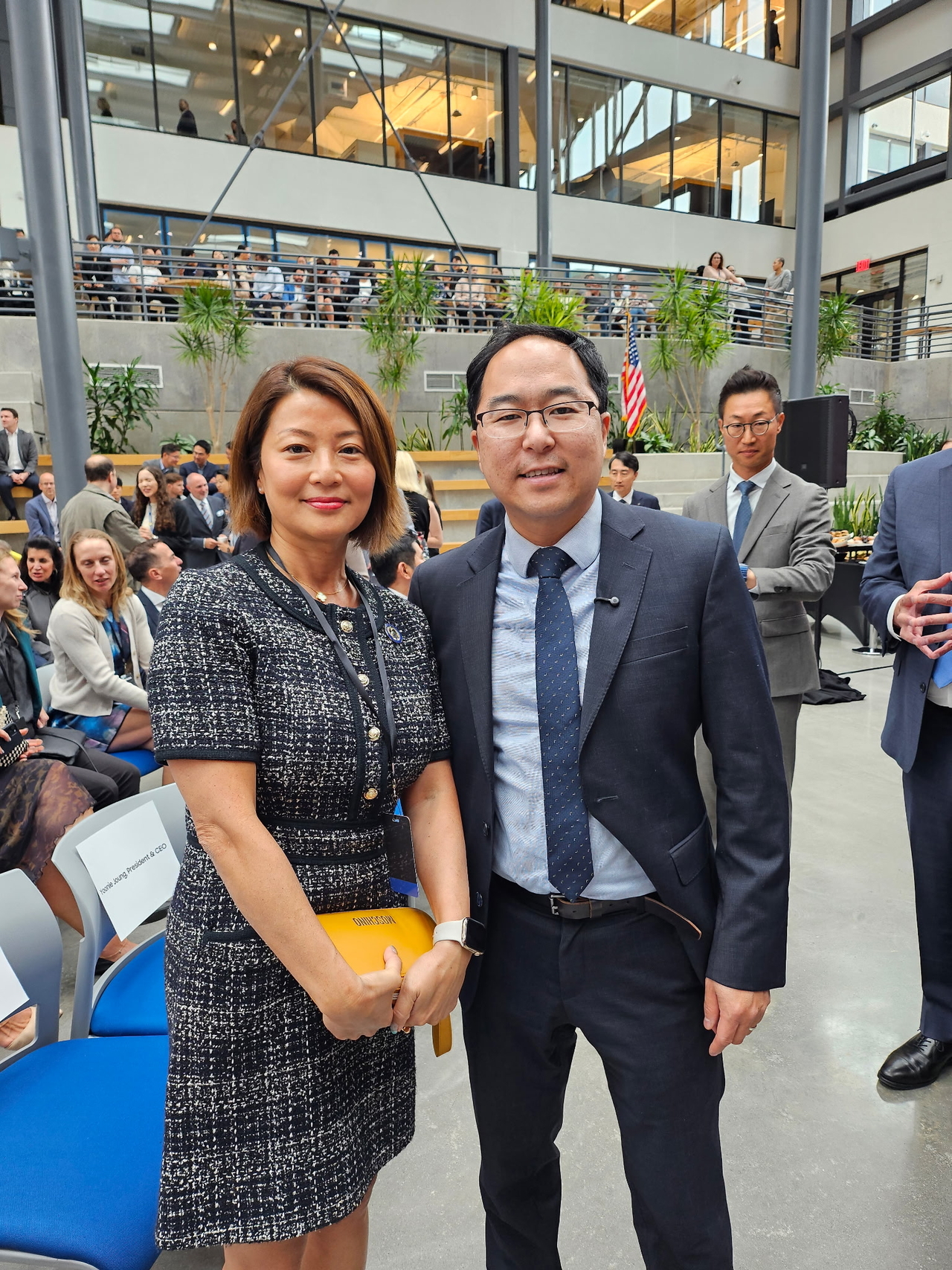
Park hopes to coordinate with US Sen. Andy Kim of New Jersey, the first Korean American elected to the Senate, to strengthen support for Korean businesses.
"We are going to work together to see how we can, as a federal and a state legislator, come together to assist our Korean companies," she said.
Park estimated that around 82 Korean companies operate in New Jersey and said her priority is not only to retain their investments, but also to encourage expansion, particularly by attracting US corporate headquarters even when manufacturing facilities are located in other states.
She highlighted cultural differences as a major challenge for Korean companies entering the American market, particularly in workplace expectations and management practices.
Successful localization, she explained, requires hiring human resources professionals familiar with American workplace culture and fostering mutual understanding between Korean management and US employees.
From Queens apartment to legislative leadership
Park's efforts to strengthen Korean American political influence are deeply rooted in her immigrant experience.
Born in Seoul in 1972, she moved to the United States at 6 years old without speaking English. Growing up in the Queens borough of New York, she found comfort in a close-knit Korean immigrant community where children gathered after school while their parents worked long hours running small businesses.
Speaking in Korean, Park recalled that despite experiencing discrimination, she felt a sense of belonging and security among Korean families.
Park went on to study political science at New York University and earned a law degree from Hofstra University before beginning her legal career in 2000.
Her political awakening came during law school, when she helped organize a voter registration drive in Flushing, Queens. Despite two days of outreach, only two residents registered, reflecting what she described as widespread reluctance among immigrants to engage in American politics.
That experience convinced her that Korean Americans needed greater political representation and participation to protect their interests.
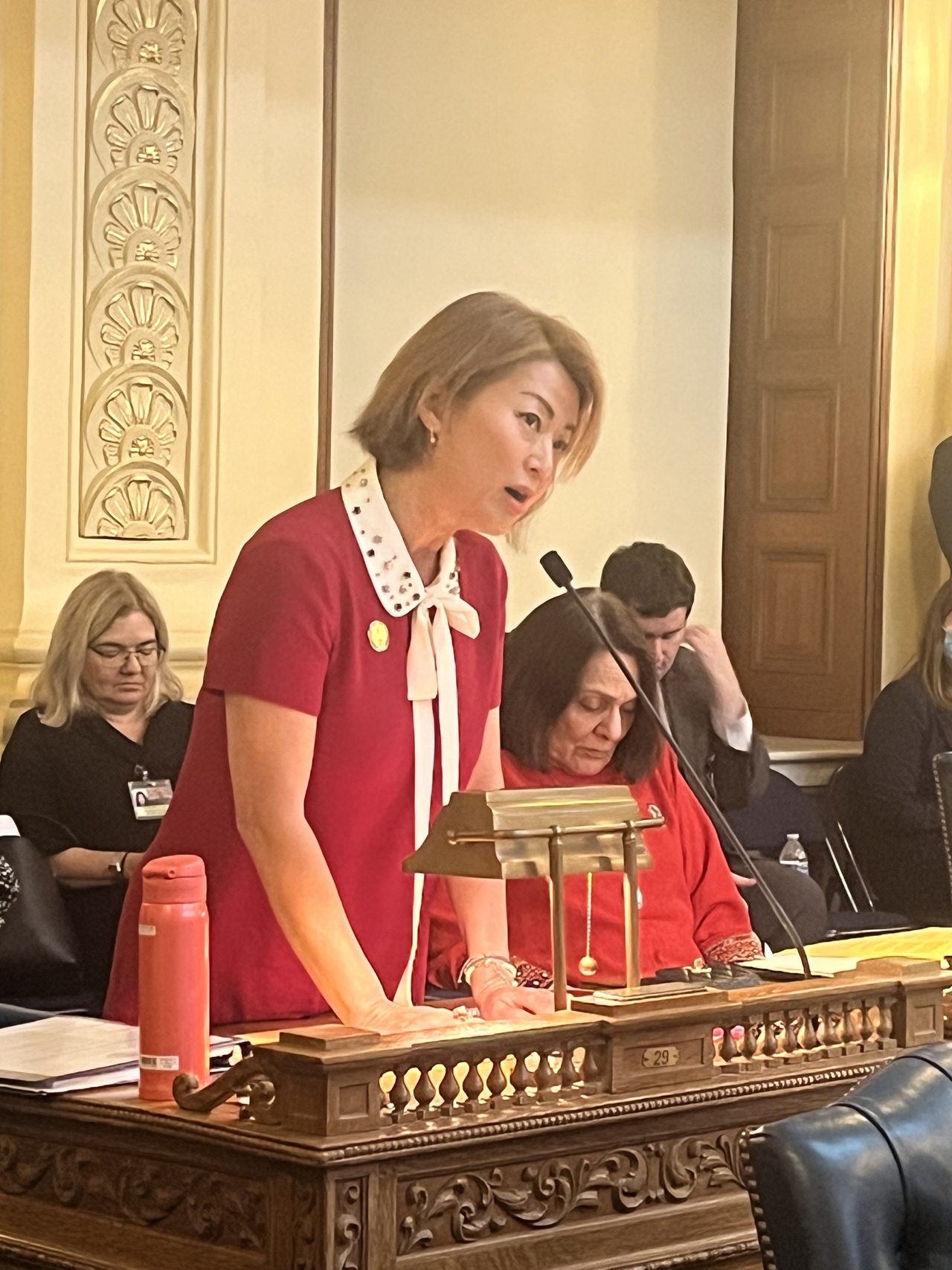
Park entered politics as an Englewood Cliffs councilwoman in 2016 before winning election to the New Jersey General Assembly in 2021, becoming the first Korean American woman to serve in the state's Legislature.
Her political ascent continued with her appointment as the judiciary committee chair and parliamentarian in 2024, followed by her elevation to deputy speaker this year. She also serves as vice chair of the budget committee.
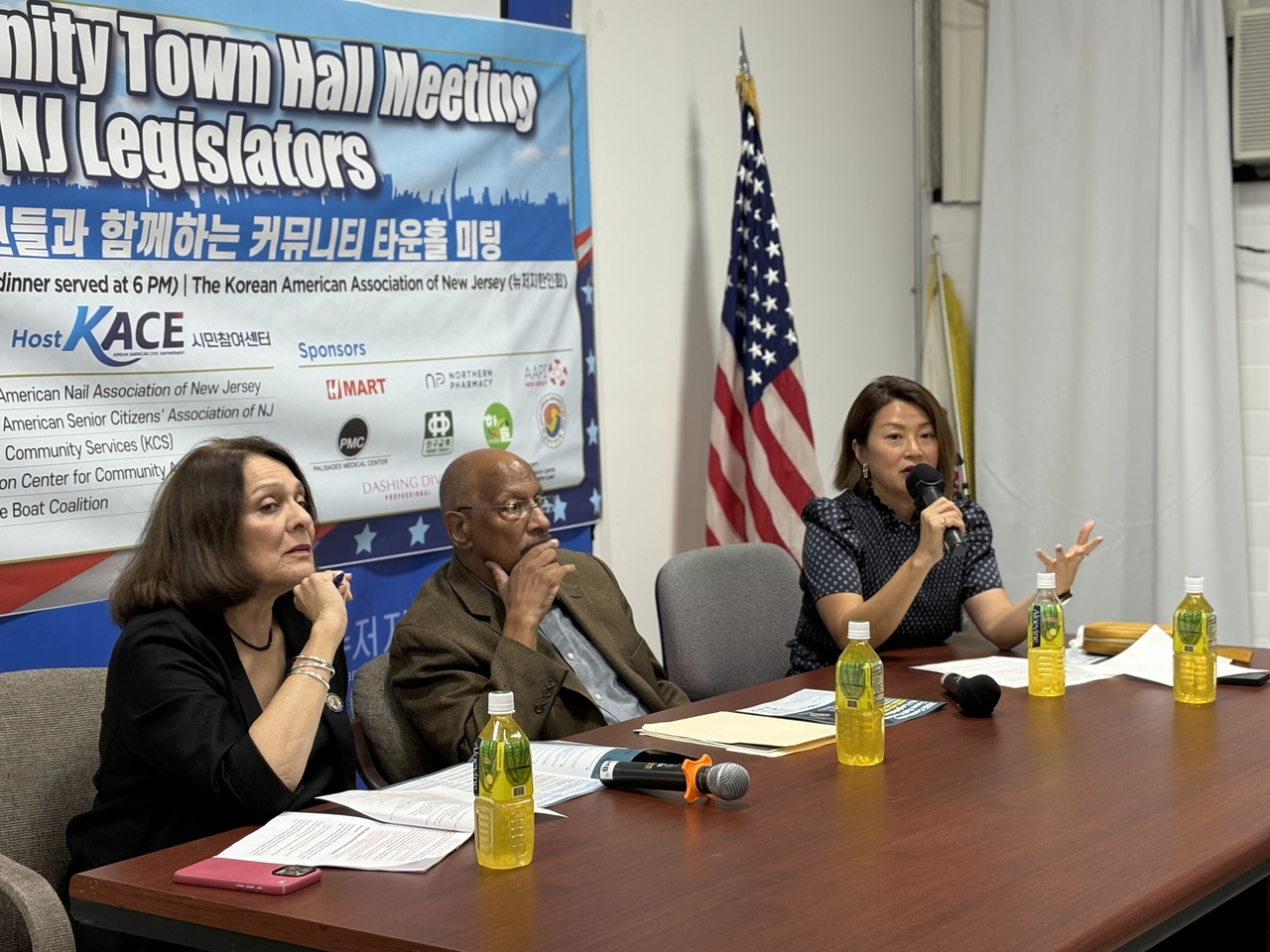
Despite her rise, Park said political representation remains a challenge. As the only East Asian member of New Jersey's 120-member Legislature, she emphasized it is paramount that Korean Americans translate their growing population into greater electoral participation and political influence.
Turning community presence into political power
Park asserted that Korean Americans must become more active in American politics rather than focusing predominantly on political developments in South Korea.
"I think Koreans in America feel very strongly about Korean politics," she said. "They're not that involved in American politics."
She said greater voter participation, political education and financial support for candidates were essential if Korean Americans hoped to exercise influence beyond their own communities. Park also discussed the importance of building coalitions with other Asian American groups, including Indian American lawmakers, rather than approaching political representation solely along ethnic lines.
The assemblywoman noted that younger Korean Americans were increasingly entering politics, citing Andy Kim's rise as evidence of a generational shift.
For Park, the objective is not merely to elect more politicians of Korean descent, but to ensure that Korean American communities can influence the policies affecting their businesses, families and broader interests.
That extends to the US-South Korea alliance.
Asked about tensions in bilateral security relations under US President Donald Trump, including disputes over defense cost-sharing, Park acknowledged that US relations with South Korea and other countries had undergone significant changes.
But rather than offering a detailed assessment of Washington's security policies, she returned to the importance of political participation.
"Korean Americans need to really voice their opinion in America," she said, emphasizing that the community must act collectively to make itself heard. Her approach reflects a belief that the bilateral relationship cannot depend exclusively on decisions made by national leaders. It must also be reinforced through businesses, immigrant communities and elected representatives at the state and local levels.
Beyond K-pop: Teaching next generation about Korea
Beyond promoting Korean businesses, Park has championed legislative initiatives recognizing Korean culture and history, including Kimchi Day and commemorations of Korean veterans.
While welcoming the global popularity of K-pop, Korean food and beauty products, she stressed that younger generations should also understand the country's difficult history, from the 1910-45 Japanese colonial rule to its economic struggles and eventual transformation into a global powerhouse.
"I was born in Korea. I came to the United States. I'm not born in the US," she said, noting that her children, who have only experienced modern South Korea, struggle to imagine the hardships earlier generations endured.
Park said her recent economic delegation also sought to introduce American policymakers and business representatives to South Korea's industrial capabilities, with several participants expressing surprise at the sophistication and scale of Korean conglomerates.
"Korea is smaller than the US, significantly smaller," she said. "However, what we bring to the table is so much bigger than the size of our country."
Looking ahead, Park hopes to expand such exchanges, particularly involving smaller Korean companies and emerging industries, while raising awareness of South Korea's economic importance across the United States.
"I want it to be all 50 states in America," she said, emphasizing her ambition to strengthen recognition of the mutual benefits of the US-South Korea partnership beyond New Jersey.
mkjung@heraldcorp.com