Seasonal work visas rose 49%, but entries by other temporary foreign workers fell 24%
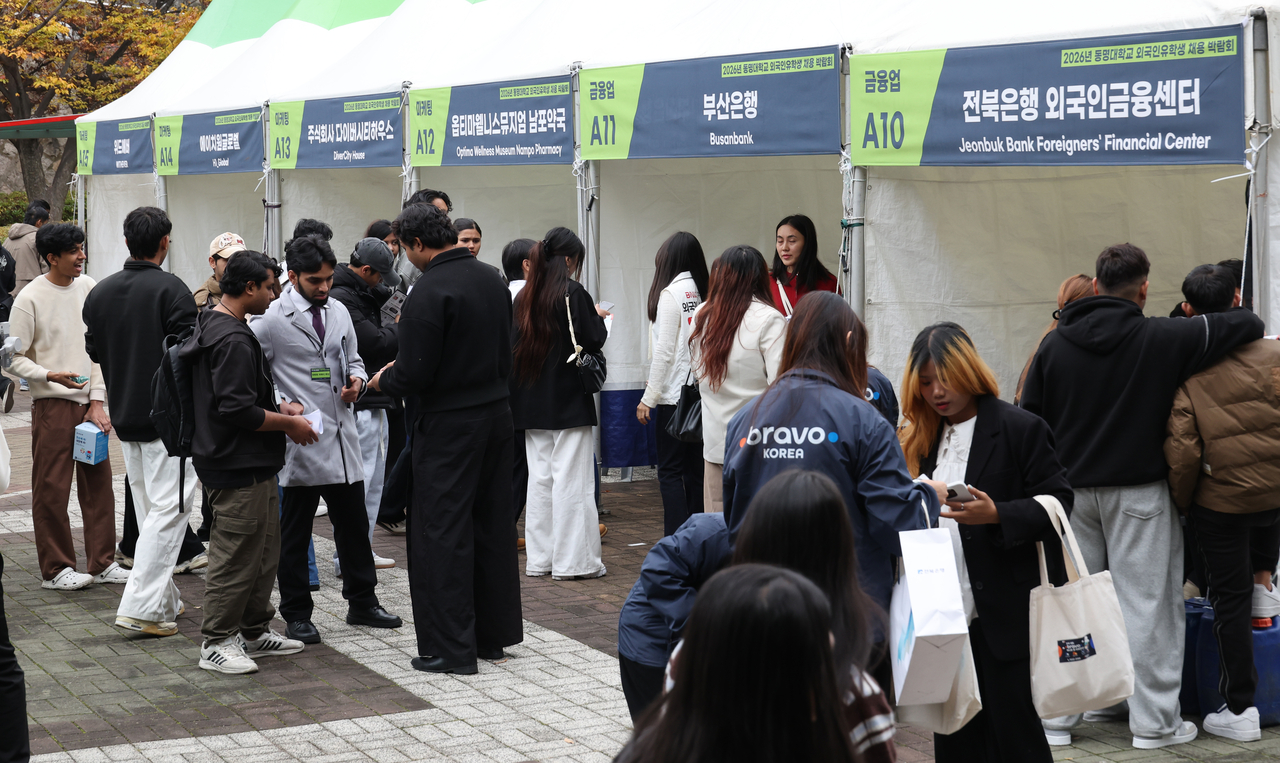
Long-term and permanent migration to South Korea fell 11 percent in 2025, even as the country issued far more seasonal work visas for farms and fisheries, according to a new OECD report.
The Organisation for Economic Co-operation and Development counted 67,000 new long-term or permanent migrants in South Korea last year, down from 75,600 in 2024. The count includes people who changed their immigration status while already in the country.
South Korea’s figure was 8 percent below its 2019 level. Across the OECD, permanent migration fell 1.6 percent from a year earlier but remained 12.5 percent above its pre-pandemic level, according to the International Migration Outlook 2026, released Thursday. Canada and the United States also recorded sharp year-on-year declines, but both remained above their 2019 levels.
Family-related migration accounted for 25 percent of South Korea’s new long-term and permanent migrants, while labor migration accounted for 14 percent and humanitarian migration for 0.1 percent.
Seasonal work visas rise as other temporary entries fall
South Korea issued nearly 70,000 seasonal work visas in 2025, up 49 percent from about 47,000 a year earlier. The increase far outpaced the 3 percent rise across OECD countries covered by the tally.
Entries by other temporary foreign workers fell 24 percent to 76,600, putting them 27 percent below their 2019 level.
“The decline reflects reduced demand under the Employment Permit System, particularly under the E-9 visa for unskilled employment,” the OECD said.
The government cut its E-9 quota for a second straight year, from 165,000 in 2024 to 130,000 in 2025 and 80,000 in 2026.
The Justice Ministry, meanwhile, raised this year's allocation for seasonal workers in agriculture and fisheries to 117,113 after an additional round of allocations, up from 95,596 last year.
The report also counted about 63,000 permits issued to international students in higher education and 45,000 permits issued to trainees in South Korea last year.
About 2 million people living in South Korea in 2025 were born abroad, accounting for 4 percent of the population.
The foreign-born population had grown 87 percent since 2015. Some 42 percent were born in China, followed by 13 percent in Vietnam and 4 percent in Uzbekistan.
minsikyoon@heraldcorp.com