Lenders maintain capital discipline while facing competing demands from shareholders, policymakers
South Korean banks are shifting their focus from aggressive growth to capital efficiency and higher-quality earnings, helping them maintain strong credit profiles despite rising shareholder payouts and government pressure to expand corporate lending, according to Fitch Ratings.
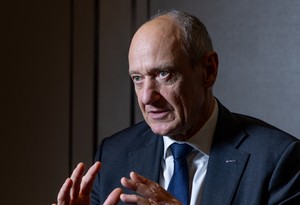
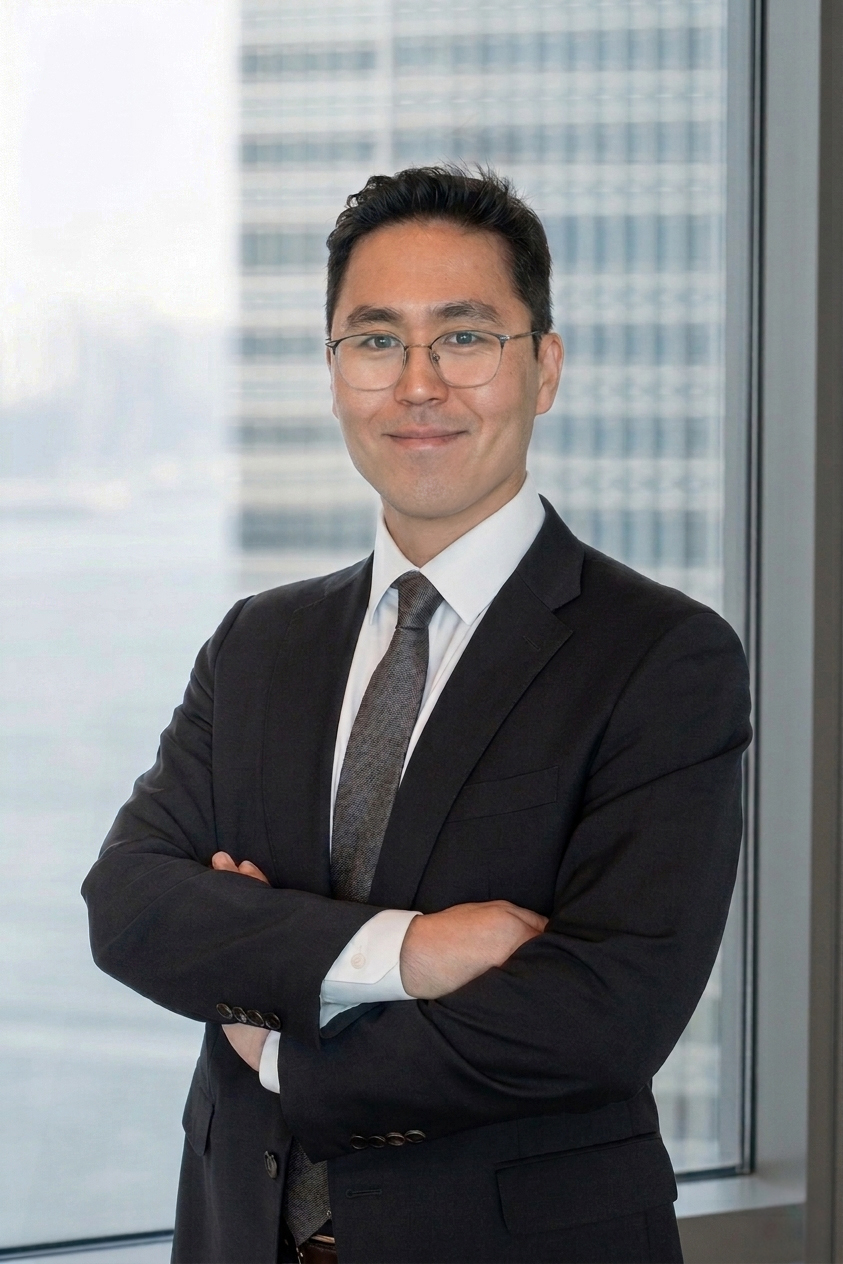
"Competition used to focus more on market share and the size of earnings. Now, banks are placing greater emphasis on the quality of earnings," Matt Choi, a director in Fitch's Financial Institutions Group, said in an interview with The Korea Herald.
The shift comes as major Korean financial groups report strong earnings while expanding dividends and share buybacks. KB, Shinhan, Hana and Woori Financial Group posted a combined 17.1 trillion won ($12.5 billion) in net profit for the first nine months of 2026, up 8.2 percent from a year earlier.
Banks are also paying closer attention to returns on risk-weighted assets when deciding which borrowers to finance, favoring creditworthy companies even at lower lending margins.
Choi said the growing emphasis on capital efficiency has helped banks respond cautiously to the government's productive finance initiative, which seeks to redirect funding from household and real estate lending toward businesses and strategic industries.
"We had some concerns when the policy was first introduced. But so far, banks appear to be maintaining prudent lending practices while responding to the government's policy push," he said.
Major banks recorded loan growth of around 3 percent through the third quarter, with much of the increase concentrated among large corporations, according to Choi. The modest growth suggests banks have maintained a cautious approach to lending even as the government pushes for more corporate financing.
Competition for creditworthy corporate borrowers has intensified, however, putting downward pressure on lending rates. Net interest margins at all four major commercial banks narrowed in the third quarter, with declines ranging from 0.02 to 0.07 percentage point from the previous quarter.
"For now, we don't see productive finance putting significant pressure on banks' overall lending practices or credit quality," Choi said.
The cautious approach comes as Korean financial groups pursue increasingly ambitious shareholder return policies, supported by robust earnings and stronger capital management.
KB Financial executed about 1.3 trillion won in shareholder returns through buybacks and cash dividends in the third quarter.
While greater distributions are inherently negative for creditors because they reduce capital available to absorb losses, Choi said financial groups have increasingly established minimum capital thresholds to guide payouts.
"What gives us some comfort is that financial groups have become more disciplined about maintaining minimum capital ratios and distributing the excess," he said.
Major financial groups generally aim to maintain common equity Tier 1 ratios of at least 13 percent, a level Fitch considers consistent with their current credit ratings. The four largest groups reported CET1 ratios ranging from 13.45 percent to 13.8 percent at the end of September.
A departure from that capital discipline, however, is the thin line that must be watched for, Choi warned. "If a bank lowers its capital target from 13 percent to 12.5 percent, or increases lending to riskier sectors to boost shareholder payouts, that would certainly be credit-negative," he said.
The local government's extensive involvement in banking also cuts both ways. Regulatory scrutiny and policy demands constrain profitability, but state-backed financing and oversight help contain credit risks, Choi said.
Policy lenders, including the Korea Development Bank, Export-Import Bank of Korea and Industrial Bank of Korea, account for more than one-fifth of the banking system's credit, helping absorb risks that might otherwise fall more heavily on commercial banks.
The banks' resilience has also come under scrutiny following a wave of cyberattacks across the financial sector. Regulators said Thursday that 37 financial firms had reported security incidents since late September, exposing about 473,000 records.
Choi said the breaches had not warranted rating changes, as they largely affected supporting or external-facing systems rather than core banking operations. More serious damage to risk management, finances or customer confidence could prompt a reassessment, however.
Meanwhile, third-quarter earnings highlighted growing competition for deposits. Household savings have yet to recover from earlier outflows, while corporate deposits declined in September, partly due to tax payments.
Choi said the funding pressure did not appear structural and could ease next year, though liquidity may remain tighter than during the low-interest-rate period.
Looking ahead, Fitch expects Korean banks to deliver broadly stable earnings in 2027, comparable to this year's levels, barring major changes in interest rates or economic conditions.
The more persistent concern lies with financially vulnerable borrowers, Choi said.
"We had expected loan delinquency rates to stabilize this year. But with interest rates remaining high and the economy increasingly divided between strong and weak sectors, delinquencies among vulnerable borrowers have continued to rise," Choi said.
Semiconductor-led growth has benefited stronger industries while weaker sectors continue to struggle. The delinquency rate on small and medium-sized enterprise loans reached 1 percent in August, compared to 0.69 percent for overall bank lending, according to the Financial Supervisory Service.
Government financing support and restructuring efforts, particularly in troubled industries such as petrochemicals, have helped contain losses. Credit costs could rise next year, Choi said, but are unlikely to substantially erode bank earnings.
"Risks facing vulnerable SMEs and self-employed borrowers could persist longer than we expected at the end of last year," Choi said. "But for the banking sector as a whole, we still see those risks as manageable."
jwc@heraldcorp.com