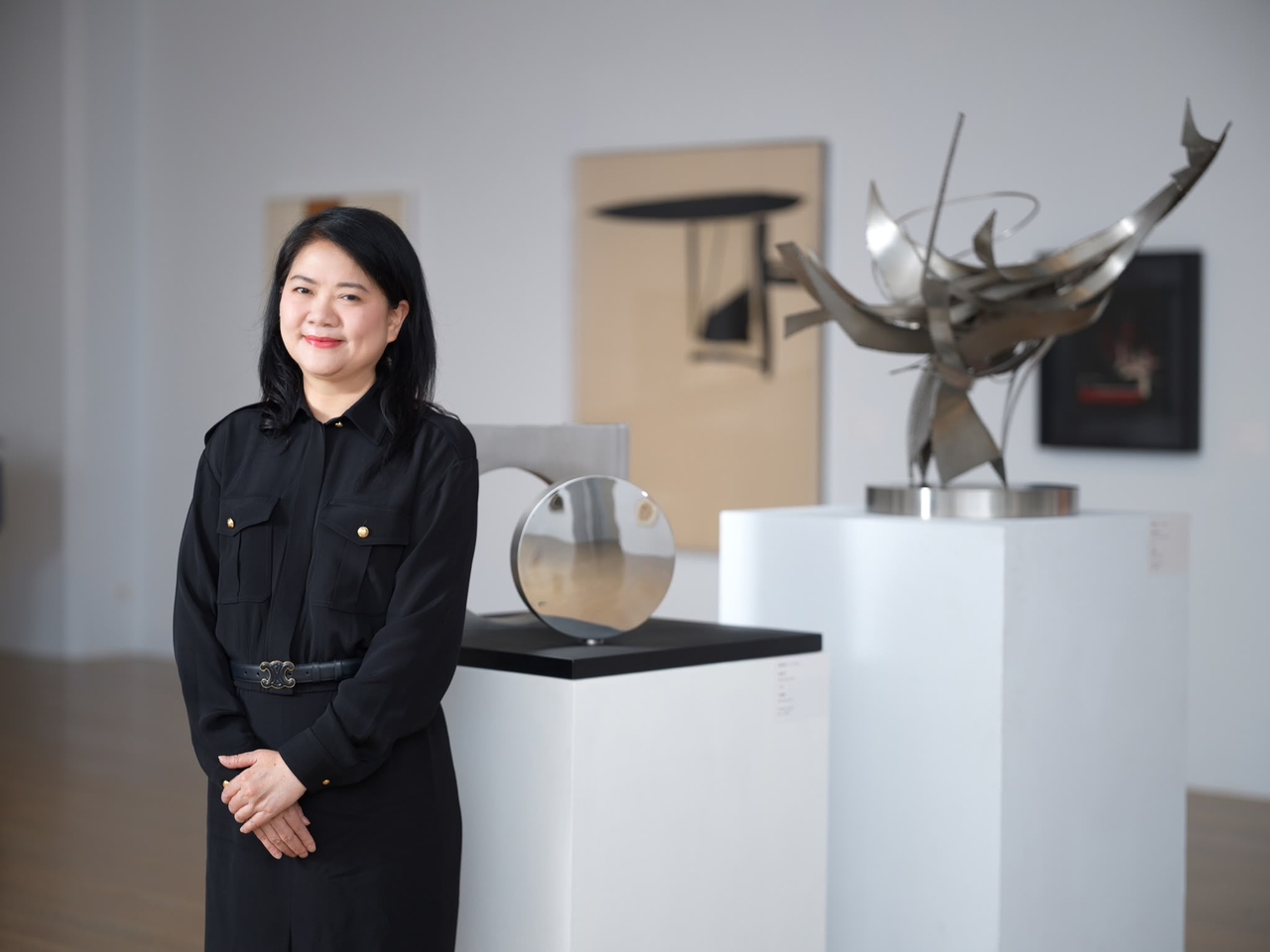
Taiwan Art Gallery Association Chair Claudia Chen discusses Korean galleries, local collectors, ambitions to connect Asia's art markets
Korea Herald correspondent
TAIPEI, Taiwan — As Korean galleries expand their presence at Art Taipei, Claudia Chen, chairperson of the Taiwan Art Gallery Association, is seeking to connect Asia's art markets through exchanges among collectors, believing that greater exposure to different artists and art communities can help cultivate new buyers.
To that end, Chen has helped develop The Collector Circle, an initiative connecting Art Taipei, Kiaf Seoul and Art Jakarta through exchanges among collectors.
"We bring collectors to different fairs. Taiwan brings collectors to Kiaf, and Kiaf brings their collectors here," she said in an interview with The Korea Herald at Art Taipei on Oct. 30.
The exchanges have already led to purchases by collectors who had previously been unfamiliar with participating markets.
"Some Taiwanese collectors went to Korea and started getting to know Korean artists. They started buying their first piece of Korean work," Chen said.
She described similar experiences with Indonesian art, where collectors began purchasing works after discovering artists through Art Jakarta.
"The Collector Circle is very important for collectors to know each other's cultures and better understand each other's art communities and ecosystems," she said.
Chen has also received inquiries from Japan and Singapore about joining the initiative, potentially expanding the network across Asia.
Her ambition comes as Korean galleries expand their presence at Art Taipei. South Korea was the fair's largest source of overseas exhibitors this year, with 25 galleries participating, up from 15 in 2025 and fewer than 10 in 2024. Before the COVID-19 pandemic, only three Korean galleries took part.
Chen attributed the rapid growth partly to Taiwan's substantial and stable collector base, but cautioned that Korean galleries need to better understand how local buyers approach unfamiliar artists.
"Taiwanese collectors are still not very familiar with Korean art and Korean galleries," Chen said. "They don't buy very quickly. They need to study, they need to learn."
She recommended providing Chinese-language materials explaining artists' achievements, artistic development and the value of their works, allowing collectors to assess their long-term potential.
"They need to prepare more detailed and comprehensive information and materials about the artists," Chen said.
"Taiwanese collectors don't just collect art. They really need to know the value and why the work is sustainable," she added.
Still, Chen sees encouraging signs. At gatherings during this year's fair, young Taiwanese collectors expressed enthusiasm for Korean galleries, while growing local media coverage has helped introduce Korean artists to wider audiences.
Learning from the world
Chen's ambition to connect Asian art markets draws on more than three decades of experience as a gallery owner.
She founded Liang Gallery at 22 and became chairperson of the Taiwan Art Gallery Association in December 2023.
Her gallery has participated in major international fairs, including Art Basel Hong Kong, where it presented a solo exhibition of Taiwanese artist Chen Cheng-po during its first appearance in 2015.
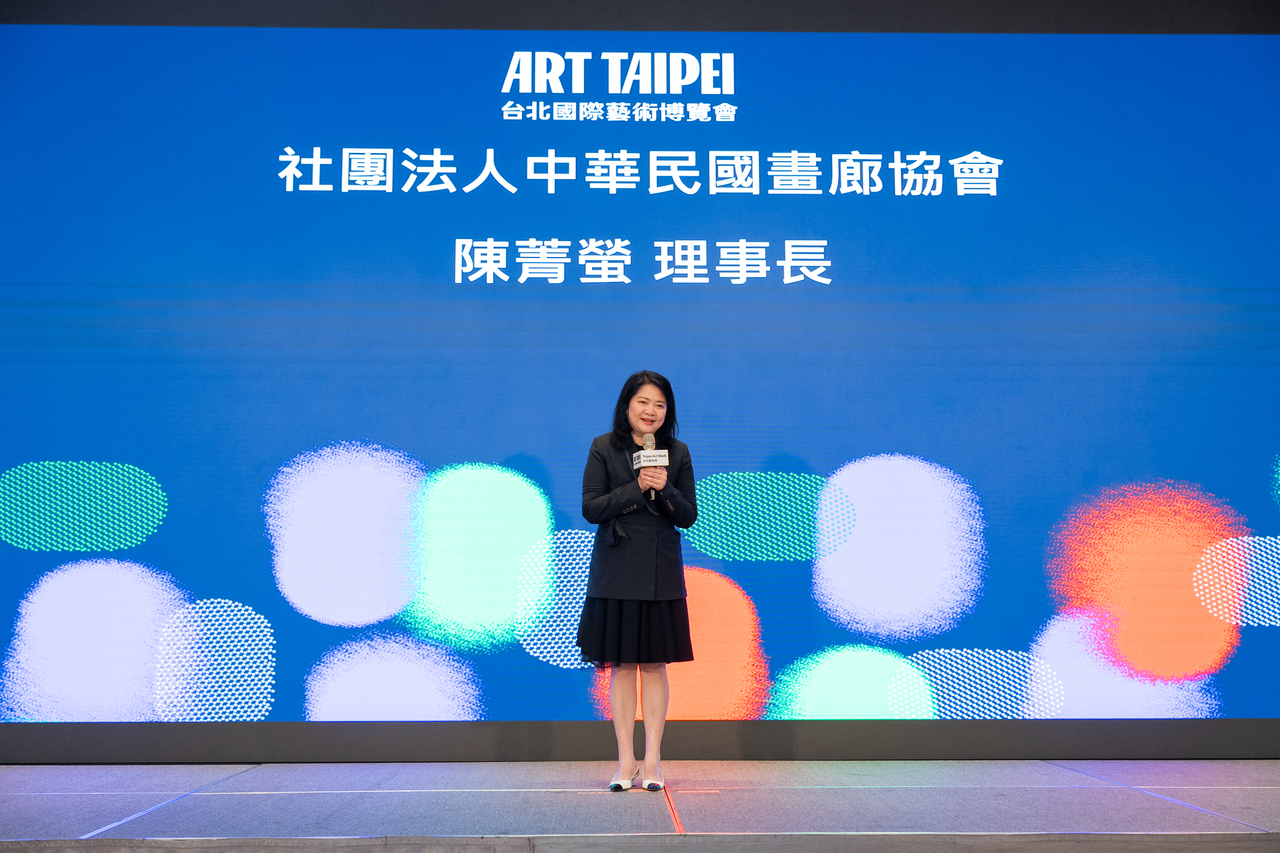
Chen has also spent years visiting international fairs to study how organizers attract collectors, promote artists and develop commercial models that could benefit Taiwanese galleries.
"I put a lot of effort into learning how these organizers organize their art fairs and how to bring these commercial formats or models back to Taiwan," she said.
Those experiences helped shape her efforts to strengthen Taiwan's international art presence, particularly as competition among art fairs intensifies.
"There's a lot of competition in the art world. That's why three years ago I founded Taipei Art Week," Chen said.
The initiative connects Art Taipei with exhibitions and events at galleries and museums throughout the city, encouraging international visitors to explore Taiwan's broader art scene rather than limiting their experience to the fairgrounds.
The next generation
Another priority is attracting younger collectors, particularly those benefiting from Taiwan's thriving technology industry.
Chen believes the country's semiconductor and electronics sectors have created a generation of prospective buyers with considerable purchasing power.
"These young collectors actually have a lot of money, maybe more than younger collectors in other places, to purchase work," she said.
But she recognizes that wealth alone does not necessarily translate into an interest in collecting art.
To reach these potential buyers, Art Taipei has expanded its social media outreach and organized activities connecting galleries with businesses from other industries, encouraging younger audiences to experience artworks firsthand.
Technology is also influencing the fair's artistic direction. Under this year's theme, "Symbiosis," Art Taipei explored the relationship among humanity, technology and society, with digital and new media art among its areas of focus.
"We want audiences to come and appreciate digital art and new media art," Chen said.
jaaykim@heraldcorp.com