In upcoming documentary, Deann Borshay Liem, co-executive producer of Emmy-winning 'A.K.A. Don Bonus,' traces six mixed-race adoptees’ searches for family amid racial prejudice, limited welfare support
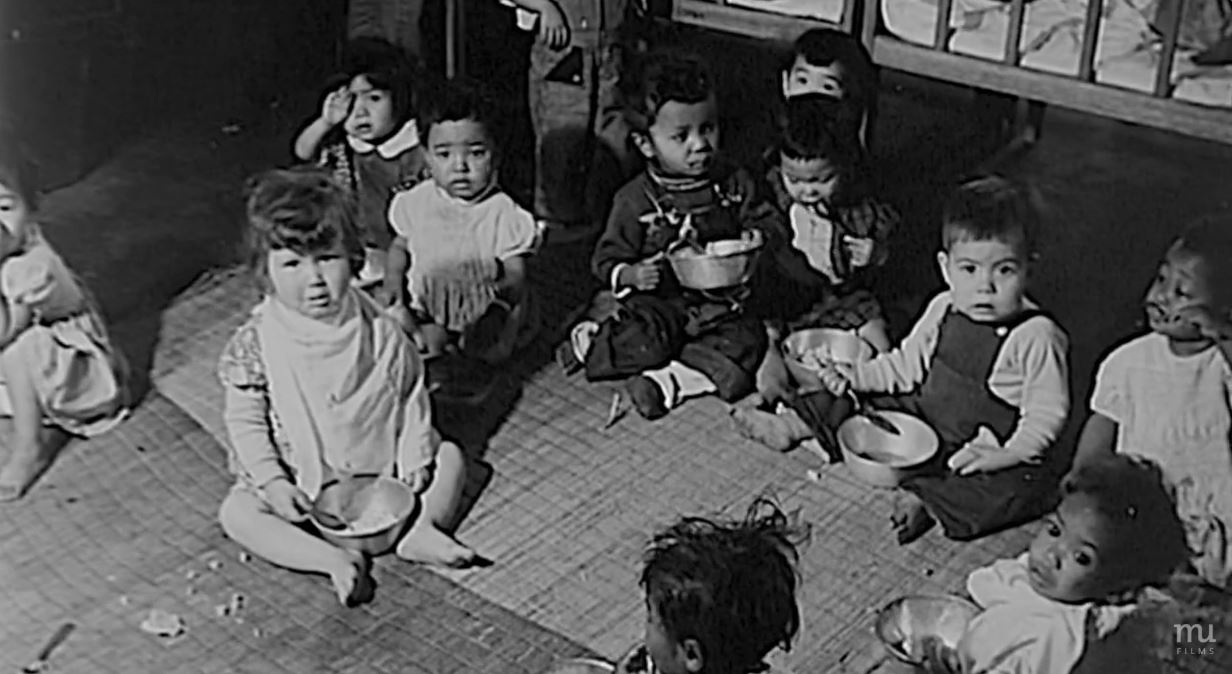
Lisa Jackson was bullied for her mixed-race background. Her mother gave her up for adoption, then spent years waiting for her daughter to return.
Jackson’s story is one of six in "Relative Strangers," a documentary by Deann Borshay Liem. The film follows people of mixed heritage who were adopted overseas as children as they search for their original families and encounter fabricated records, racial discrimination and evidence of a system that kept international adoptions going at almost any cost.
In a written interview with The Korea Herald, Liem discussed what the adoptees’ experiences reveal about South Korea’s overseas adoption program and the society that sustained it.
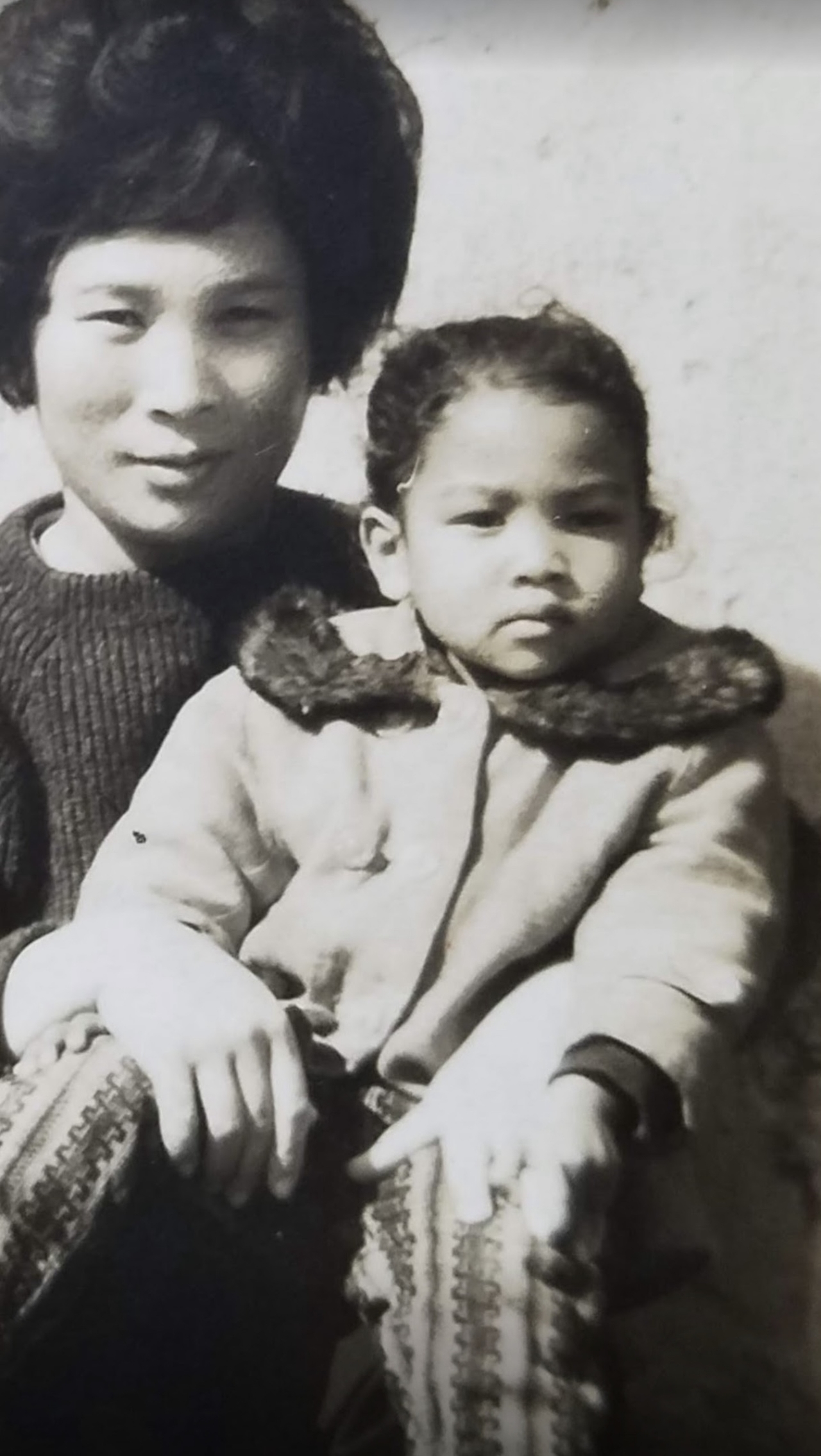
“The bullying eventually led to the heartbreaking decision by her Korean mother to relinquish her for adoption. In this case, as in many others, Lisa was not an 'orphan,' but a beloved daughter,” Liem said.
By the time Jackson returned to Korea to reunite with her mother, her mother had died. She had never remarried or had another child, and had lived in the same village for years, apparently waiting for her daughter to come home.

Adoption as a substitute for welfare support
South Korea has sent more than 200,000 children abroad for adoption over several decades. Liem said the program began with mixed-race children in the 1950s and later expanded to include more full Korean children.
“The individuals featured in 'Relative Strangers' represent some of the early adoptions that took place in the 1950s, 1960s and early 1970s. In these latter years, there was a shift from mixed-race children to full Korean children being sent for adoption and, in the absence of government support for single parents and their children, international adoption became a huge business,” the director said.
Liem said the government’s desire to reduce social welfare costs was one reason the program expanded.
A 2025 report by the Truth and Reconciliation Commission found that the government had prioritized overseas adoption as a cost-effective alternative to strengthening domestic child welfare.
The report documented human rights violations in 56 of 367 cases examined. It also found that adoption agencies falsified records, including by listing children with living parents as orphans and switching children’s identities.
Liem said the government sent children abroad through adoption agencies instead of supporting single parents and their children.
“As the country’s economy grew in the 1970s, instead of using its increased wealth to support children and families in need, the government promoted overseas adoptions. Orphanages and adoption agencies operated like private enterprises, virtually unregulated. And adoption documents were routinely rubber stamped by government officials,” Liem said.
The program’s growth also coincided with rising demand for babies in Western countries. As abortion became legal in the United States and American society grew more accepting of children born outside marriage, the number of white infants available for adoption fell.
“Increasingly, childless couples looked elsewhere, with children from Korea becoming the most popular alternative,” the director said.
Liem said some social workers in the early years questioned why Korea could not integrate a few thousand mixed-race children.
“Some social workers in the early years expressed concerns about sending Korean children overseas and asked what kind of country is South Korea if it cannot incorporate a few thousand mixed-race children? If the government had made some policy changes and taken steps to integrate these children, the outcome would have been quite different,” Liem said.
Records that obscured original families
The adoptees featured in "Relative Strangers" found multiple irregularities in their records, including fabricated documents and discrepancies in birth dates and parents’ names. Some had been falsely described as orphans, Liem said.
“Parental consent is often missing. Names are sometimes fabricated. Or, in many cases, there is a complete absence of information, making the possibility of searching for and finding original family members an impossibility,” she said.
The adoptees’ experiences show that some practices that became widespread in later years were already being used in the 1950s, Liem said.
One person featured is Tanne, a Dutch woman adopted from Korea as an infant who spent more than three decades searching for her original parents.
Her adoption papers named an American serviceman, David Pullman, as her father. When she eventually found her biological father, his name was completely different.
“David Pullman is a ghost. I couldn’t find him because he doesn’t exist.” Tanne was quoted by Liem as saying. “I think the documents were made by someone so that I would never be able to find my real family. They didn’t want us to come back and find the truth.”
Liem herself discovered that her identity had been switched with another child’s before she was adopted overseas.
She explored the case in her 2010 documentary "In the Matter of Cha Jung Hee." Her search for the truth about her adoption has also shaped her other work, including her first film, "First Person Plural."
"Relative Strangers" is her latest film about the adoption program. Liem gained international recognition as an executive producer of the Emmy-winning documentary "A.K.A. Don Bonus" in 1995.
An apology, and what must follow
The TRC investigation, which is ongoing, and adoptees’ accounts point to abuses that went beyond the falsification of records. Liem said many adoptees experienced physical and sexual abuse.
“From reading the TRC report, and from my own conversations and interviews with adoptees, it’s clear that many adopted Koreans have been subject to a variety of human rights abuses, including physical and sexual abuse,” Liem said, urging policies to prevent future harm and a thorough probe to hold those responsible to account.
Korea has said it will phase out overseas adoptions by 2029. Liem said the government should act sooner.
“Previous administrations dating back to (former President) Park Chung-hee also pledged that international adoptions would end. Why not end it now?
“President Lee Jae Myung apologized to all adoptees and their original families on Facebook in October 2025. But an apology is not enough. There needs to be governmental accountability and concrete actions to repair historical wrongs and prevent harm for future generations,” she said.
The documentary "Relative Strangers" is in the final stages of production, as Liem works to raise additional funds to finish the project.
minsikyoon@heraldcorp.com