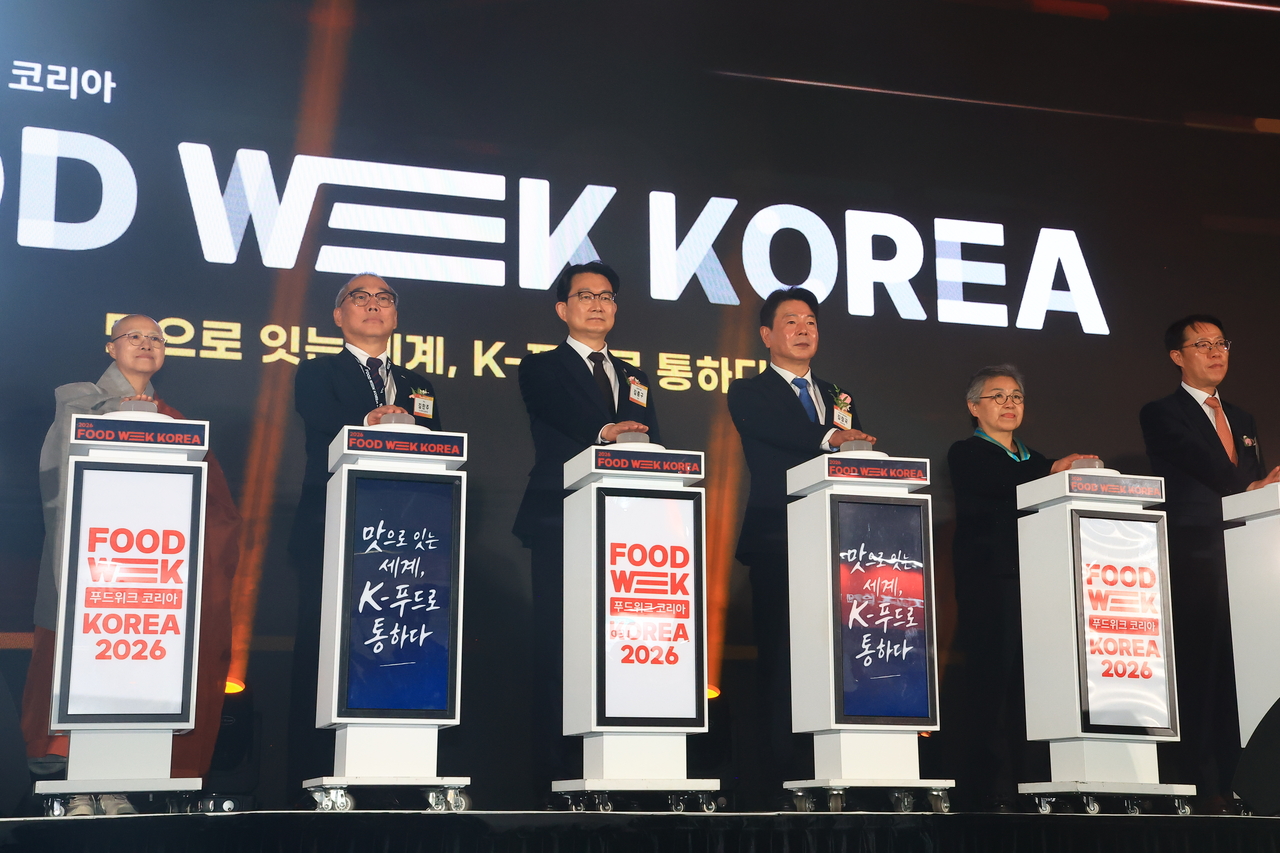
Food Week Korea 2026 opened Wednesday in Seoul, bringing together about 1,000 food companies and 252 international buyers, as organizers seek to turn the consumer-oriented exhibition into a global business platform for Korean food exports.
The four-day event runs through Saturday at Coex in southern Seoul. Organizers described this year’s exhibition, featuring 1,800 booths and participation from 46 countries, as its largest edition yet.
The expanded business program reflects a shift toward connecting Korean producers with overseas distributors and retailers. About 500 Korean food companies are participating in export consultations, with buyers including Spanish supermarket chain Mercadona and Japanese food distributor Kobe Bussan.
The program includes one-on-one meetings and the BKF+ export consultation event, intended to help Korean companies enter international markets. A three-party memorandum of understanding aimed at expanding exports of fresh agricultural products, including strawberries, is also planned.
Exhibitors are promoting halal- and vegan-certified products, organic processed foods and traditional Korean alcoholic beverages. A live presentation built around a “K-jumak” concept, drawing on Korea’s traditional tavern culture, is also part of the program.
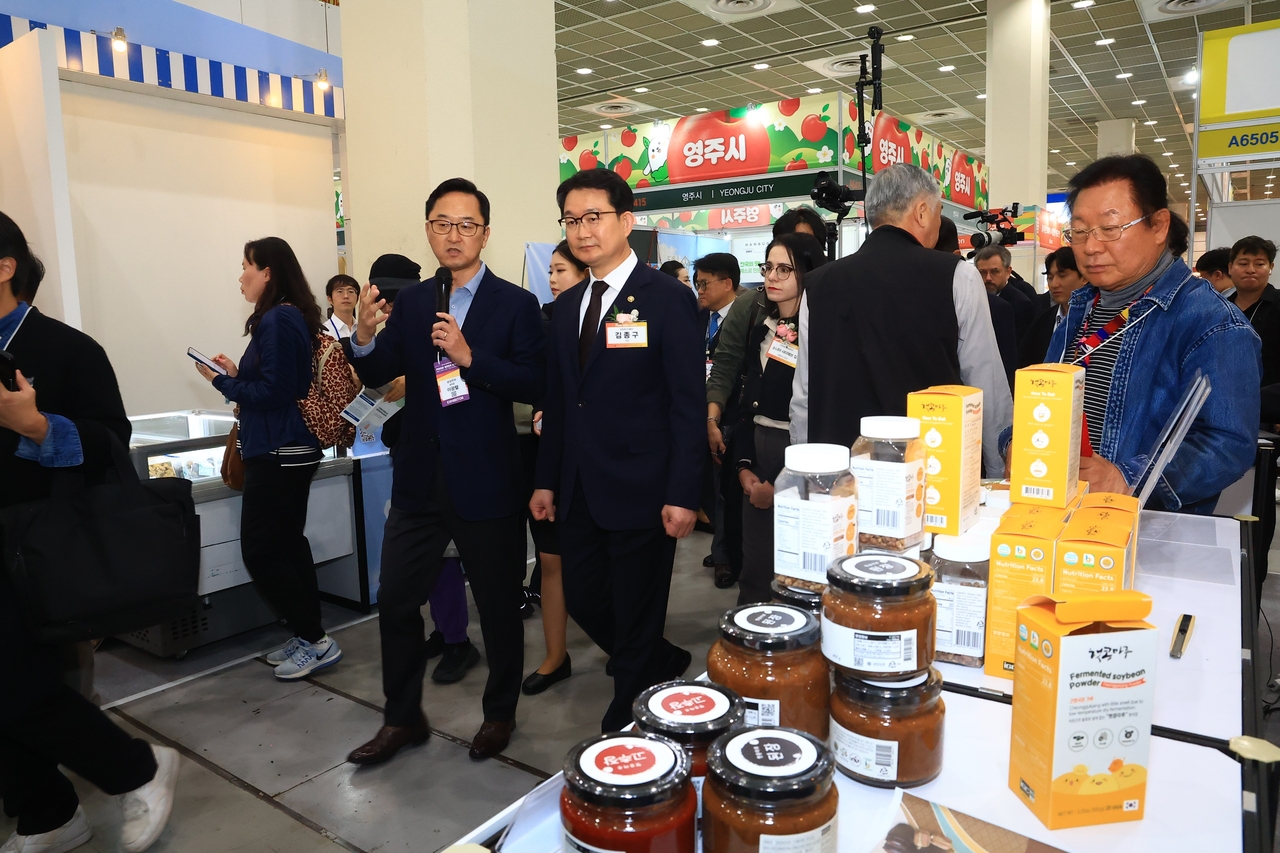
Food technology is another major focus, with displays of artificial intelligence, automated production systems, logistics tools, cooking robots and smart kitchen appliances. Exhibits include companies supported by Samsung Electronics’ smart factory program, as well as foods designed for people with special dietary or medical needs.
At the opening ceremony, Kim Jong-gu, vice minister of agriculture, food and rural affairs, said the exhibition would help Korean companies expand internationally while showcasing technological changes in the industry.
He pledged continued policy support and communication with businesses to strengthen the global position of Korean food and improve the industry’s competitiveness.
The ceremony also featured a 3D virtual reality drawing performance depicting the industry’s development from traditional cuisine to advanced food technology and international collaboration.
Buddhist monastic and temple cuisine specialist the Ven. Seonjae delivered a keynote address on sustainability and the value of food, discussing the direction of food culture and production amid the climate crisis.
Organizers also recognized 31 people for contributions to the food and restaurant industries. Cho Hee-sook, head of Hansik Gonggan, received the Silver Tower Order of Industrial Service Merit for preserving and developing traditional Korean cuisine and training culinary professionals.
Other honorees were recognized for work in contract farming, agricultural marketing, cooperation with domestic chicken producers and the preservation of traditional liquor-making techniques. The awards included seven presidential commendations.
Additional events during the exhibition include a forum on 2027 food and dining trends, an international conference on Korea’s national food cluster, a symposium on food technology standards and seminars on vegan and halal certification.
shinyb@heraldcorp.com