
As exports surge, manufacturers clash over easing regulations and protecting critical industrial know-how
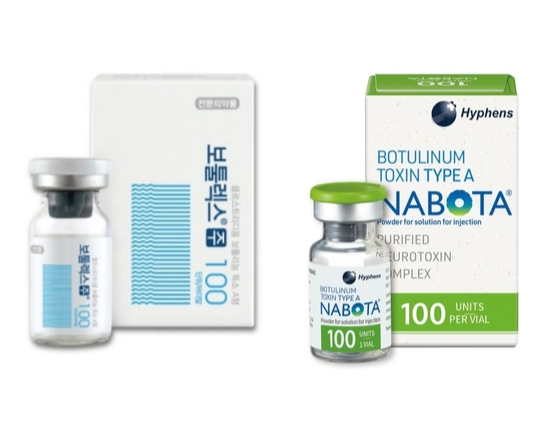
A growing rift is emerging in South Korea's booming botulinum toxin industry over whether to lift government protections on its manufacturing technology, pitting companies seeking faster overseas expansion against those warning that deregulation could expose valuable industrial know-how.
The dispute comes as Korean botulinum toxin exports continue to surge, rising from $223 million in 2022 to $420 million in 2025. Exports are projected to exceed $500 million for the first time this year.
Botulinum toxin, more commonly known by brand names such as Botox, is a neurotoxin that temporarily blocks signals between nerves and muscles and is usually used in aesthetic treatments to soften wrinkles and fine lines.
At the center of the controversy is the government's designation of botulinum toxin production technology as a national core technology, or NCT, which subjects certain overseas transfers and foreign investment transactions to regulatory scrutiny.
Korea designated botulinum toxin production technology as an NCT in 2010 and added toxin-producing strains in 2016. The designation requires manufacturers to undergo government review for certain overseas technology transfers, foreign investments and cross-border mergers and acquisitions.
The push for deregulation gained momentum in 2023, when Daewoong Pharmaceutical began calling for the designation to be removed.
Industry support for the move appears to be growing. At a National Assembly seminar on Oct. 15, a survey showed that 14 of 17 responding domestic botulinum toxin companies, or 82.4 percent, favored removing the technology from the protected list.
Supporters argue that the restrictions have become an obstacle to global expansion, delaying licensing agreements, joint ventures, technology transfers and overseas manufacturing projects.
Government approval procedures can take four to six months, according to industry officials, who estimate that lost deals and delayed market entry cost the sector 90 billion won ($67 million) to 100 billion won annually.
At the October seminar, Choi Kyu-jin, an attorney at law firm D&A, argued that competitiveness in the global botulinum toxin market increasingly depends on manufacturing standards, regulatory expertise and brand recognition rather than access to bacterial strains or basic production technology.
Konkuk University professor Lee Seung-hyun has similarly argued that botulinum toxin manufacturing technology is now widely commercialized internationally and no longer warrants the same level of government protection.
But opponents of deregulation warn that removing the designation could weaken safeguards around sophisticated manufacturing processes that remain closely guarded trade secrets.
They argue that commercial production involves far more than obtaining naturally occurring bacterial strains or applying techniques described in scientific literature.
Cultivating strains, extracting and purifying toxins, stabilizing formulations and maintaining consistent product quality all require accumulated expertise that is not necessarily disclosed in patents.
The expiration of patents covering specific products or treatments, they say, does not mean the underlying manufacturing processes have become freely accessible.
"As AbbVie, the world's No. 1 (botulinum toxin) firm, keeps its key technologies tightly undisclosed to keep its technological lead, arguing for the removal of the (NCT) designation solely on the grounds of patent expirations or the natural occurrence of toxin-producing strains overlooks the technological complexities and risks involved," a botulinum toxin industry official said.
Concerns have also intensified following reports of counterfeit and unauthorized botulinum toxin products in the United States.
Korean manufacturers have identified cases involving products carrying their brand names or reaching overseas markets through unofficial distribution channels.
"Although the NCT designation does not directly regulate counterfeit medicines or illegal distribution, it provides a legal framework for preventing unauthorized overseas transfers of protected strains and manufacturing technology," the official said.
"Under the Industrial Technology Protection Act, unauthorized leakage of designated technology can trigger government investigations and criminal penalties."
The decision now rests with the Ministry of Trade, Industry and Energy, which is reviewing 79 designated national core technologies through expert committees, including those covering botulinum toxin production. A final date for the review has not yet been announced.
hwkan@heraldcorp.com