Battery-maker lifts full-year revenue outlook as North American energy storage orders accelerate and EV battery shipments recover
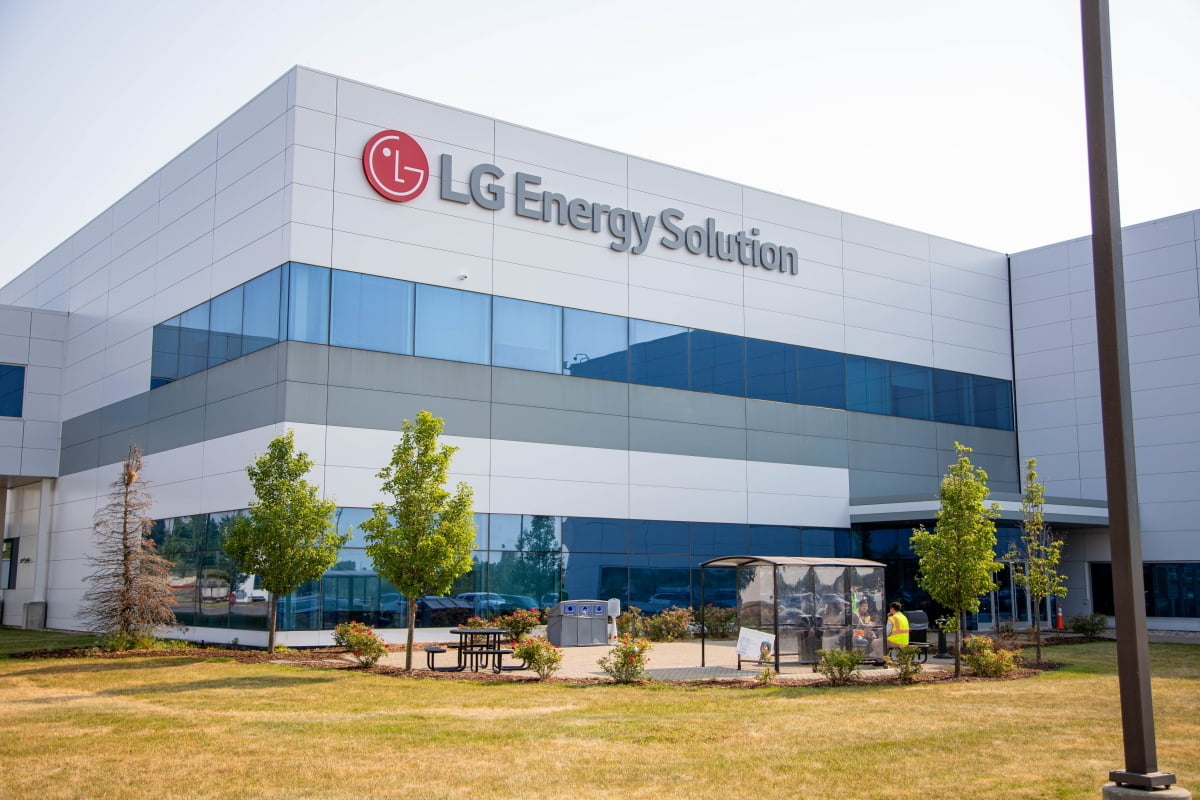
LG Energy Solution reported a 25.7 percent increase in third-quarter operating profit Tuesday, boosted by strong demand for energy storage systems in North America and recovering electric-vehicle battery sales, as the South Korean battery-maker raised its full-year revenue outlook.
The company posted an operating profit of 756 billion won ($564 million) for the July-September period, up 25.7 percent from a year earlier, according to its earnings release.
Excluding 416.9 billion won in US manufacturing tax credits under the Inflation Reduction Act, operating profit stood at 339.1 billion won, a sign that profitability in its core battery business is improving.
Revenue jumped 59 percent on-year and 27.6 percent from the previous quarter to a record 9.64 trillion won, driven by higher shipments of both energy storage and EV batteries.
“Third quarter revenue grew significantly on a sharp increase in ESS shipments, while both pouch type and cylindrical EV batteries recorded growth in their volume,” said Lee Chang-sil, chief financial officer of LG Energy Solution.
Lee also attributed the improved profitability to higher utilization rates at the company’s Polish plant, continued demand for cylindrical batteries and productivity gains at newly launched ESS manufacturing sites.
The results come as LG Energy Solution is focusing on energy storage batteries as AI data centers drive demand for reliable power, while its EV battery business continues to recover.
In the ESS segment, LG Energy Solution’s order backlog stood at approximately 160 gigawatt-hours at the end of September.
The company also secured its first direct battery energy storage system supply agreement with a major technology company, expanding its presence in the fast-growing AI data center market.
"We signed our first direct BESS supply agreement with a big tech company, strengthening our position in the AI data center market," said Lee during Tuesday's earnings conference call. "With discussions underway on new projects with multiple utilities and hyperscalers, we expect additional orders to continue into the fourth quarter.”
The company was also selected in September as the only South Korean battery manufacturer in Nvidia’s DSX Ready program, which supports the development of next-generation AI factories.
In EV batteries, the company secured another supply deal for its next-generation high-voltage mid-nickel batteries, strengthening its foothold in the European market.
Manufacturing operations also showed signs of recovery. In North America, LG Energy Solution launched additional ESS cell production lines and containerized system assembly facilities to boost local capacity.
Higher demand for cylindrical EV batteries and the resumption of operations at its joint venture with General Motors also helped lift overall factory utilization rates, the company said.
LG Energy Solution is stepping up efforts to localize its supply chain amid tighter US restrictions on battery materials linked to prohibited foreign entities, particularly Chinese suppliers.
In North America, LG Energy Solution plans to expand its ESS production capacity to more than 70 gigawatt-hours by the end of 2027, up from over 50 GWh targeted for the end of this year.
The expansion will include new prismatic battery production lines. The company also plans to complete final preparations for its Arizona plant, its first North American cylindrical battery manufacturing base, by the end of this year.
"Demand for locally produced ESS battery cells is rising rapidly in North America, driven by strong market growth and favorable policies for suppliers that meet non-prohibited foreign entity requirements," said Jung Jae-wook, executive in charge of ESS battery planning and management at LG Energy Solution.
"Most of our planned production capacity through 2028 has already been committed to customers," he added.
Buoyed by results that beat expectations, LG Energy Solution raised its 2026 revenue growth to 35-40 percent on-year. The revised outlook is sharply higher than its previous projection of growth in the mid-teens to around 20 percent announced earlier in the year.
sahn@heraldcorp.com