
German chancellor urges Europe, Indo-Pacific partners to deepen trade ties, counter protectionism amid geopolitical tensions
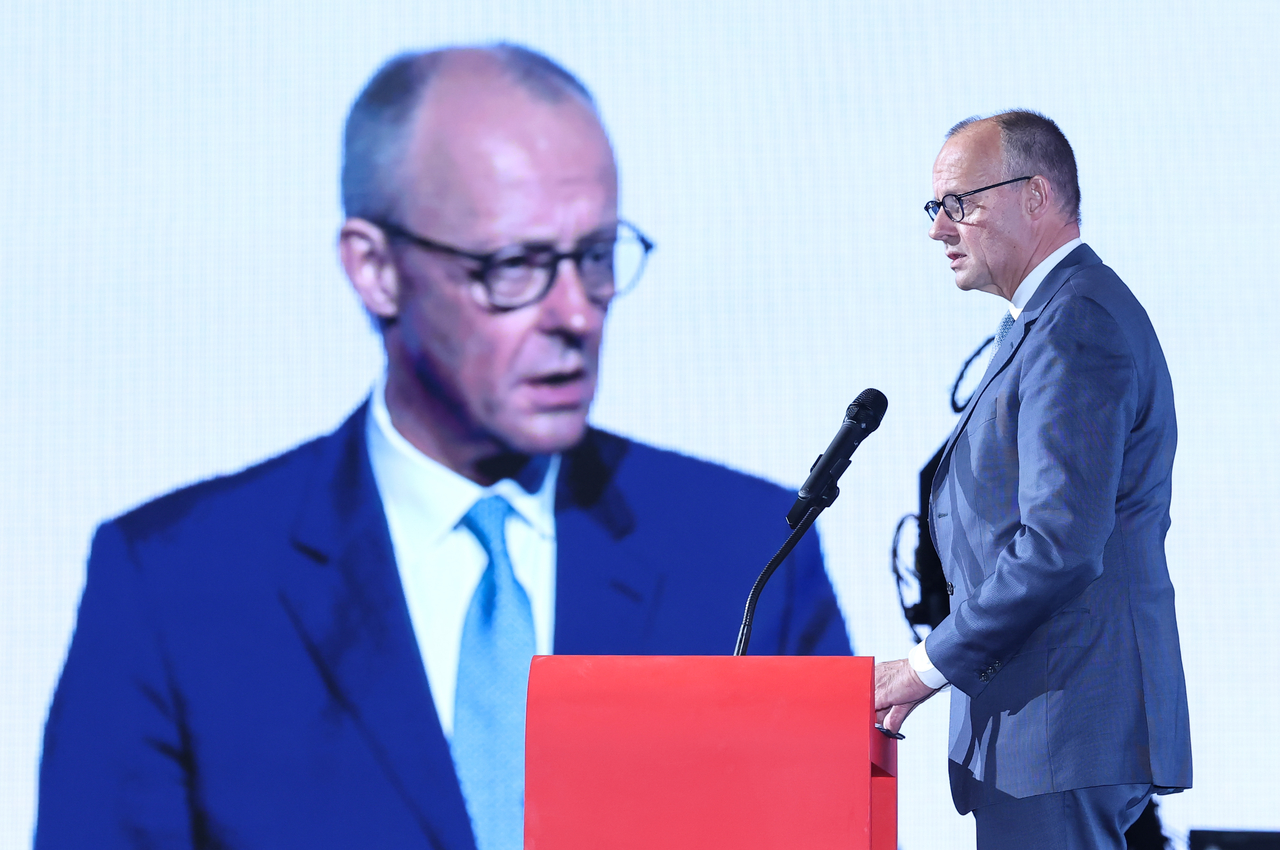
German Chancellor Friedrich Merz on Friday called for a global alliance of like-minded economies to defend rules-based trade, urging closer coordination between Europe and the Indo-Pacific as protectionism and geopolitical tensions threaten the international trading system.
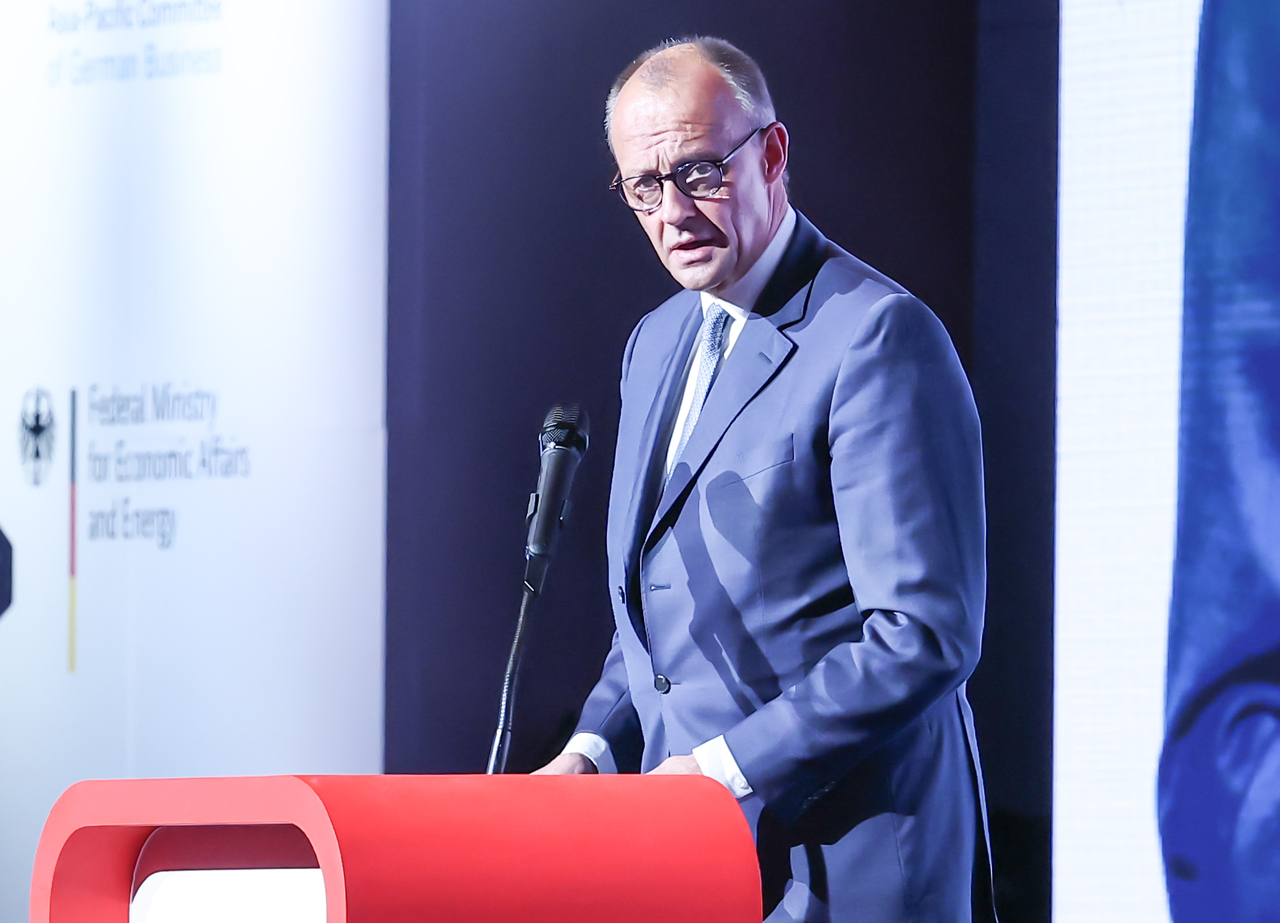
Speaking at the 19th Asia-Pacific Conference of German Business in Seoul, Merz proposed a political alliance to uphold global trade rules, strengthen the World Trade Organization and coordinate responses to violations.
“Trade agreements are essential for this,” Merz said. “At the same time, we must not forget that our global rules-based trading system also requires our political support.”
He urged countries to deepen trade ties, diversify supply chains and resist the use of economic dependence as political leverage, saying Germany and South Korea could play a leading role in building a network of reliable partners.
Merz called for closer alignment of bilateral trade agreements and a broader interregional pact linking supply and production chains. He backed dialogue between the European Union and members of the Trans-Pacific Partnership, alongside efforts toward an EU-ASEAN trade agreement.
The chancellor warned that an intensifying US-China rivalry, technology restrictions and competition for critical minerals were disrupting global business, while the conflicts in Ukraine and the Middle East threatened supply chains and shipping routes.
He stressed that Germany's push to diversify economic ties should not mean retreating from global trade.
“Diversification is the name of the game,” Merz said, adding that “derisking does not entail any kind of decoupling or new protectionism.”
Turning to bilateral cooperation, Merz highlighted a Korean-German high-tech framework agreement signed Thursday, saying the countries' similar industrial strengths offered significant opportunities for closer ties.
The agreement covers microelectronics, industrial AI and robotics, areas Merz identified as key to future competitiveness.
He singled out artificial intelligence as a major driver of economic growth, while stressing that its development depends on access to advanced semiconductors, critical raw materials and affordable, reliable energy.
herim@heraldcorp.com