

GBF speakers highlight global partnerships, practical AI adoption and the need to adapt to changing business conditions
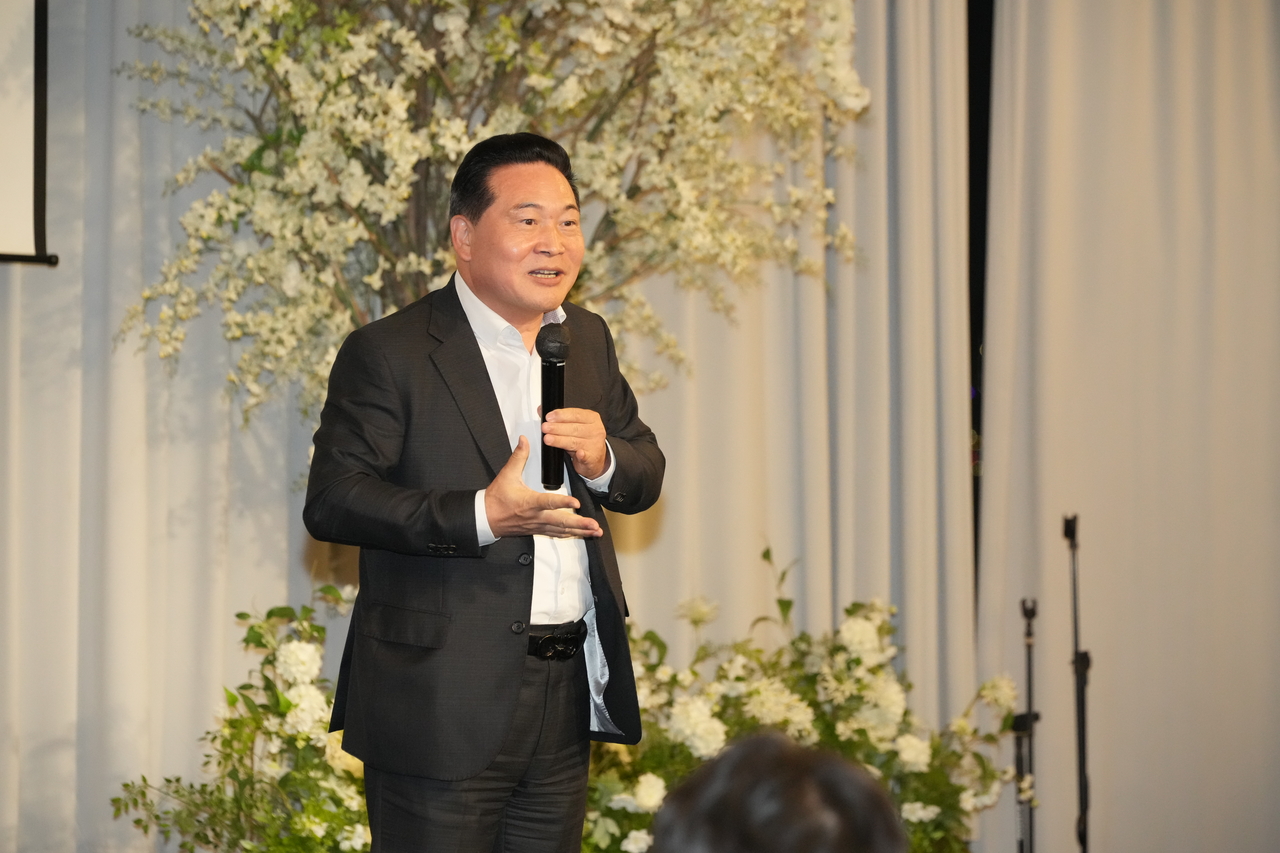
Companies that want to survive the artificial intelligence shake-up need more than new tools: They need leaders willing to use them and rethink strategies that once worked, speakers at this week's Global Business Forum said Wednesday.
The fifth weekly session of the forum's 10th edition, organized by The Korea Herald and Herald Business, was held in Seoul under the theme "Connecting People and Technology, Opening New Possibilities."
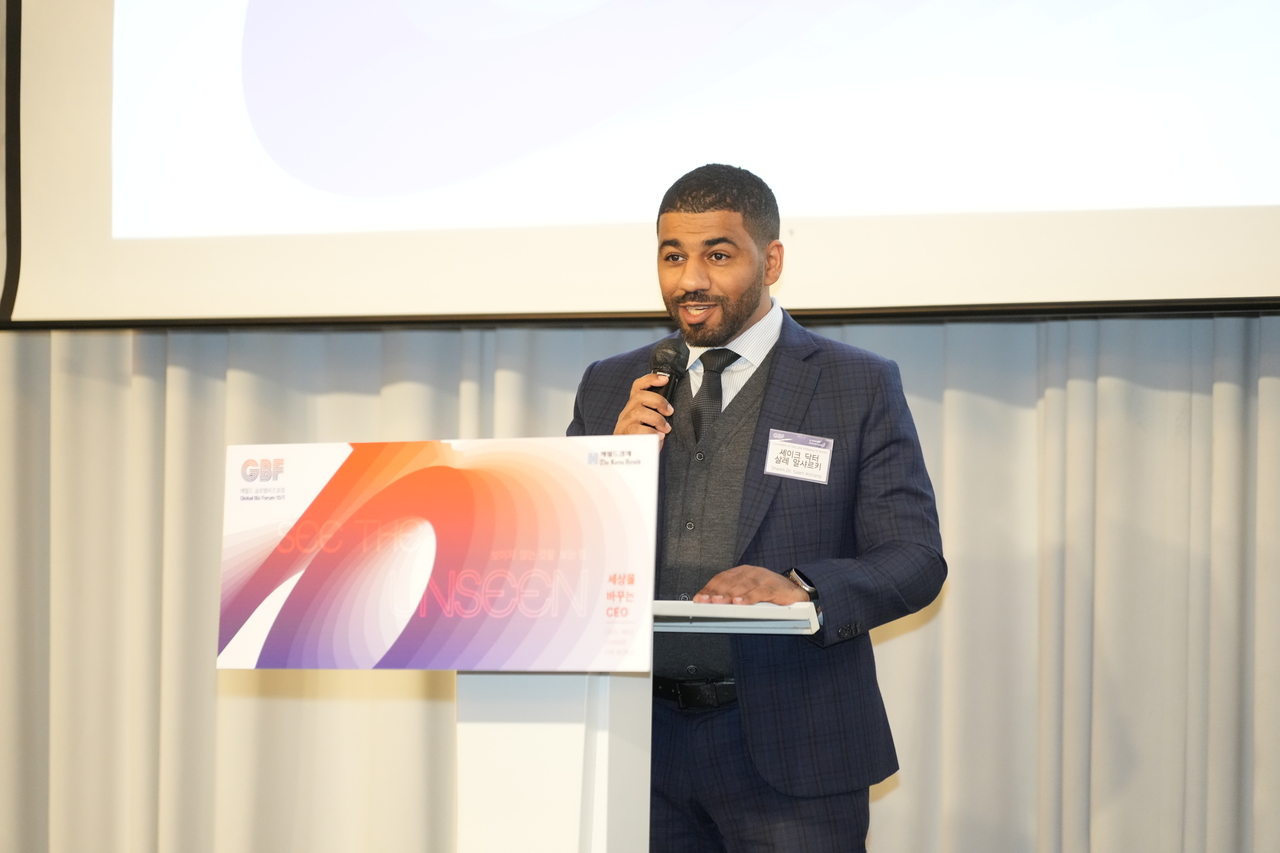
Sheikh Saleh Alsharqi, counselor and head of economic affairs at the United Arab Emirates Embassy in Seoul, opened the event by calling for closer cooperation between Korean and Emirati businesses in emerging industries and overseas markets.
"I therefore invite Korean businesses, investors and innovators to look to the UAE not only as a market, but also as a platform for cooperation and expansion into new markets," Alsharqi said.
He pointed to AI, green hydrogen, space technology and advanced manufacturing as areas for further cooperation, including joint investment and expansion into third-country markets.
Choi Eun-soo, CEO of Korean AI video analytics firm Intellivix, then urged business leaders to experiment with AI tools themselves rather than leave their adoption entirely to employees.
"Don't leave AI to your employees. Use it yourself as an expert assistant to build a better business," Choi said.
During his presentation, Choi demonstrated how AI tools could help draft business proposals, create presentations and marketing materials and summarize meetings. He also encouraged companies to use their internal documents and manuals to build AI assistants tailored to their operations.
Choi pointed to Intellivix's video analytics technology as an example, saying its systems could identify fires, intrusions and traffic accidents in camera footage and generate automated alerts.
"The important task is figuring out how to apply these innovative ideas to your existing business," he said.
Park Jae-hee, director of Seokcheon Academy, drew on Sun Tzu's ancient military treatise "The Art of War" to explain why established business strategies can become liabilities in a rapidly changing environment.
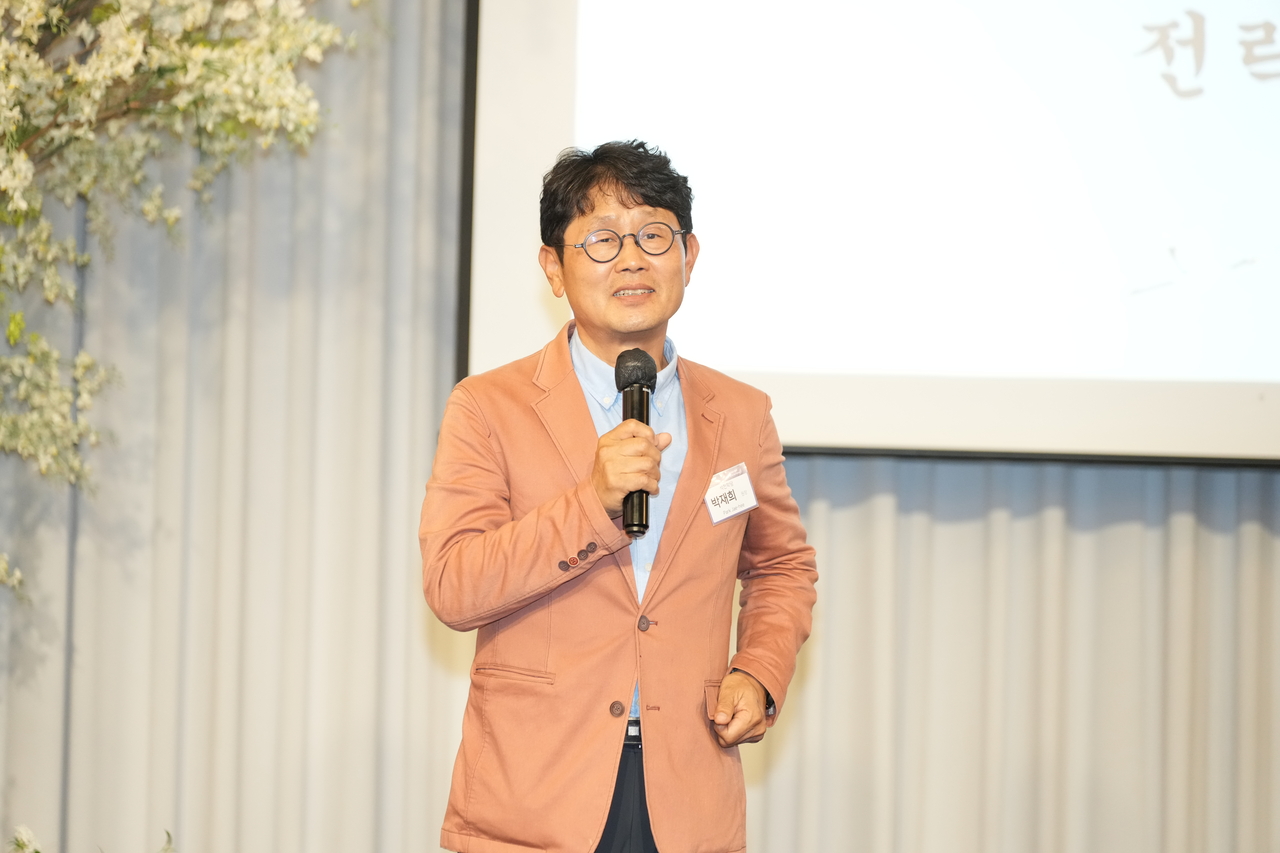
"Don't let your strategy hold you back. Find a new way to play the game," Park said.
He identified timing, direction and speed as three essential elements of strategy, arguing that leaders must continually assess their circumstances and resources rather than rely on past successes.
Park also emphasized that effective leadership requires a sense of responsibility toward employees and investors, with decisions guided by an organization's long-term survival rather than short-term gains.
"A victory today does not mean the same approach will work again," Park said. "You have to find the answer that best fits the circumstances you face now."
yeeun@heraldcorp.com


