
Seoul Grand Park exhibition opens as Korea marks Corrections Day; president vows safer working conditions for correctional officers
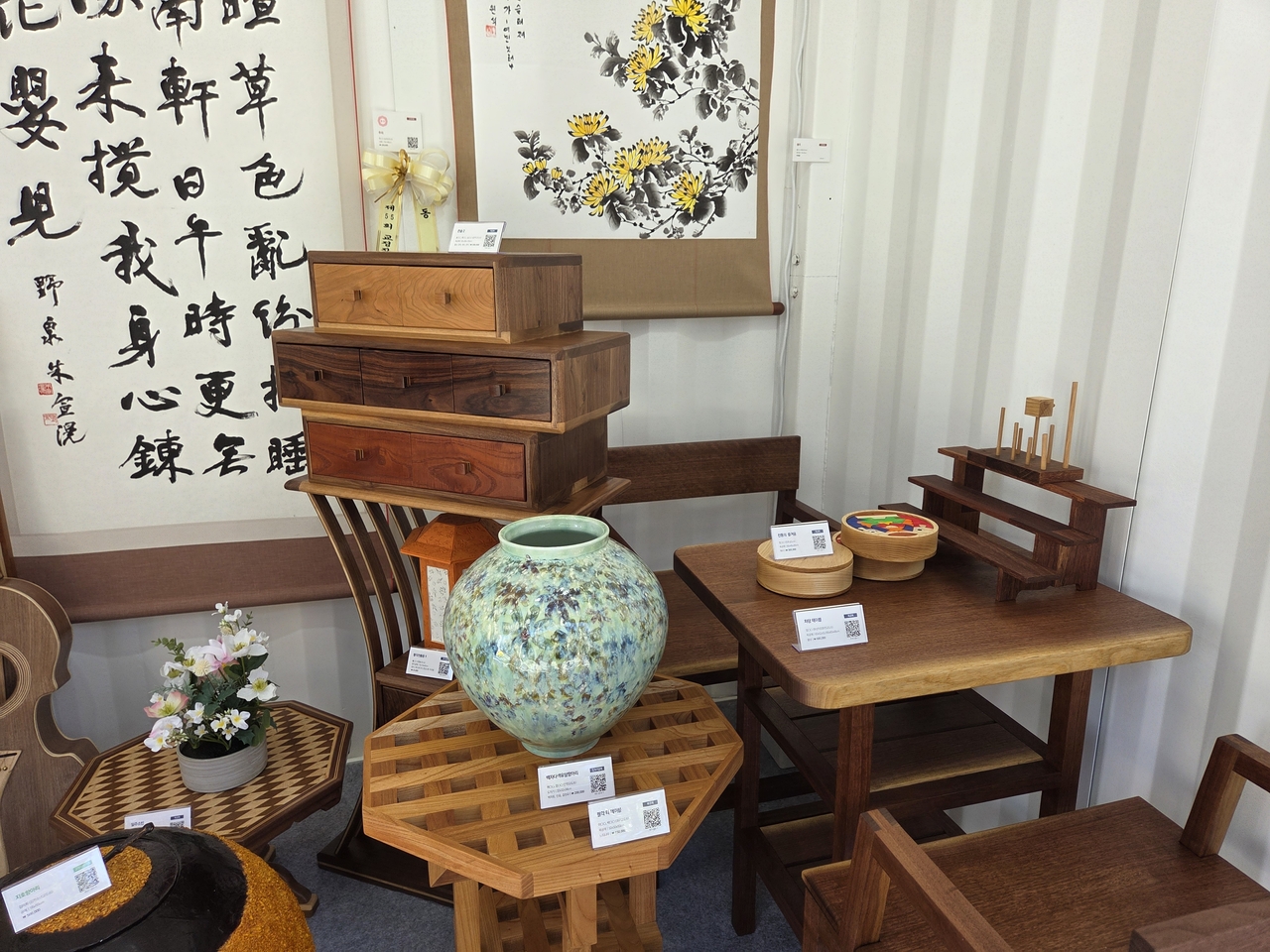
An intricately carved wooden table from Gongju Correctional Institution is among hundreds of works on display at Seoul Grand Park this week, offering visitors a glimpse of skills developed behind bars.
The "Correctional Institution Art Exhibition" opened Wednesday at the park’s outdoor plaza in Gwacheon, Gyeonggi Province, and runs through Sunday. It features furniture, pottery, traditional Korean paper crafts, paintings and calligraphy.
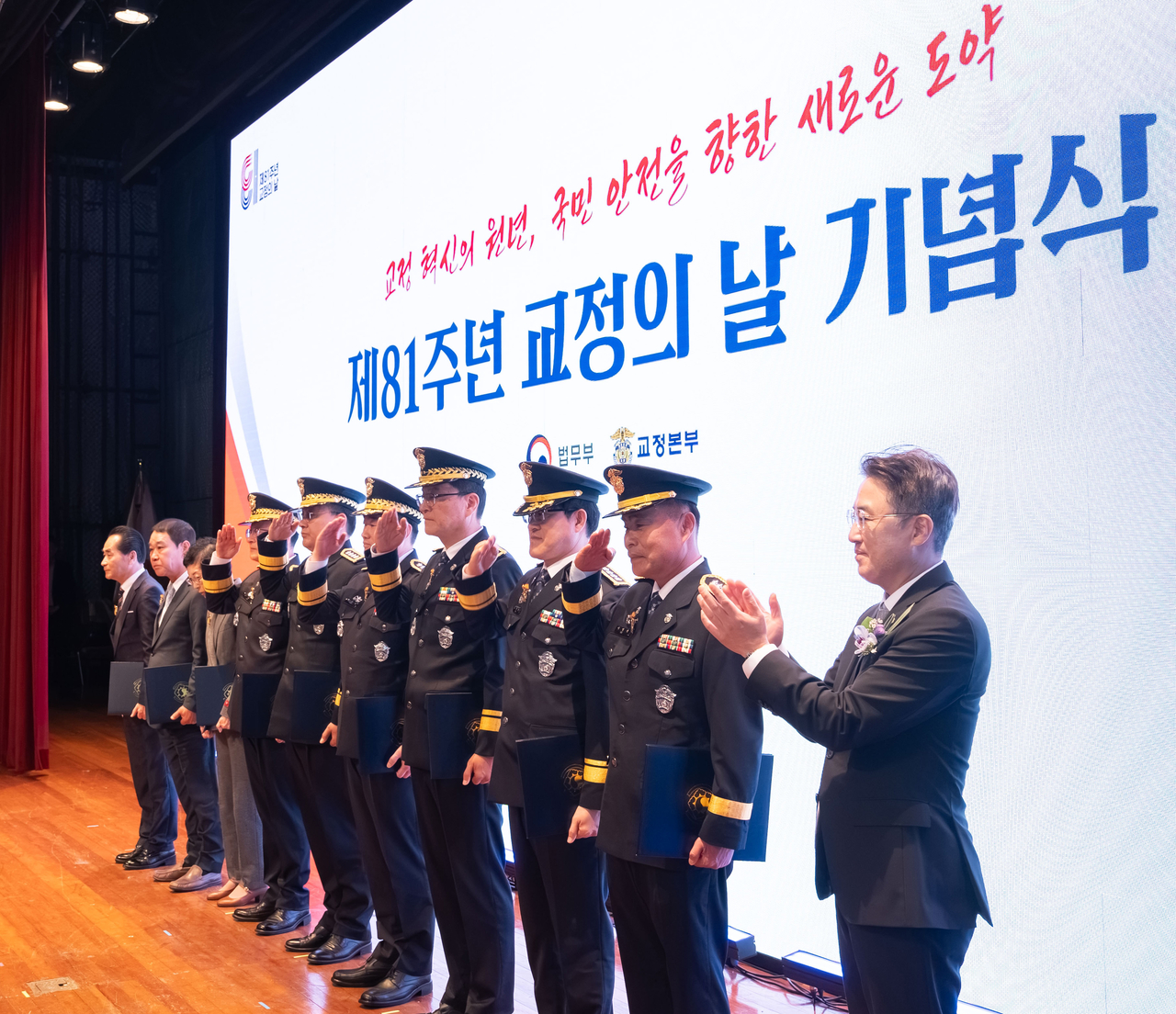
The opening coincided with a ceremony marking the 81st Corrections Day at the government complex in Gwacheon. About 600 people attended the ceremony, which honored contributions to inmate rehabilitation and correctional administration.
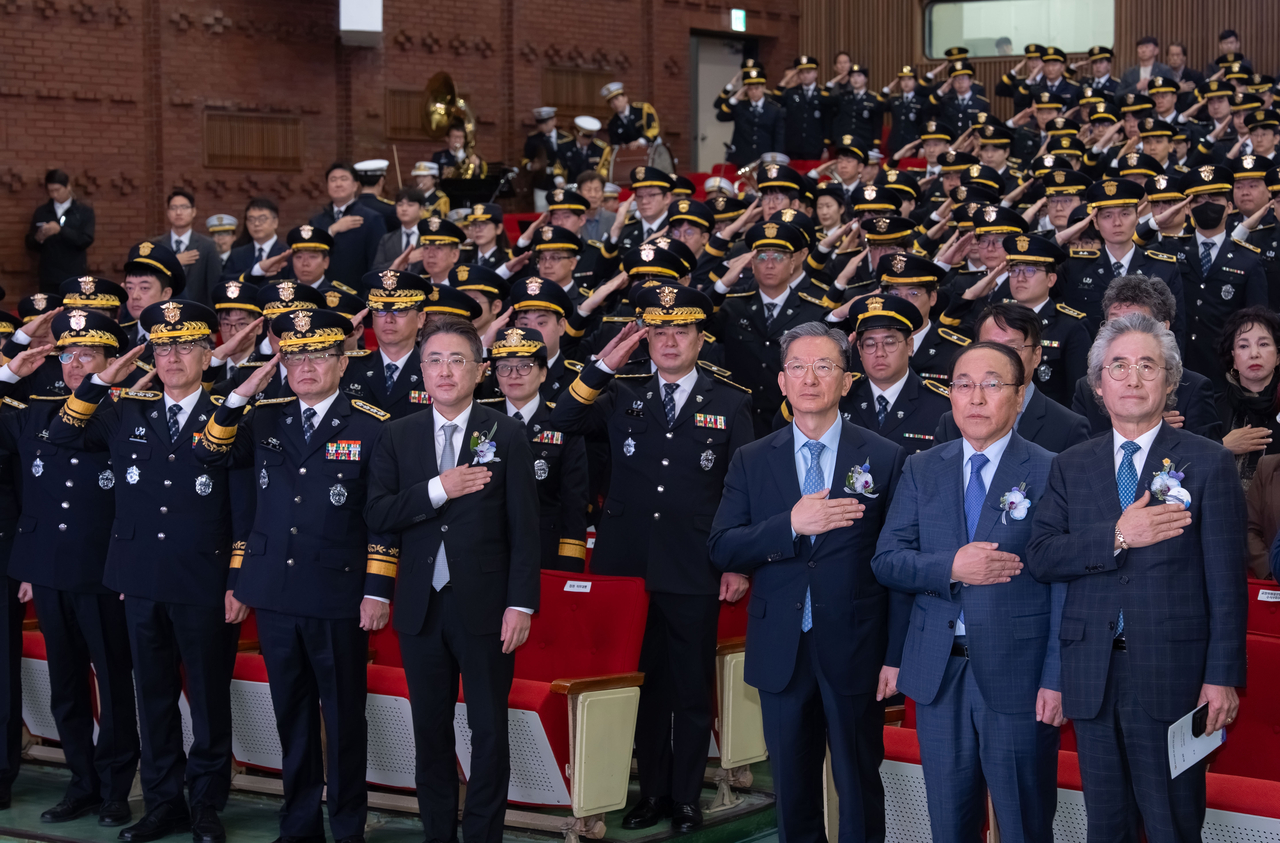
In a video message, President Lee Jae Myung thanked correctional personnel for helping inmates return to society, describing their dedication as a driving force behind keeping Korea safe from crime.
“I will spare no support to ensure that correctional officers can work more safely, receive greater respect and take greater pride in their work,” he said.
A total of 45 people received awards for their contributions to inmate rehabilitation and correctional administration. Winners of a Korea Correctional Service promotional content competition, which drew entries from 128 teams in categories including webtoons and short-form videos, were also recognized.
Corrections Day, observed annually on Oct. 28, commemorates Korea’s recovery of control over correctional administration from Japanese colonial rule in 1945.
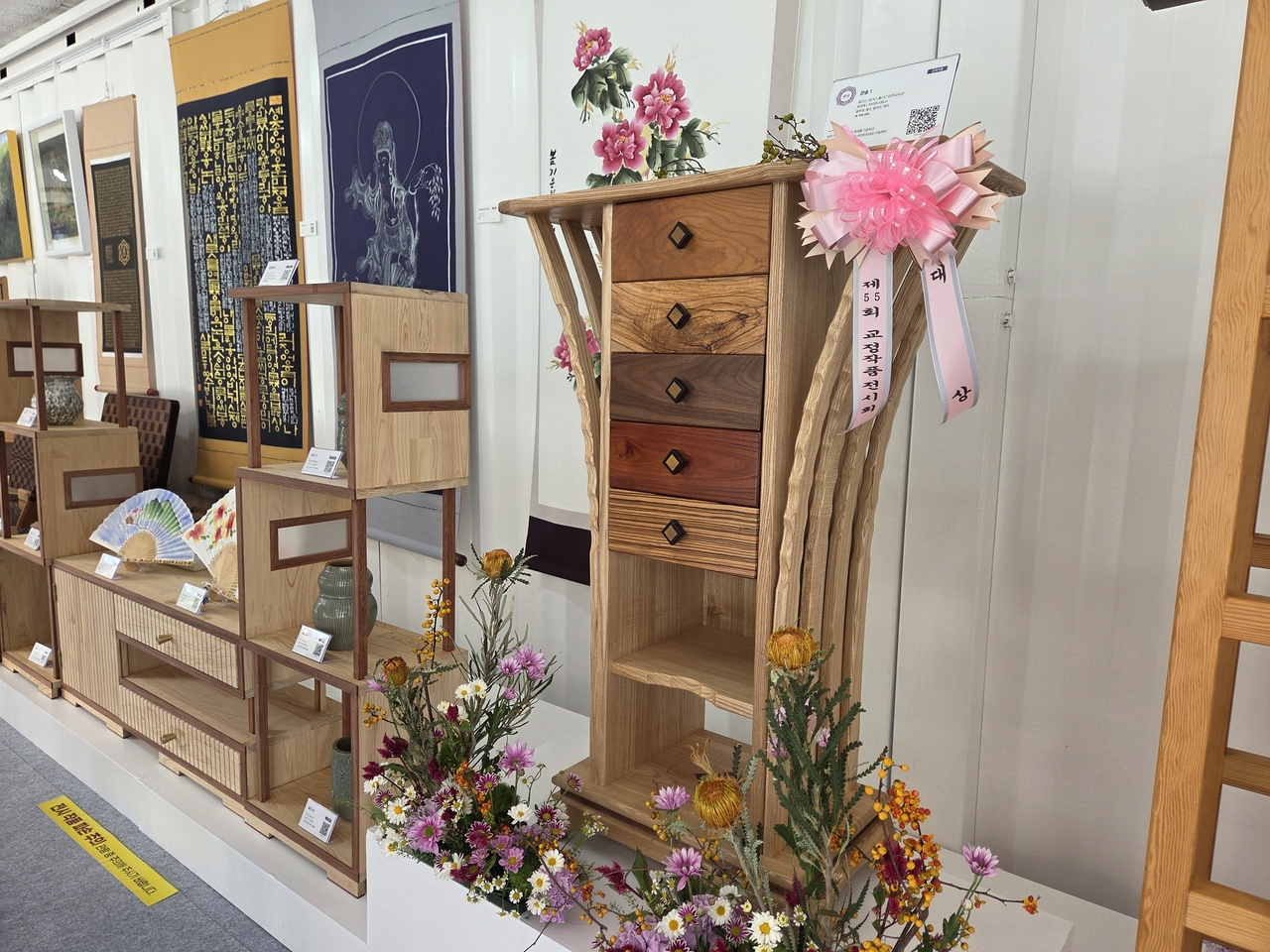
The accompanying exhibition, now in its 55th edition, features 333 works selected from 611 submissions from correctional facilities nationwide. The grand prize went to “Console 1,” a decorative table featuring intricate carving and inlays made from several types of wood.
Tracing its origins to a nationwide display of inmates’ work in 1957, the exhibition aims to reduce prejudice against inmates and support their efforts to become self-reliant and return to society.
“I hope this exhibition will become a place for communication where we can break down prejudice against inmates, understand one another and connect,” acting Justice Minister Lee Jin-soo wrote in the exhibition catalog.
Visitors can also see about 400 chrysanthemum displays, including bonsai, cultivated by inmates, purchase prison-made products, try on correctional officers’ uniforms and take part in pottery-making activities.
shwang9@heraldcorp.com