After 24 years as a K-pop dance teacher, Back finds room for his own artistic vision in 'Street World Fighter: Directors' War'
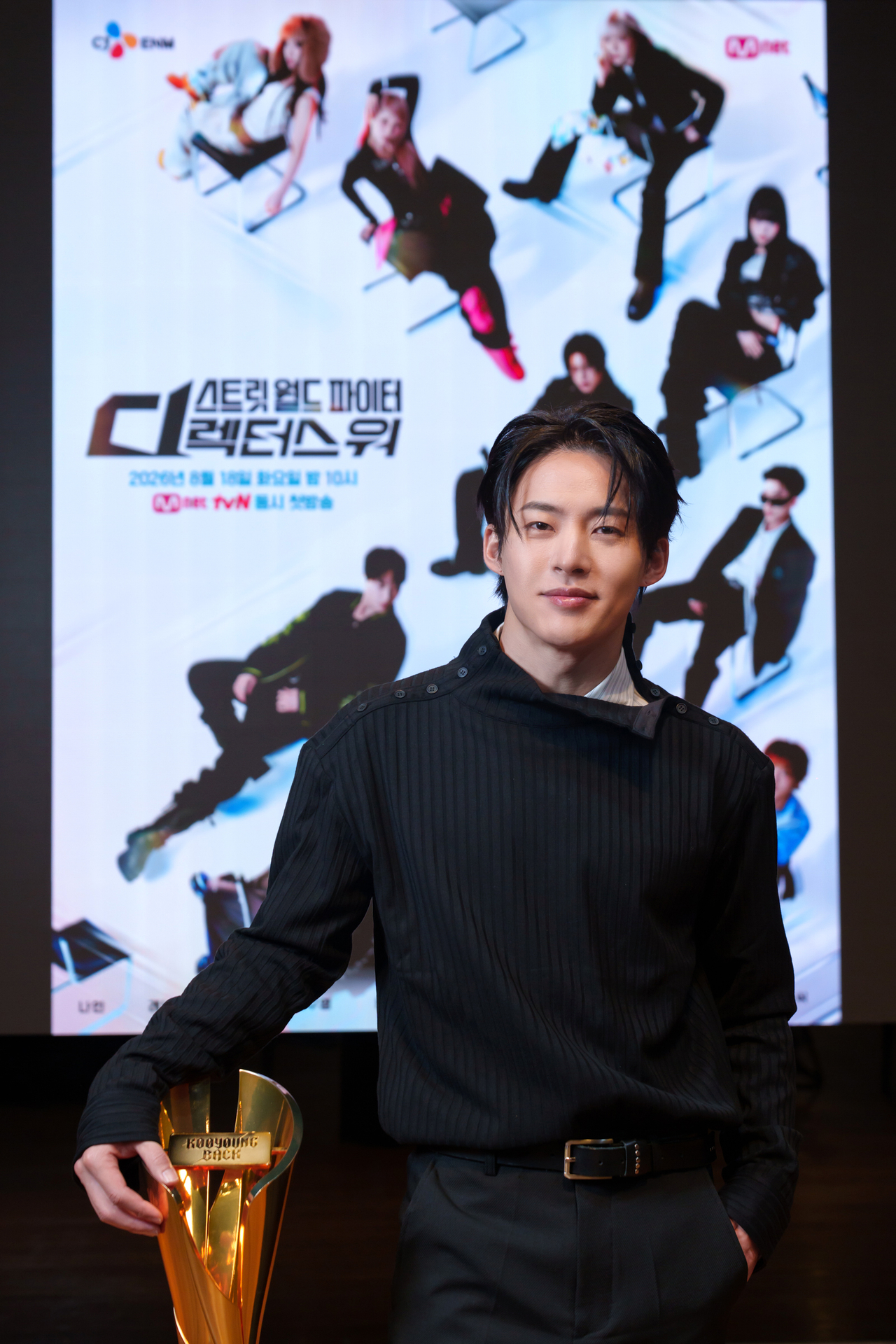
Behind K-pop’s global success is an army of unseen creative talent — chief among them the choreographers and performance directors tasked with translating music into stadium-ready spectacles.
Mnet’s dance competition series "Street World Fighter: Directors’ War" set out to drag these behind-the-scenes figures into the spotlight, pitting South Korea’s top directors against one another in challenges spanning choreography, staging and production design.
Following a high-stakes, two-month run, veteran choreographer Back Koo-young took the crown in the show’s Oct. 20 finale.
Back, a dance prodigy who began training in elementary school, has spent more than three decades building a reputation as one of K-pop’s most sought-after performance directors. Currently a director at acclaimed dance studio 1Million and an in-house performance director for SM Entertainment, his portfolio includes landmark work for TVXQ, BoA, Super Junior and Seventeen. Most notably, he devised iconic routines for Exo, including "Ko Ko Bop," "Lotto" and "Obsession."
Having established himself as one of the country’s most coveted choreographers, Back previously competed in Mnet’s 2022 male dance competition "Street Man Fighter," where he reached the semifinals. Four years later, he returned to the franchise for "Street World Fighter: Directors’ War," ultimately securing the championship title.
Speaking at a press interview on Tuesday, Back recalled how the victory on "Street World Fighter: Directors’ War" marked a personal milestone as much as a professional achievement, particularly as the show’s oldest contestant.
"My family was worried, asking whether I could really go toe-to-toe with all these successful young choreographers, especially while dealing with ongoing back and knee injuries," the 41-year-old choreographer said.
"But how many opportunities would I get to show the public a performance built entirely around my own creative vision? There's only so much I can do by coming up with something on my own and uploading it to YouTube," he said.
"When I was given a platform like this, I had no reason to turn it down. I went into the show thinking this might be the last challenge for people of my generation."

Beyond the trophy, the competition offered Back something he had rarely experienced throughout his career: the freedom to create entirely on his own terms.
"When I create choreography, the most important question is always, 'What will the fans like?'" he said.
"What I personally like or dislike has nothing to do with it. An album is created by taking into account the artist's personality, concept, artistic direction and what fans want. My personal taste doesn't really enter the equation."
Much of his career, he explained, has been devoted to finding ways to bring out the best in the artists he works with, whether by highlighting their charm or charisma.
"I started wondering what the right answer was, and whether there was any room in this industry for the things I truly wanted to express," he said.
"Street World Fighter: Directors' War" gave him a chance to explore that question.
"The show gave me an enormous sense of liberation," he said.
"Just being able to present the work I'd imagined and always wanted to try was enough to resolve so many of the questions I'd carried with me. And on top of that, the response was positive. I'm incredibly grateful to have been given this opportunity."
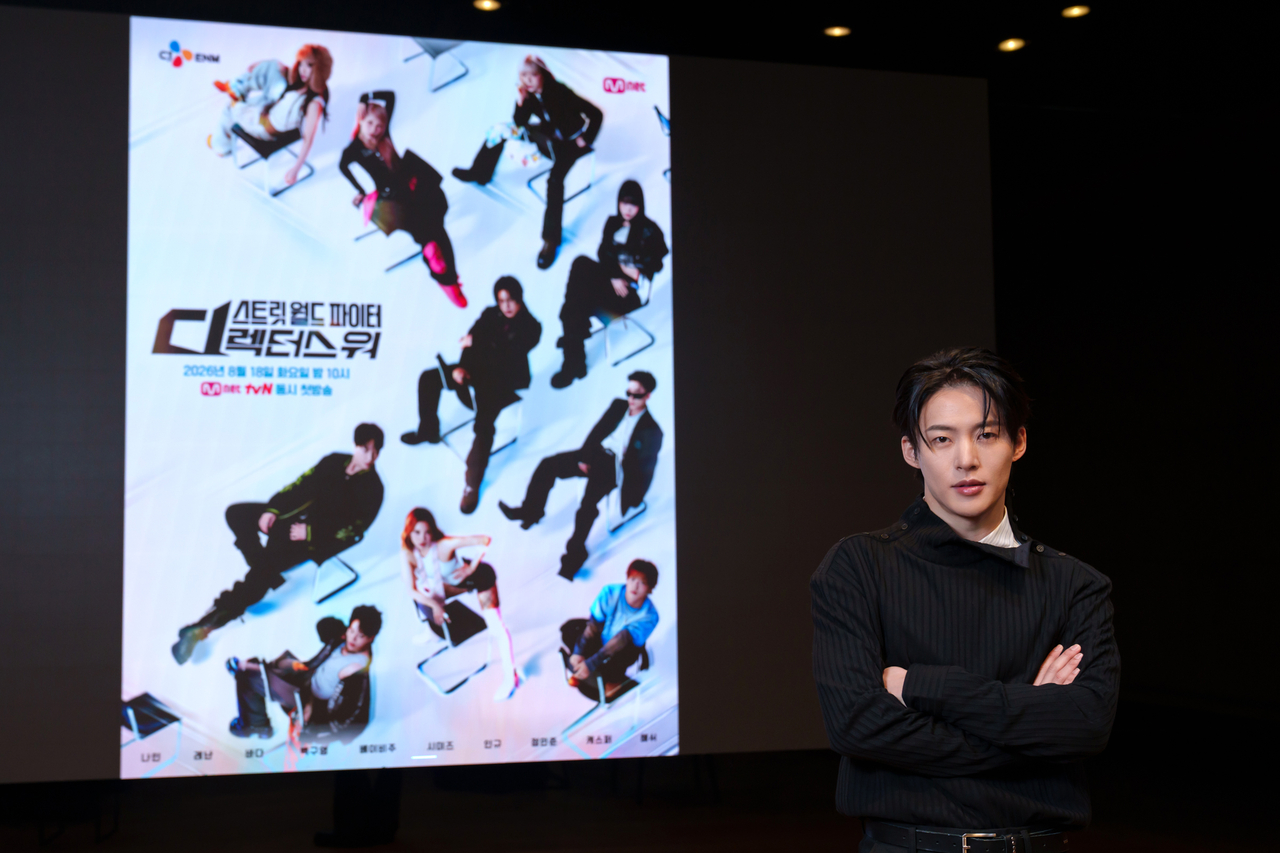
Fresh off the win, Back shows no signs of slowing down. He is now preparing to serve as the overall director of the opening performance for the 2026 Mnet Asian Music Awards — one of Korea's biggest music awards — set to take place in Japan in November.
Asked how he has sustained a career spanning more than three decades in an industry driven by ever-changing trends, Back offered an unexpected answer: He has never been particularly concerned with staying ahead of them.
"When I was around 20, I looked at my seniors and realized that by the time I reached their age, it would only be natural for younger dancers to see me as old-fashioned," he said.
Rather than trying to keep pace with younger generations, Back says he has embraced the opportunity to learn from them. He regularly attends classes taught by younger dancers, an approach that lets him experience emerging styles and movements firsthand rather than simply observe them from the sidelines.
Despite the renewed attention surrounding his victory, Back is reluctant to describe this moment as the beginning of a new chapter.
Instead, he views his career through the framework of "gi, seung, jeon, gyeol", a traditional four-part narrative structure in Korean storytelling that follows an introduction, development, turn and conclusion.
Back believes he has arrived at "gyeol," the final stage. But he does not see it as a sign that his career is winding down.
"What I want is to sustain this 'gyeol' stage of my career for as long as I can," he said. "I want to keep producing work of a quality that reflects everything I've learned and experienced along the way."

yoonseo.3348@heraldcorp.com