
Laura Alfaro says stabilization funds and economic flexibility are key to cushioning future shocks, as Seoul plans W162tr Future Response Fund
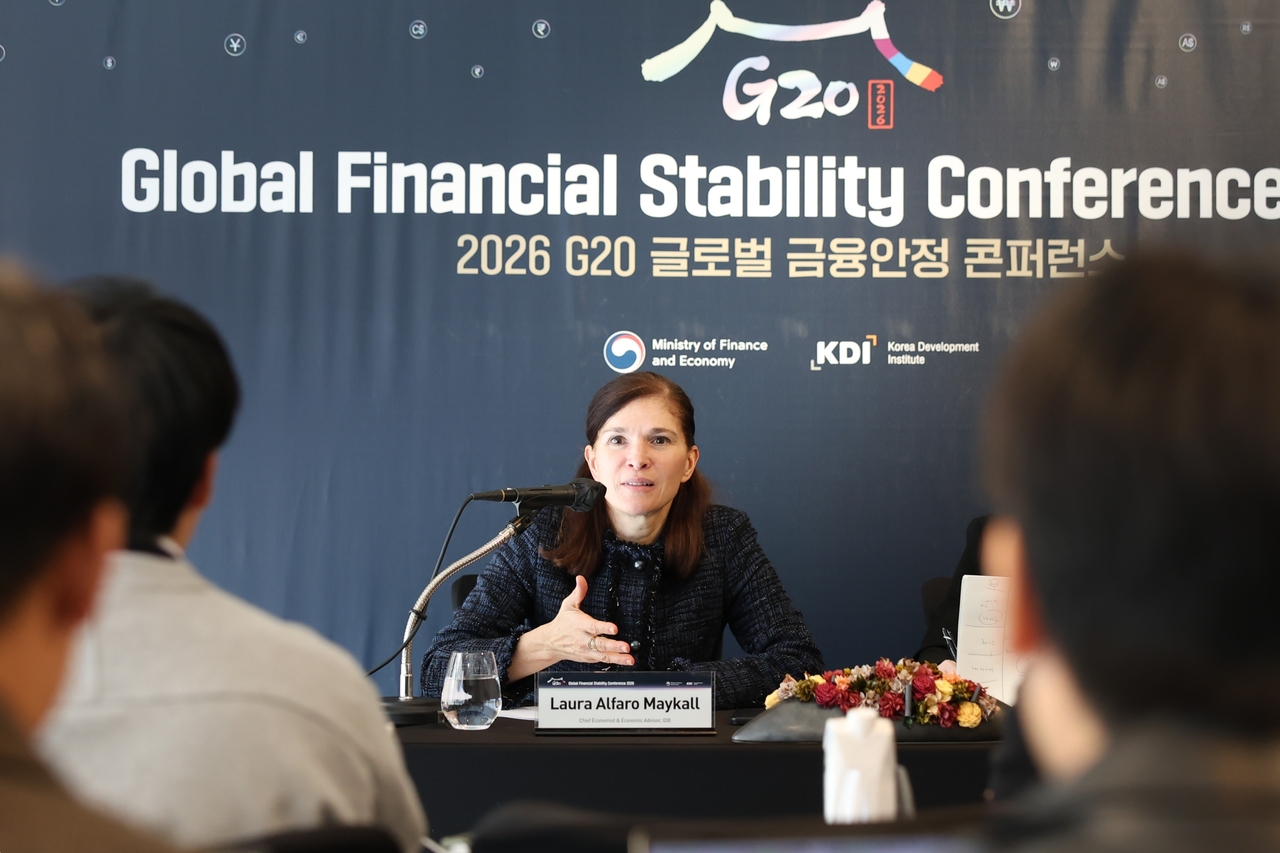
South Korea should set aside part of the revenue generated during the chip boom to cushion against future downturns, Laura Alfaro, chief economist and economic counselor of the Inter-American Development Bank, said Tuesday.
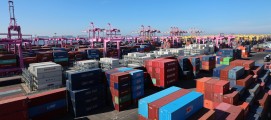
Her remarks come as Korea moves to establish a 162 trillion won ($122 billion) Future Response Fund, which will channel additional tax revenue generated by the semiconductor boom into long-term investments while building reserves to offset future revenue shortfalls.
While Alfaro said she was not familiar with the fund's specifics, she noted that its underlying principle appeared consistent with what economies should do to prepare for future shocks.
"This can help prevent excessive exchange rate appreciation and some of the effects of large, rapid capital inflows," Alfaro said at a press conference held at Four Seasons Hotel Seoul on Tuesday. "The spirit of the fund sounds like what needs to be done."
Alfaro, who also serves as a professor of business administration at Harvard Business School, visited Seoul to deliver a keynote speech at the G20 Global Financial Stability Conference 2026, jointly arranged by the Finance Ministry and the Korea Development Institute.
"The other approach is to maintain flexibility — in labor markets, economic structures and government spending. When boom-and-bust cycles occur, the problem is not just excessive consumption during good times, but also the inability to adjust during downturns," she said.
Alfaro also pointed to Korea's experience navigating past downturns as an example of how economies can build resilience.
"Korea has been through a similar experience during the Asian financial crisis and when semiconductor prices shifted. The country has since undertaken substantial reforms, including adopting a more flexible exchange rate system and strengthening its financial framework," she said.
Having authored numerous articles on international economics, capital flows, foreign direct investment, sovereign debt and trade, Alfaro is a seasoned expert in international economics and global capital flows.
"People are concerned about diversifying production structures, and that usually goes hand in hand with flexibility. But when these booms occur, what economists need to build is resilience, and that resilience comes from flexibility and stabilization funds," she said.
Alfaro, a Costa Rican national, said Korea could deepen cooperation with Latin America by leveraging the region's diversified energy mix and abundant mineral resources to support semiconductor production.
"AI is an extremely energy-intensive form of knowledge, and it is likely to be the most energy-intensive wave of technological advancement we have ever seen," she said.
"There are opportunities for us to partner, with trade and knowledge flowing in both directions. There is a great deal of potential for cooperation."
silverstar@heraldcorp.com