
Government increases support for children with disabilities, but staffing shortages continue to hamper special education
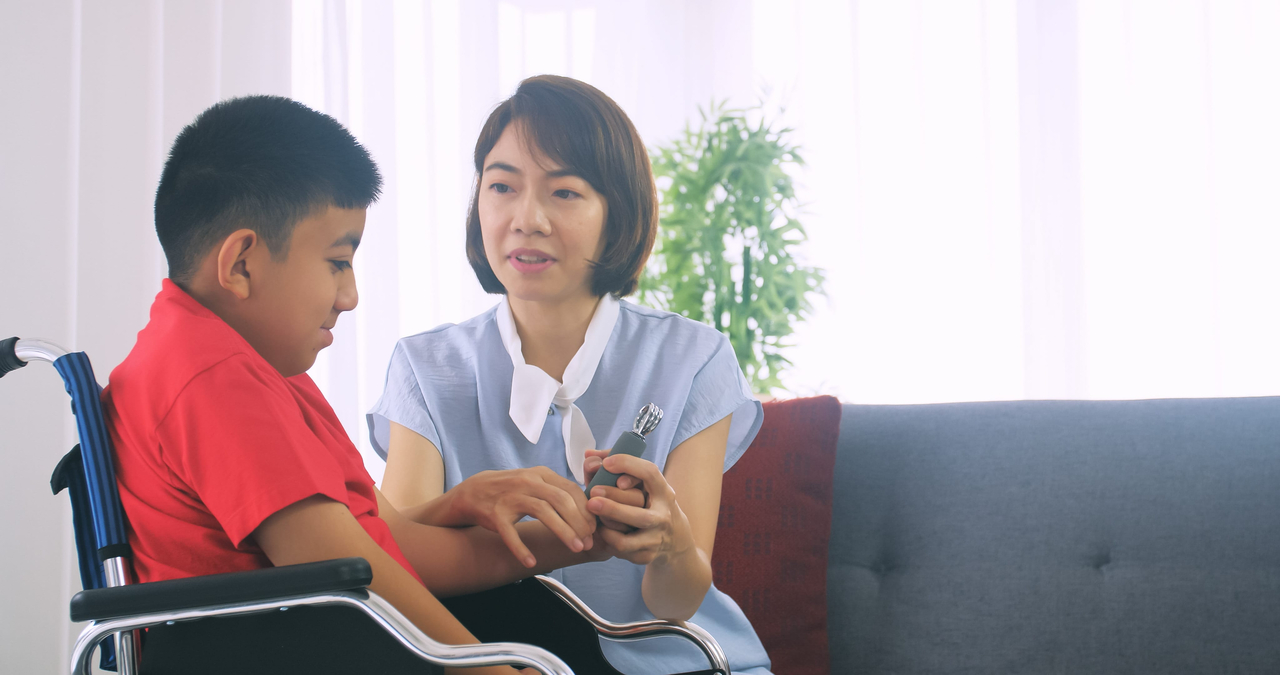
The government continues to expand support for children with disabilities, but there has not been a corresponding increase in the number of teachers needed to educate them, a lawmaker said Friday.
According to Rep. Kang Kyung-sook of the Rebuilding Korea Party, the Ministry of Education provided disability screenings and assessments to 7,097 children aged 0 to 5 last year, under a pilot program to expand special education support to daycare centers.
The ministry also provided care and support services to 1,334 children and transportation subsidies to 362.
However, the program has not added any special education teachers at daycare centers, leaving a gap between identifying children in need and providing the education and care they require, Kang said.
Under the Enforcement Decree of the Act on Special Education for Persons with Disabilities, one teacher can educate up to four students. Based on this ratio, 4,249 teachers are needed to educate the 16,993 children in the 0-5 age group who require special education.
However, only 58 percent of the required teaching positions are filled, making it difficult to provide early support to help the children, according to Kang.
Demand for special needs teachers continues to climb
The number of students eligible for special education at public kindergartens and elementary, middle and high schools across Korea has risen 19.8 percent over the past four years to 124,195 this year.
The proportion of legally required special education teacher positions that were filled fell from 83 percent in 2022 to 79 percent this year, according to Rep. Kim Moon-soo of the Democratic Party of Korea.
The Lee Jae Myung administration has stepped up efforts to ease the burden on families caring for people with disabilities and promote their independence, including through a national care initiative for people with developmental disabilities announced in September.
However, teachers say staffing shortages and heavy workloads continue to make it difficult to provide adequate services for students requiring special education.
According to the Korean Teachers and Education Workers Union, the shortage is also contributing to an increase in reported violations of special education teachers’ rights.
In a survey released Thursday, 50.2 percent of special education teachers said violations of their professional rights had increased compared with the previous year. The figure rose from 12.5 percent in 2024 to 44.5 percent last year.
“Teachers appear to feel powerless because reports of rights violations are difficult to have recognized, partly due to students’ disabilities or their guardians’ positions,” the union said. “Fear of retaliatory child abuse allegations also appears to play a major role.”
The staffing shortage has also been accompanied by a rise in early departures from the profession. For five years from April 2021, 862 special education teachers left their jobs before retirement, 3.3 times the 260 who retired at the mandatory age, according to the Ministry of Education.
“The shortage of special education teachers infringes on students’ right to learn and makes it harder for special education teachers to conduct classes,” Kim said. “The number of teaching positions should be increased in line with the steady rise in the number of students requiring special education.”
forestjs@heraldcorp.com