The Incheon Innovation Cluster has expanded its global branch network to 11 hubs through agreements with institutions in Egypt, Kyrgyzstan, Tanzania, and Kazakhstan.
The new agreements seek to meet local industrial project needs through research and development.
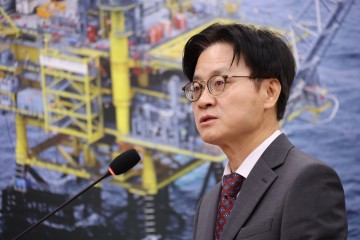
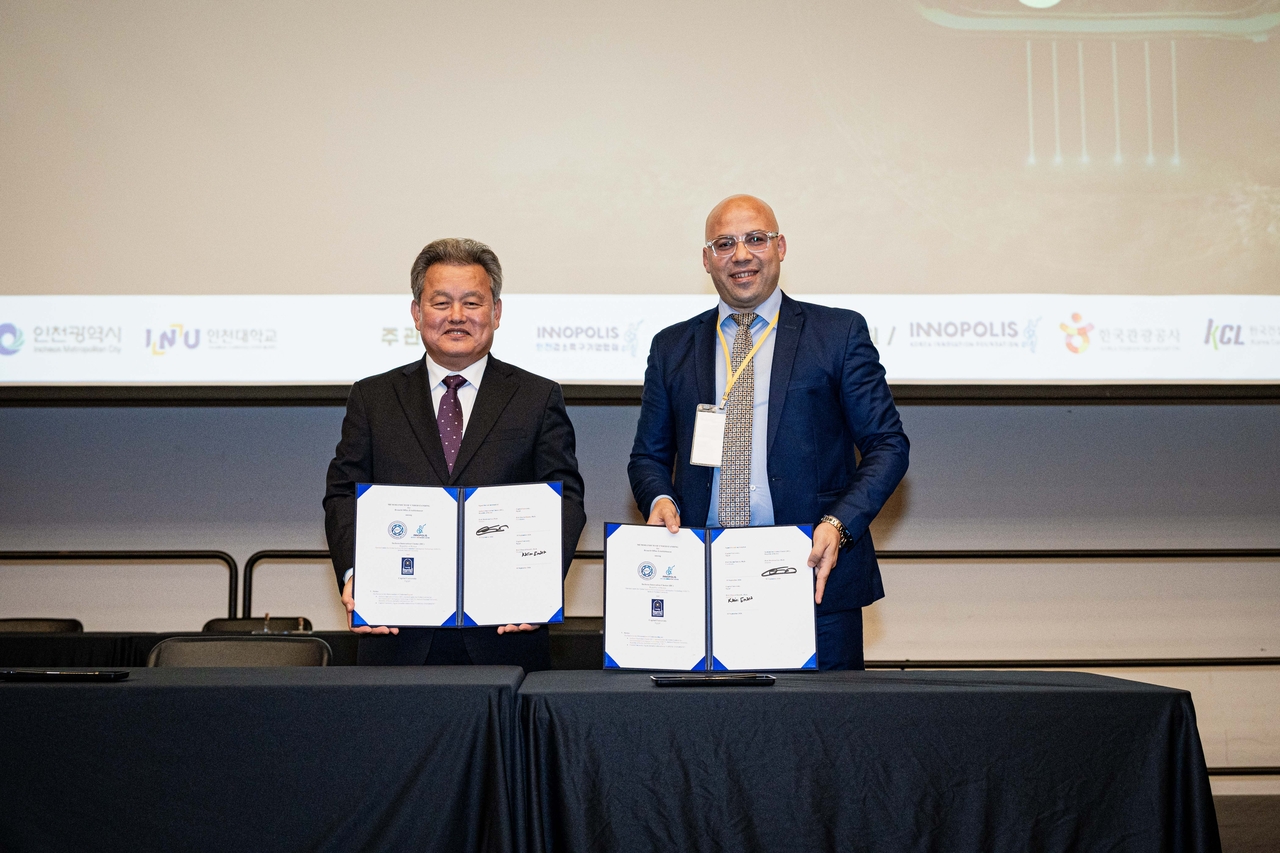
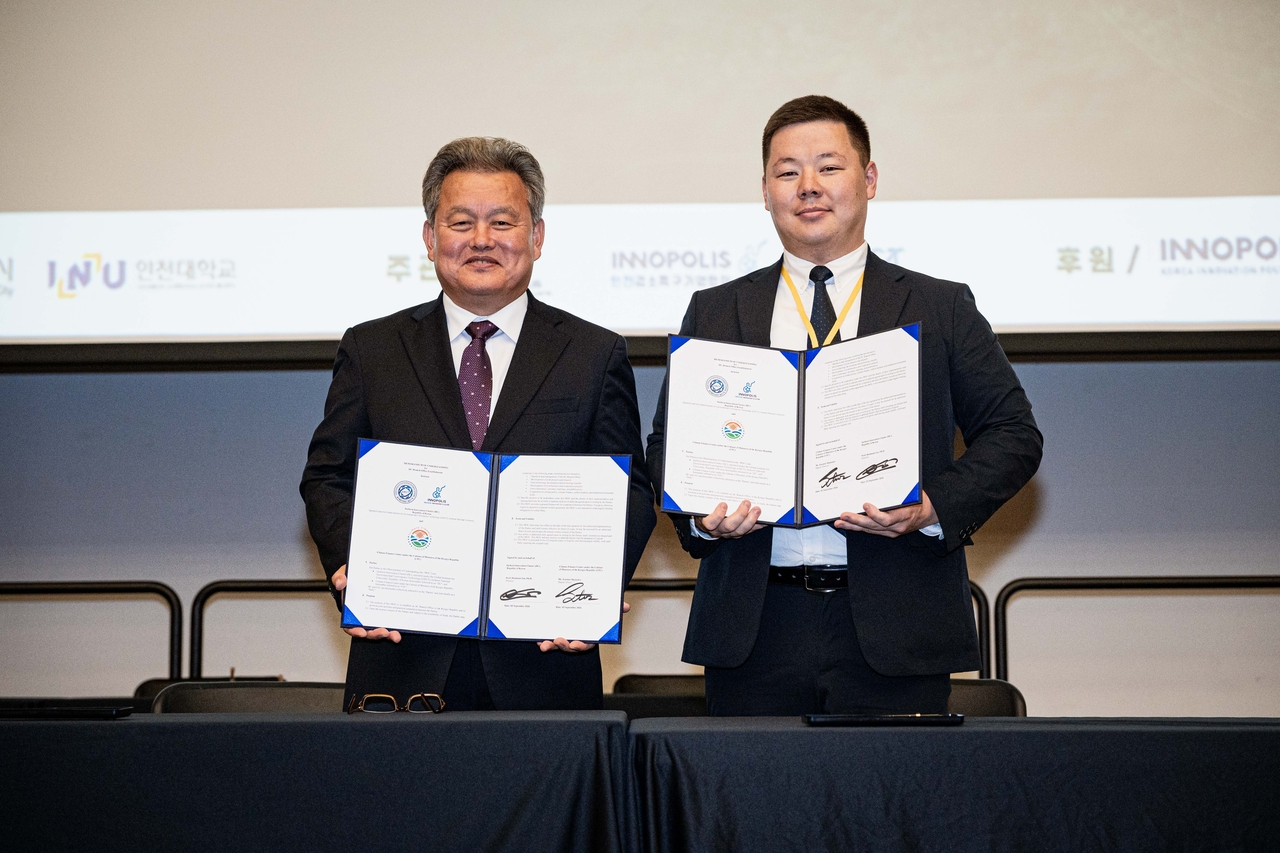
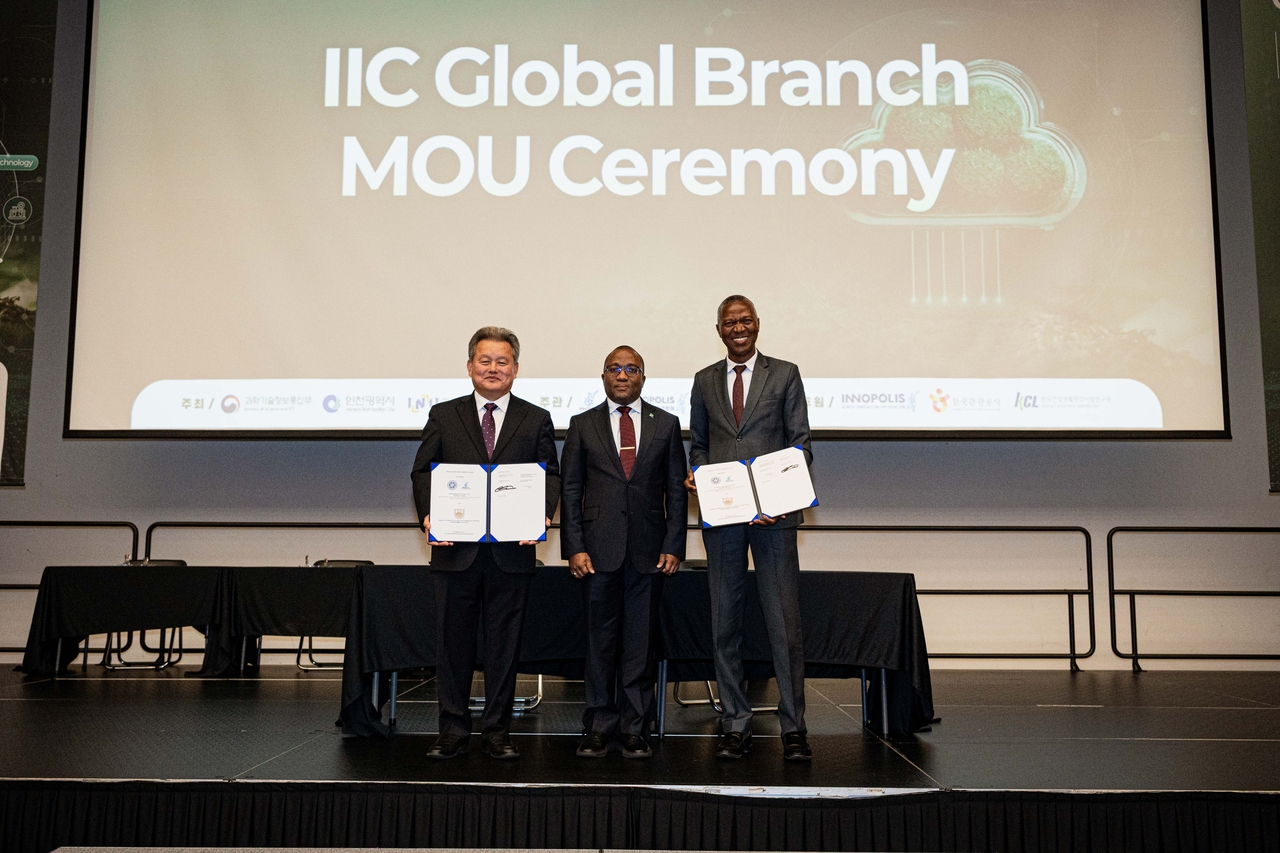
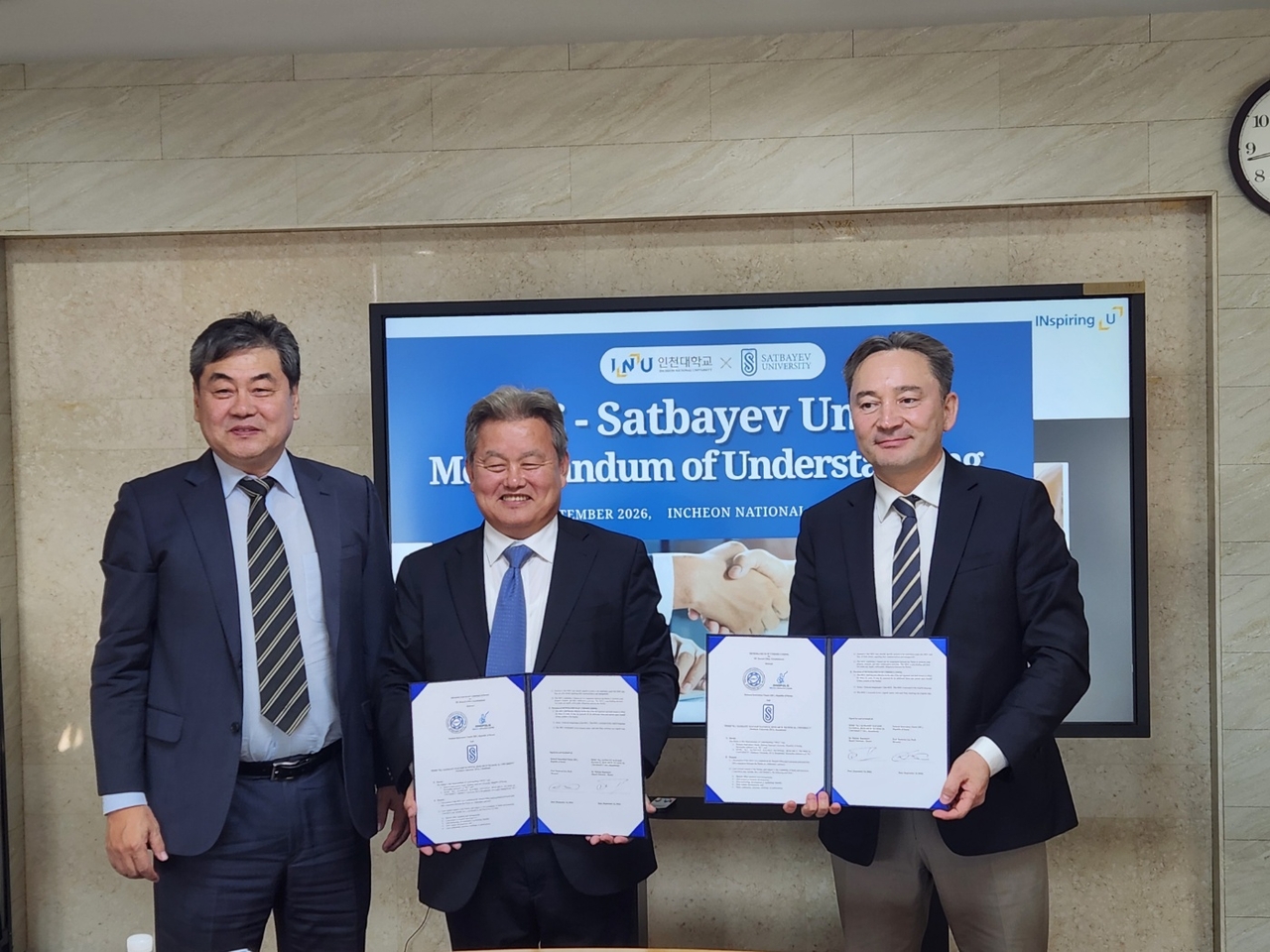
The IIC, directed by Professor Lee Hee-kwan of Incheon National University, signed memorandums of understanding with four institutions: Capital University in Egypt, the Climate Finance Center in Kyrgyzstan, the Tanzania Commission for Science and Technology, and Satbayev University in Kazakhstan.
Satbayev University signed its agreement on Sept. 14, while the other three institutions signed theirs on Sept. 3 at the 2026 Incheon International Environmental Technology Conference at Songdo Convensia.
The global branches will help identify country-specific environmental challenges and technology needs and then match local needs with companies in the IIC. Each hub will also help develop joint demonstration and commercialization projects, and broader international cooperation programs.
In Egypt, the IIC Cairo Branch focuses on joint research and personnel exchanges in environmental and engineering fields through the partnership, while in Kyrgyzstan, the IIC Bishkek Branch will identify climate and environmental needs and develop demonstration projects with public institutions and development partners.
The IIC Dar es Salaam Branch in Tanzania will use the research and innovation network from the country's national agency, COSTECH, to identify environmental technology needs and support Korean companies seeking to enter African markets.
Satbayev University, based in Almaty, will facilitate technology matching, joint research, technology transfer, and commercialization projects in Kazakhstan's IIC Almaty Branch.
Through these new partnerships that bring together a university, a climate finance institution, a national science and technology agency, and a technical research university, the IIC plans to develop country-specific pathways to commercial market entry.
"We will operate each branch as an operational hub that connects local technology needs with the capabilities of companies in the cluster," said Lee.
"By turning the needs identified through the network into joint demonstration and commercialization projects, we will help Incheon's environmental technologies be validated in overseas field settings and advance into global markets."
mjcha@heraldcorp.com