New electric arc furnace combines lower emissions with high-grade steel production as company advances toward carbon neutrality
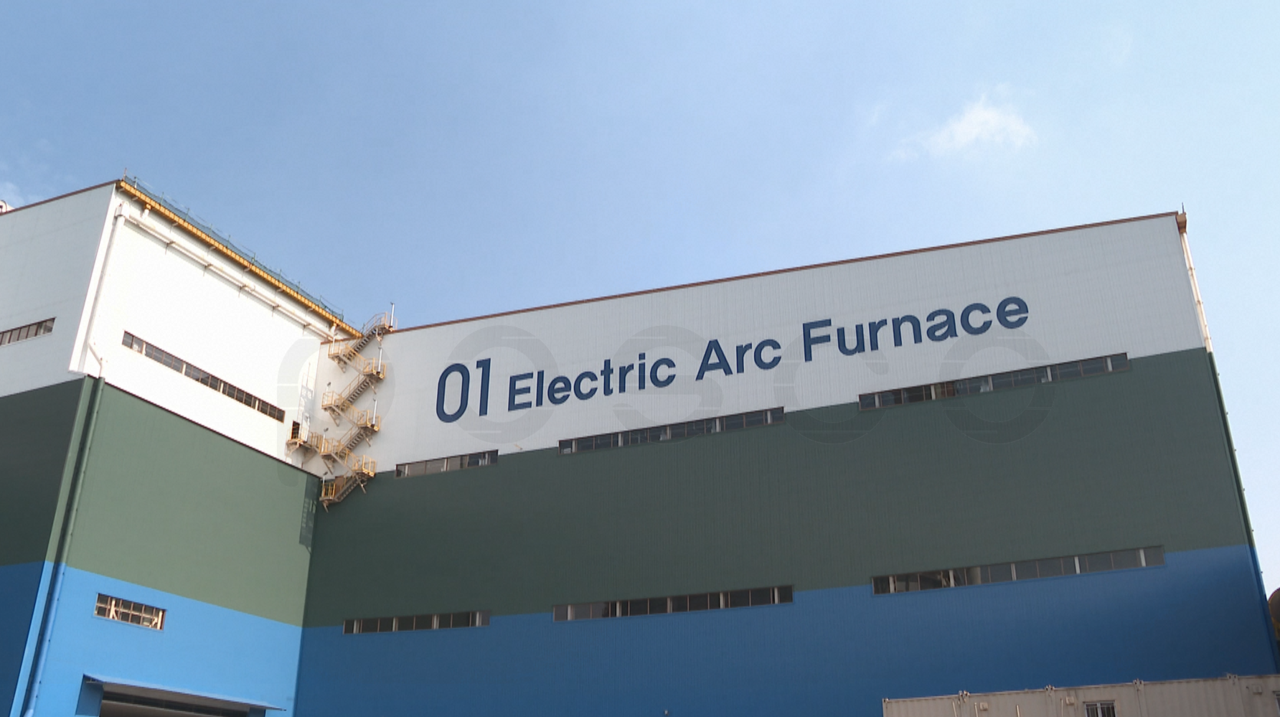
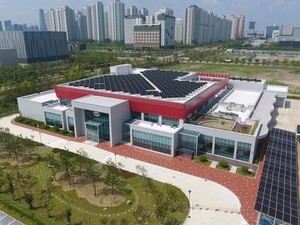
GWANGYANG, Jeonnam-Gwangju — Overlooking the extensive 21.48 million-square-meter Posco Gwangyang Steelworks — the world’s largest single steel mill — a massive sky-blue facility stands out against traditional blast furnaces.
This 600-billion-won ($474.19 million) electric arc furnace, completed in June, is a vanguard of the steelmaker’s green transformation.
With an annual output of 2.5 to 2.8 million metric tons — ranking it among the top four worldwide — the green arc furnace serves as a critical bridge toward the company’s net-zero targets.
Inside the plant, which hosted a press tour on Nov. 4, next-generation steelmaking is already underway. Heavy cranes with automated electromagnets lift scrap metal into continuous conveyors that feed into the furnace without opening the roof. The design can preheat incoming scrap to 200 to 300 degrees Celsius and cut power consumption by more than 10 percent, minimizing thermal loss.
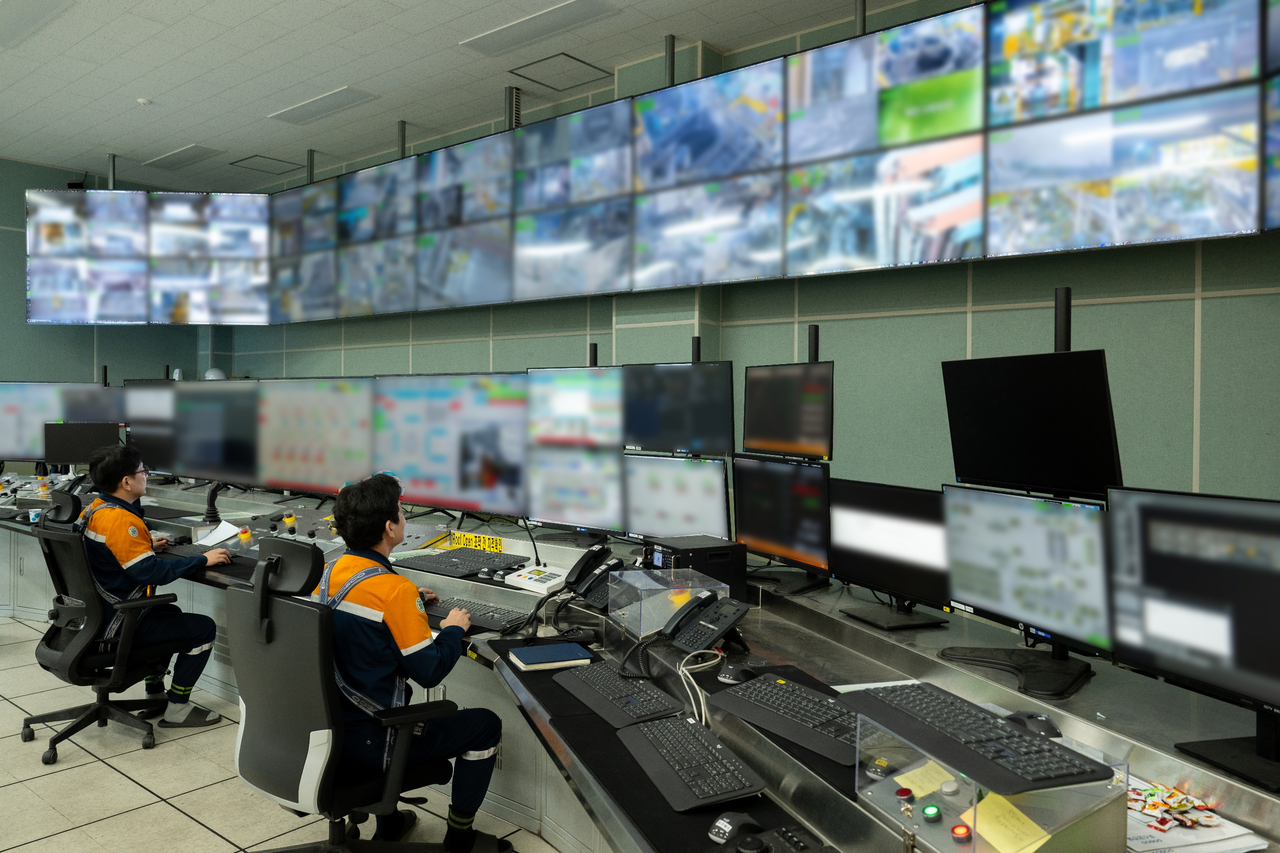
Eighty high-definition cameras provide real-time visual feeds to an enclosed control room, while automated six-axis polytechnic robotic arms handle molten steel temperature sampling and slag analysis.
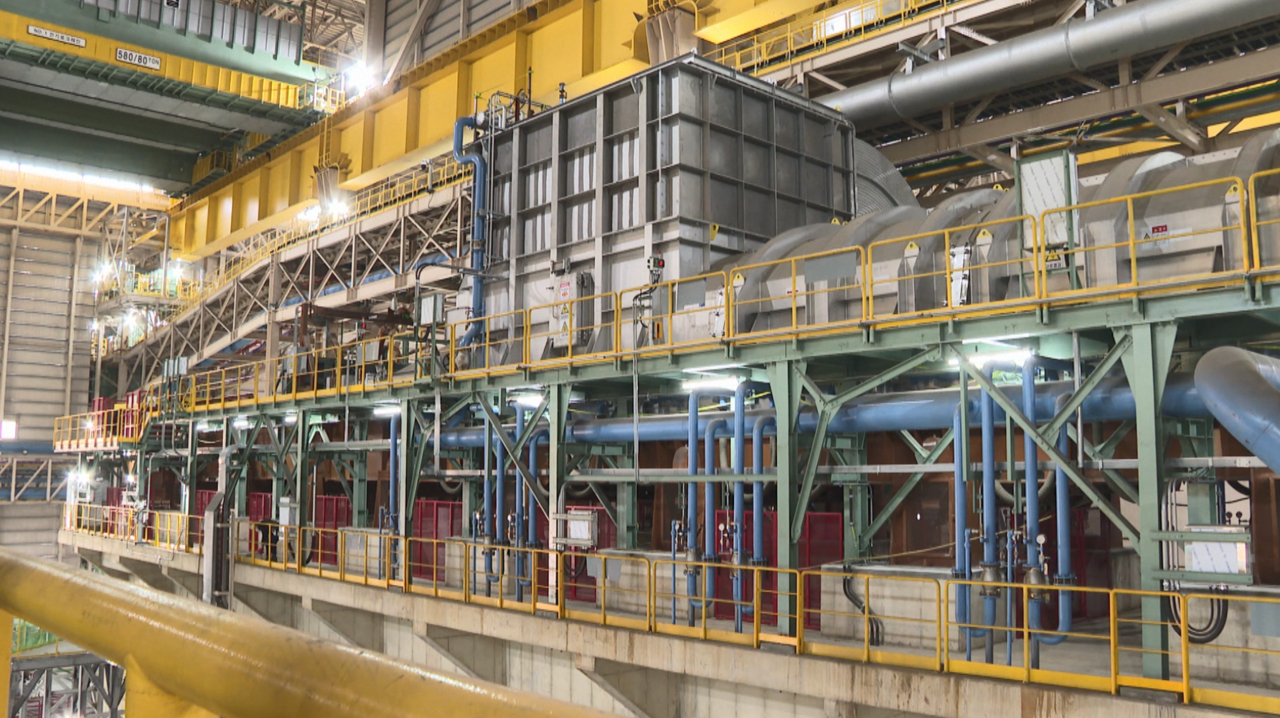
According to a plant engineer, electric arc furnaces provide a level of agility that traditional blast furnaces cannot match. While a blast furnace must run continuously for up to 15 years to maintain internal gas dynamics — requiring one to two months of ramp-up period — the green furnace can restart from a cold, complete shutdown and yield a full heat of molten steel in just two and a half hours.
While steelmakers globally rely on scrap-fed electric arc furnaces to reduce carbon footprints compared to coal-fired blast furnaces, scrap-only melts have historically struggled to meet the high-purity requirements for premium automotive sheets and electrical steels.
Like its industry peers, Posco addresses this issue by integrating a hot-metal mixing station called "Haptang.” Here, a 50:50 molten blend combines 140 tons of low-carbon electric arc furnace molten steel with 140 tons of ultrapure blast-furnace hot metal.
“This is a bridge technology toward carbon neutrality,” said Yang Won-jun, head of communications at Posco Holdings. He noted that an electric arc furnace emits roughly 400 kilograms of carbon per ton of steel produced — a dramatic drop from the 2 tons from a traditional blast furnace.
“Posco’s (entire) steel mill supplies one out of every ten cars produced worldwide with automotive steel sheets,” Yang noted. He noted that with Haptang, Posco slashes carbon emissions while preserving the mechanical strength and surface quality needed for global automaker standards.
With OEMs facing stringent carbon tariffs such as the EU’s Carbon Border Adjustment Mechanism, this hybrid method guarantees supply security for export-bound vehicles.
Given the approximately 10 percent higher operating cost compared to blast furnaces, the electric arc furnace’s current operating rate is approximately 10 percent. However, the engineer said the plant is expected to ride the global low-carbon momentum through 2028 and reach full-scale operations by 2030.
To further advance its decarbonization strategy, Posco is developing “HyREX,” its hydrogen-reduction ironmaking technology that replaces coal with hydrogen to separate oxygen from iron ore. As a stepping stone, the company is using its hybrid Haptang steelmaking process while preparing to complete a HyREX demonstration plant in Pohang, North Gyeongsang Province, by 2028, targeting full commercialization by 2030.
hyejin2@heraldcorp.com