In his first performance at a Korean hospital, the maestro brings two Schumann works and stories about the flow of life, failure, family and faith
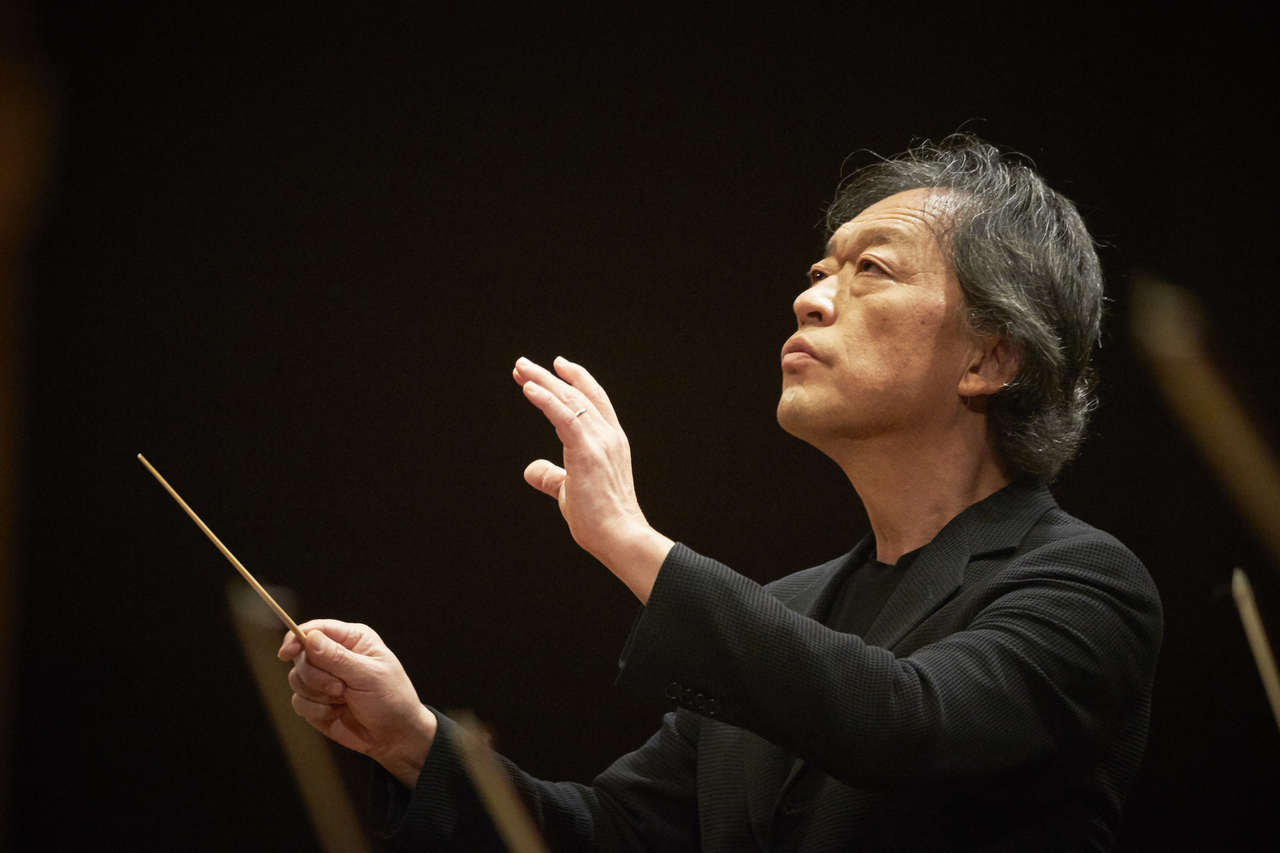
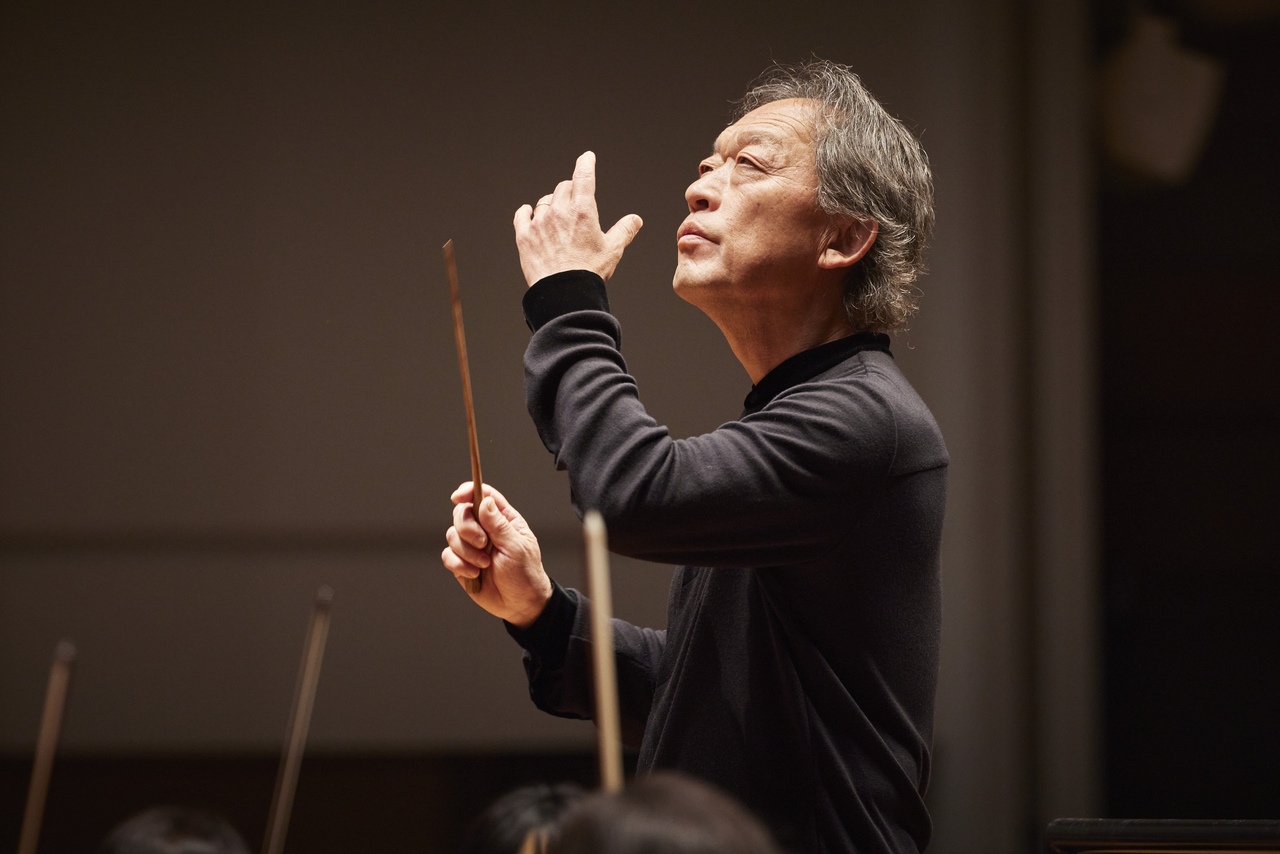
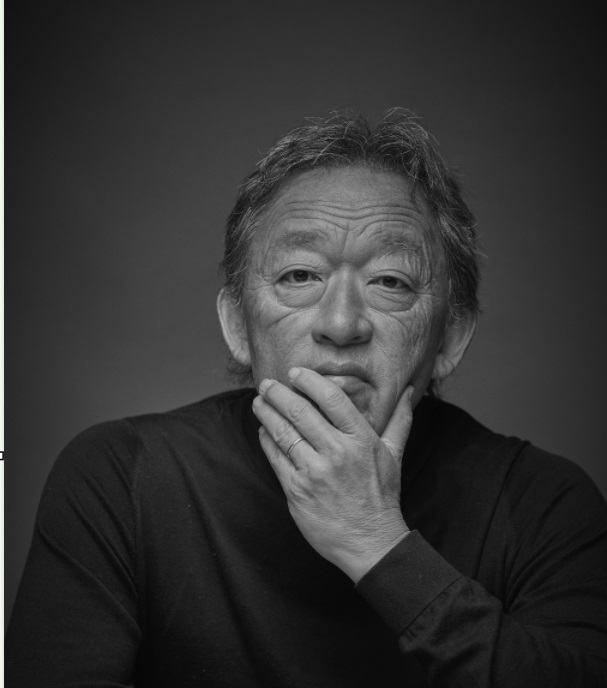
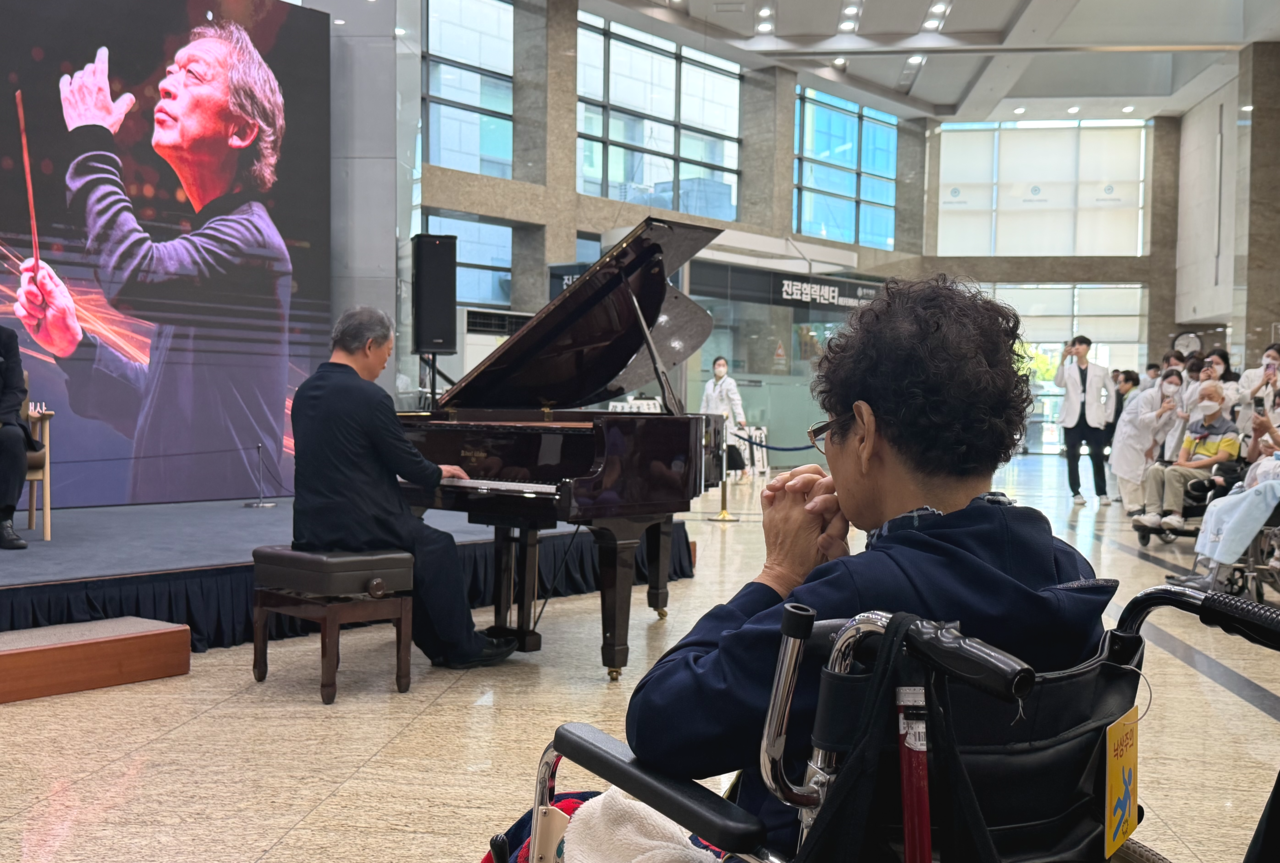
GOYANG, Gyeonggi Province -- “I might not play it well, but I wanted to play something today anyway,” Chung Myung-whun told the audience on Sept. 3 before taking the stage — this time not as a conductor, but as a pianist, in the unlikely setting of a hospital hall.
Chung has played piano in a hospital setting several times before, in Japan for children with cancer. But the performance at Myongji Hospital in Goyang, Gyeonggi Province, was his first in a Korean hospital, for an audience of patients and staff.
In a roughly 40-minute session moderated by classical music columnist and thoracic surgeon Yoo Jung-woo, Chung played two works by Schumann. The second, he told the audience, was one he had never performed in public before.
Korea's most prominent conductor, Chung, 73, won joint second prize in piano at the 1974 International Tchaikovsky Competition, one of the first major international competition results by a Korean musician, before building an internationally recognized career as a conductor.
He is now music director of the KBS Symphony Orchestra and artistic director of Classic Busan. In 2027, he is set to become music director of Teatro alla Scala in Milan — one of the world's most prestigious opera houses — making him the first Asian conductor to hold the post in its 247-year history.
Yet Chung described his career as less the result of a carefully mapped-out ambition than of simply following where life led.
“I don’t think I decided, ‘I’m going to do this,’” he said. Music had been part of his life from the beginning. The youngest of seven children, he grew up surrounded by it and continued along a path that seemed to open before him.
Instead of making a fixed plan, he followed the advice and opportunities that came his way. After arriving in New York, for instance, he was encouraged to study conducting alongside piano.
“I always have the feeling that I’m following something,” he said. “People guide me and say, ‘Why don’t you try this?’ And I follow.”
Looking back, he acknowledged the hard work behind his career, but resisted the idea that extraordinary effort alone explained where it had taken him.
“Of course I worked hard,” he said. “But there are very few people in Korea who don’t work hard.”
That same idea — that what looks like a detour can turn out to be part of the path —surfaced in a story from his childhood.
“The only thing I really do now is music — my wife takes care of everything else,” Chung said. “But there’s one thing I still do myself at home: cooking.”
He is not particularly good at it, he added, but enjoys it — a habit he traced to childhood, when his family ran a small Korean restaurant in Seattle after moving to the United States when he was 8.
Chung credited that restaurant with an unlikely gift: time to practice. "There weren't that many customers, so I had a lot of time to practice," he said. "If the restaurant had done well, I probably wouldn't have had the time. Sometimes what looks like failure turns out to help you later."
He then turned to the first piece, Schumann’s “Arabeske,” which is featured on his first solo piano album, recorded live at Teatro La Fenice in Venice and released in December 2013. Chung said the album was made at the urging of his son, a record producer, who repeatedly encouraged him to record something for his grandchildren.
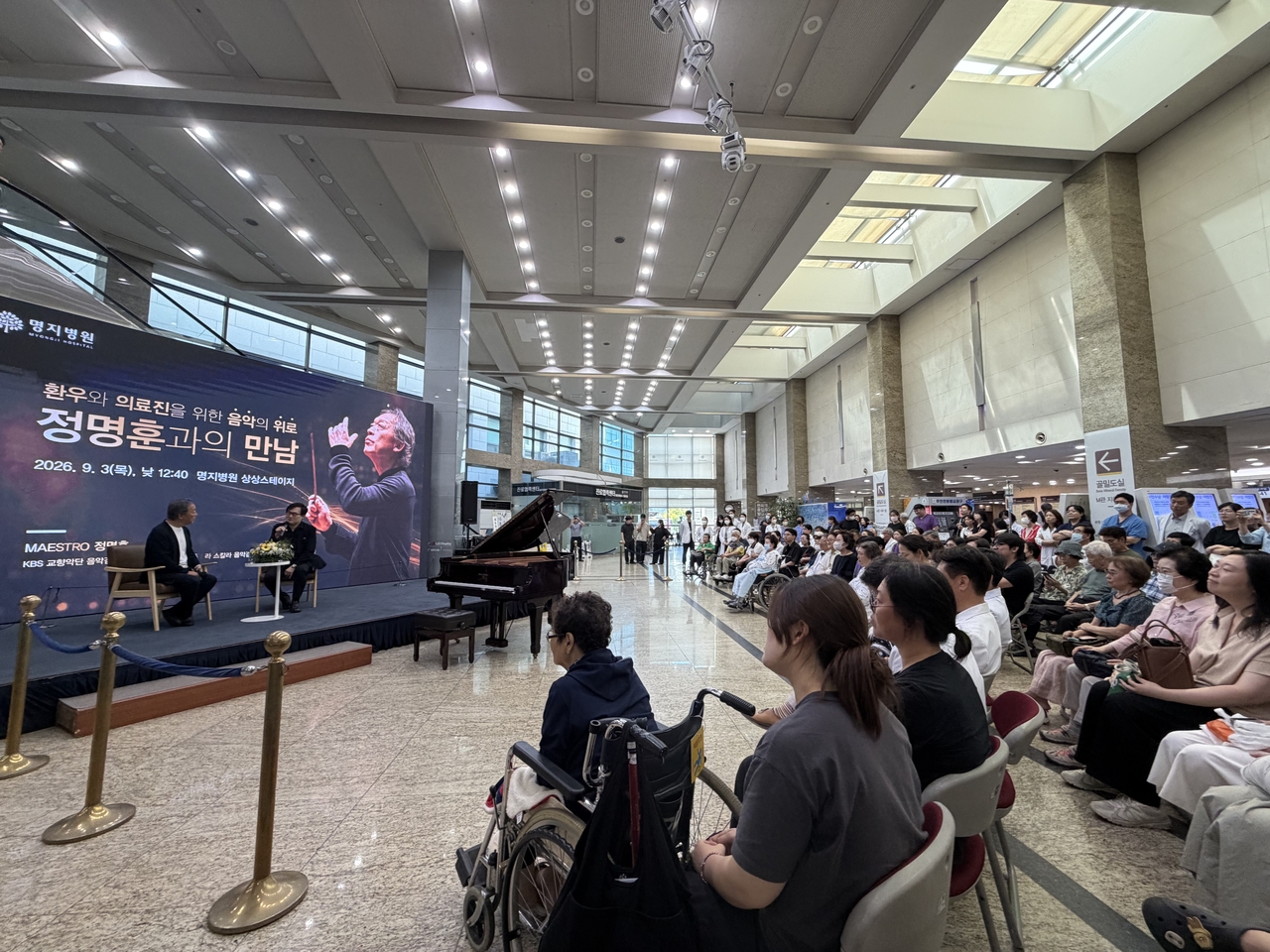
Asked how his early training as a pianist shaped his relationship with opera, a genre he embraced with growing intensity after leading the Paris Opera in his 30s and will take up again at La Scala, Chung turned to singing.
Koreans, he said, can be sharp-tongued and quick to argue, but singing offers a way to express those emotions and to listen to one another instead.
“If I had my way, I’d want Korea known as a country that especially loves to sing,” he said.
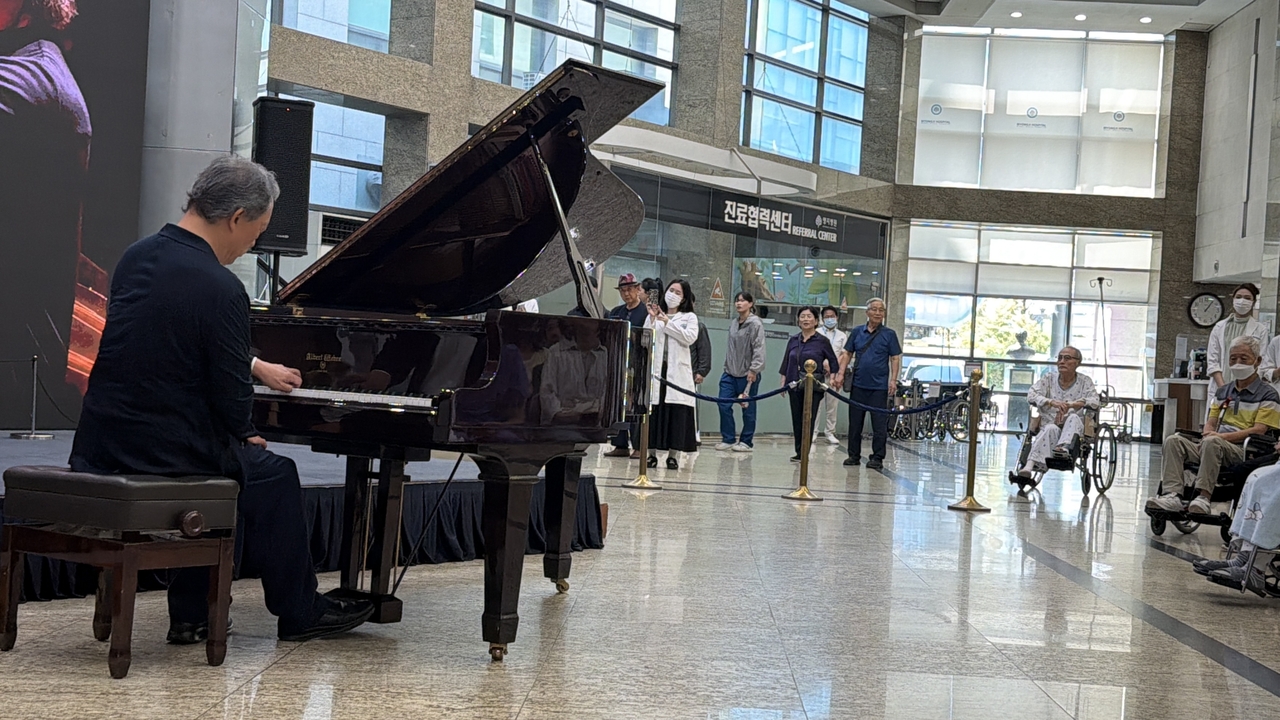
He then played Schumann's "Fantasie" — the piece he had never performed in front of an audience before, chosen because it's his wife's favorite.
Turning to the patients and caregivers in the room before leaving, Chung spoke about meeting French composer Olivier Messiaen at the Paris Opera, and about his opera "Saint Francois d'Assise," which closes with a message he said he wanted them to hear: Salvation requires only one thing — to love fully.
"It doesn't matter who or what you love," Chung said. "If that love comes from the heart, that's enough."
When a physician treating children with juvenile rheumatoid arthritis asked Chung to recommend instruments that young patients could continue playing after joint damage forced them to give up instruments such as the flute or gayageum, or activities such as ballet, Chung suggested singing.
He noted that his wife, who is not a trained musician, can remember the words to nearly every song she has heard since elementary school.
"Being able to sing," Chung told the room, "is the best thing there is."
gypark@heraldcorp.com