Cracks in a society rarely appear all at once, and leaders must learn to detect them early — whether in markets, borders or public literacy, speakers at this week’s Global Business Forum said Wednesday.
The weekly forum, organized by The Korea Herald and Herald Business, brings together figures from diplomacy, business, culture and other fields to discuss changes in the business environment and future strategies.
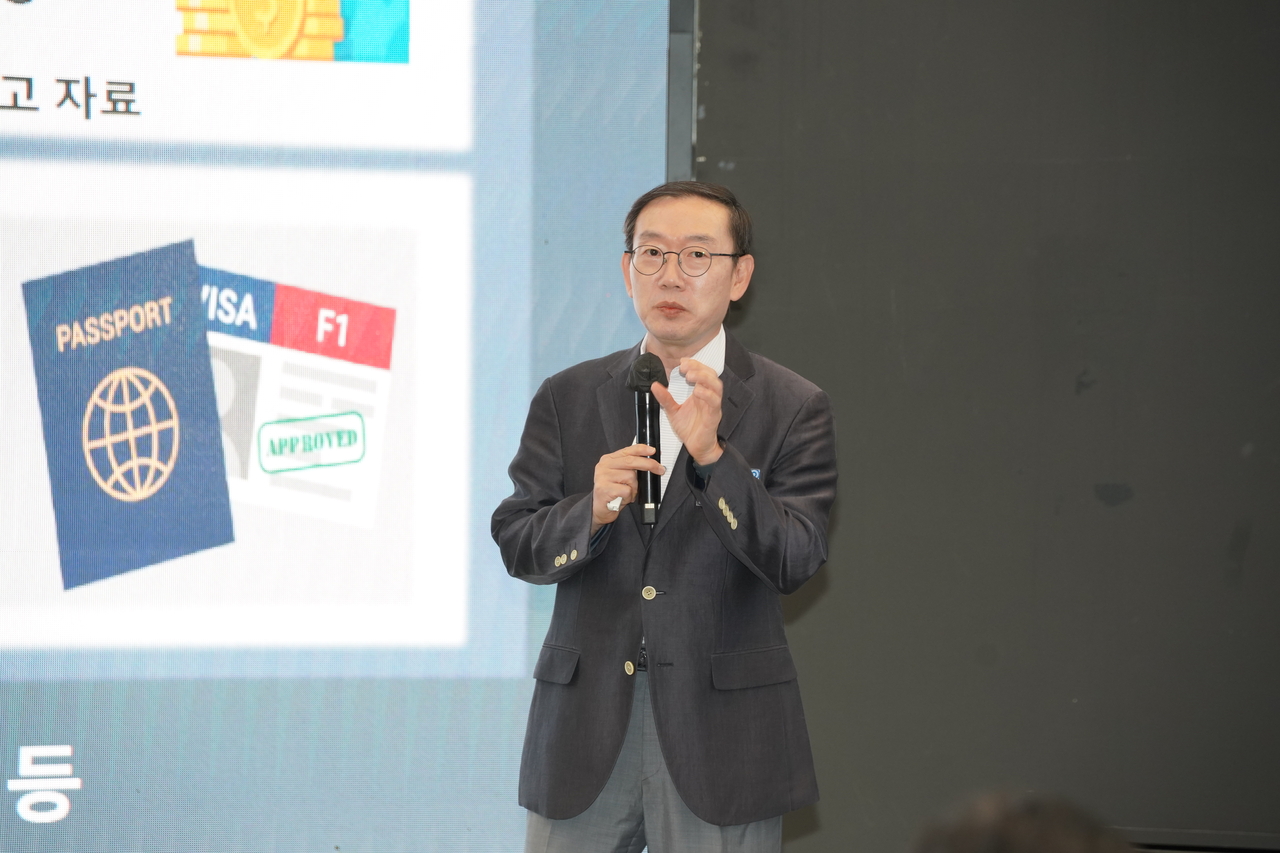
This week’s session, held in Seoul under the theme of the “grit of leadership,” opened with a keynote speech by Lee Myeong-ku, former commissioner of the Korea Customs Service.
Lee, a seasoned customs expert with a 33-year career, emphasized the importance of border control systems in maintaining a fair and secure business environment, saying that effective enforcement requires attention to even the smallest leaks or vulnerabilities.
“The Korea Customs Service provides some of the most accurate information on what enters and leaves Korea,” Lee said. “With such information, we crack down on and prevent activities that harm Korean goods, and ultimately aim to generate value for Korea.”
Referring to efforts to block counterfeit goods, drug smuggling, leakage of key strategic technologies and capital outflows, Lee said these threats are rapidly evolving alongside the growth of virtual assets. He added that such enforcement efforts help prevent market disruption and protect both consumers and businesses.
“Cracking down on activities that can create fractures in our market is like tracking water flowing beneath ice,” Lee said. “It is cold, hard to see, and demanding work, but we must not miss even the smallest crack in order to maintain stability. That is the duty of administration.”
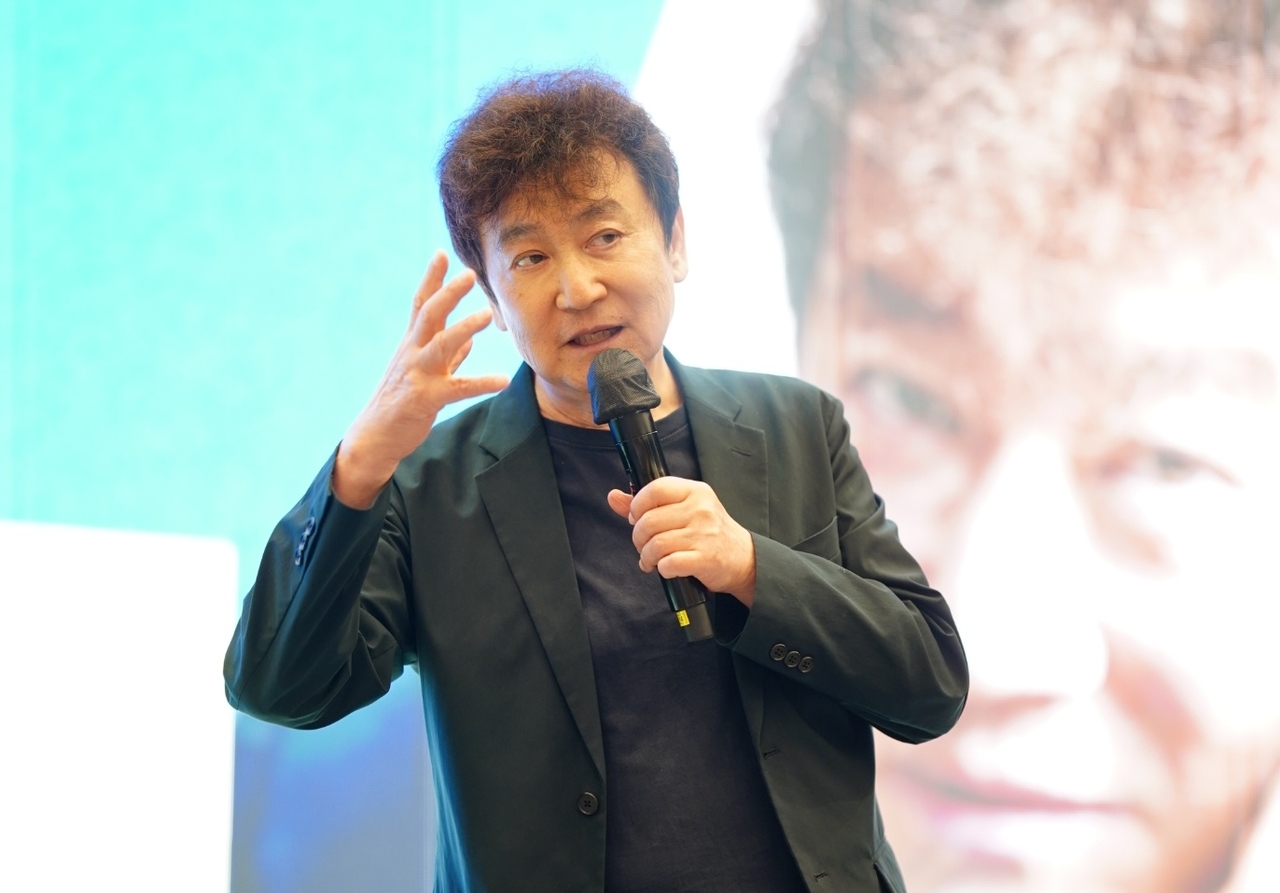
Following Lee’s address, author Kim Jin-myung spoke about declining literacy in Korea, describing it as a “spiritual crack” that threatens society. Kim is a million-selling author whose novel “The Mugunghwa Flower Has Bloomed” has sold more than 6 million copies and explores themes of inter-Korean reconciliation.
Kim pointed to King Sejong’s creation of Hangul as a foundation for expanding literacy among ordinary people and helping culture flourish during the Joseon era (1392–1910).
“Before King Sejong created Hangul, only about 4 percent of the ruling elite monopolized written language, and they relied solely on Chinese texts. Could the nation have truly had its own identity under such conditions?” Kim said.
“It is the same today. If literacy breaks down, the power of culture disappears. People become vulnerable to rumors and fake news, leading to serious social consequences.”
Kim argued that Korea’s democracy and market system are sustained by a strong literacy base enabled by Hangul.
“For democracy to function properly, it is crucial that each individual understands the social contract and has the ability to carry it out,” he said. “The widespread use of Hangul is very important in ensuring that capacity.”
He called on GBF members to support the promotion of Hangul and Korean-language literacy both at home and abroad, saying such efforts could strengthen Korean society.
“As the concept of noblesse oblige suggests, participation from those with social status and economic capacity is very important,” Kim said. “Nowadays, regardless of where people are born, if they live in Korea and use Hangul, aren’t they effectively Korean citizens? We must work to bring more people into the world of Hangul.”
forestjs@heraldcorp.com