
Victim’s representative says case should deter foreign streamers from similar antics in S. Korea
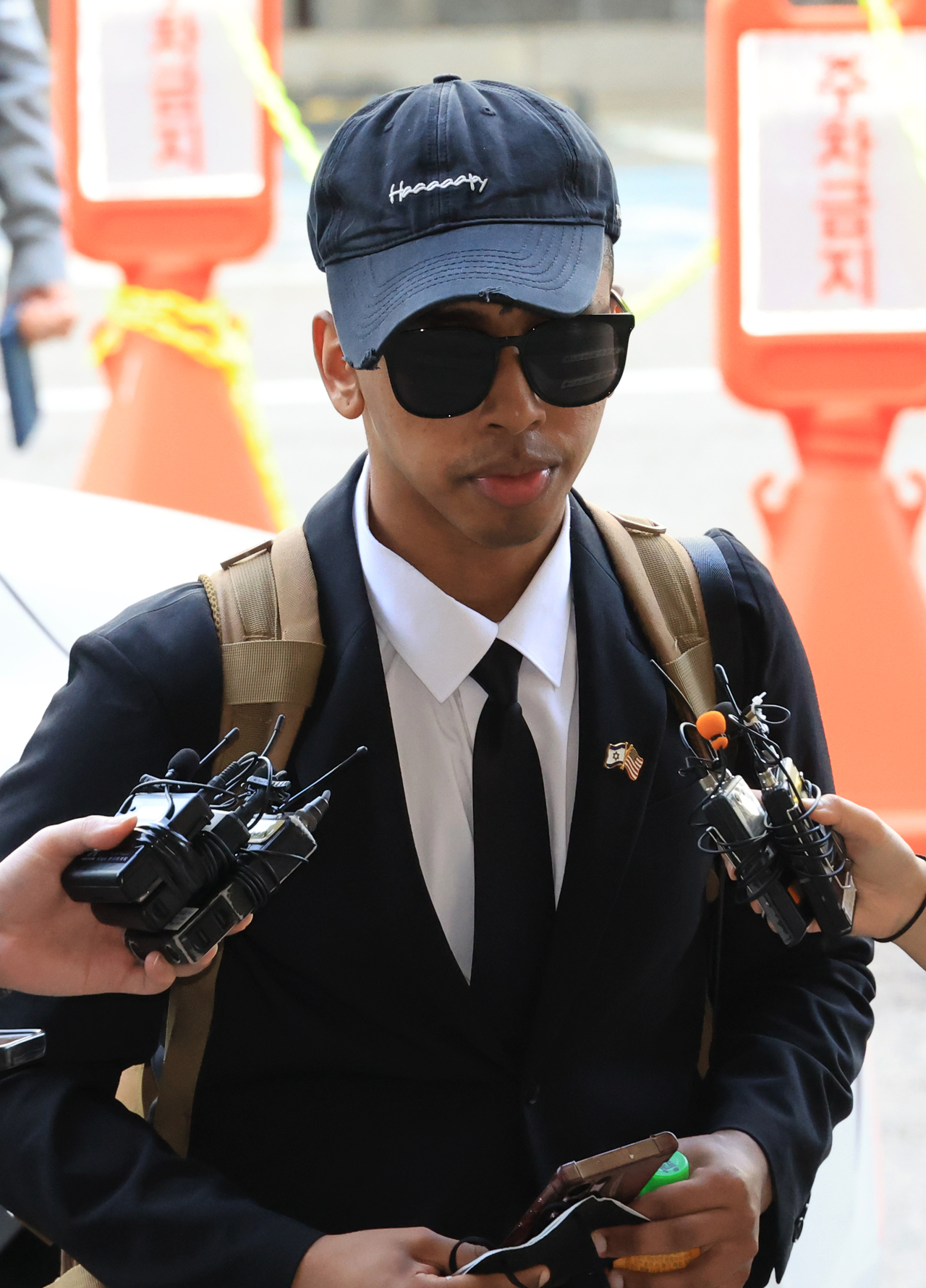
American YouTuber Johnny Somali has appealed his six-month prison sentence in a South Korean court, and prosecutors have also filed an appeal seeking a harsher penalty, setting the stage for a second trial.
Somali, whose real name is Ramsey Khalid Ismael, was taken into custody after being sentenced by the Seoul Western District Court on April 15 on charges including obstruction of business and violations of the Minor Offenses Act and the Sexual Violence Punishment Act. He filed his appeal five days after the ruling, according to reports Thursday.
Prosecutors, who had sought three years in prison and a fine of 150,000 won ($101) in the first trial, also appealed the verdict a day later, arguing the punishment was too lenient.
With both sides appealing, the case is set to be reviewed by a higher court.
Attorney Lee Don-ho, who represents one of the victims, told The Korea Herald that a tougher sentence for Somali would serve as a deterrent.
“After consulting with the victim, we requested prosecutors to file an appeal,” he said. “With both sides appealing, the legal restriction against imposing a harsher sentence no longer applies.”
Under South Korean criminal procedure law, a defendant cannot receive a heavier sentence if they are the only party to file an appeal. However, when both sides appeal, the court is no longer bound by that restriction and may impose a harsher sentence.
Lee, who heads Nova Law Office, said his client suffered emotional distress after Somali used her images without consent to create and distribute a sexually explicit deepfake video.
“The court’s decision already sent a warning that violating South Korea’s laws carries consequences regardless of nationality,” Lee said. “But a stronger punishment is needed to clearly deter foreign content creators from staging similar acts for online attention.”
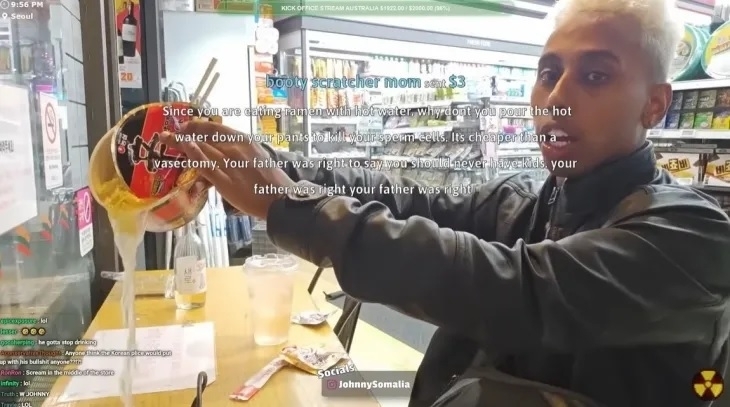
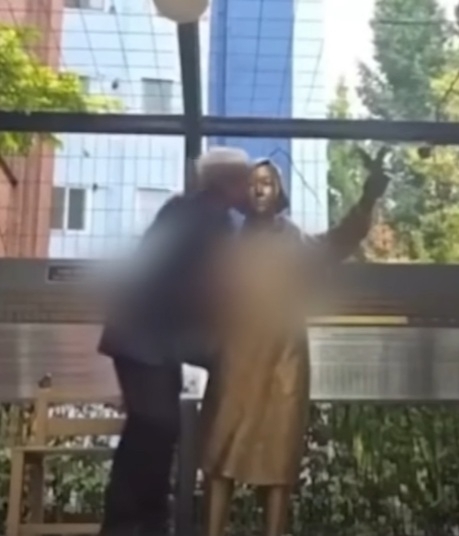
Somali, 24, gained notoriety in Korea starting in 2024 for creating repeated public disturbances and filming them to post online.
In its ruling, the lower court said he had repeatedly committed offenses against members of the public for profit, distributing the content online while disregarding Korean law. The court, however, cited the lack of severe harm to victims as a factor in issuing a lighter sentence.
cjh@heraldcorp.com