City plans year-round concerts, retail, tourism in Chang-dong
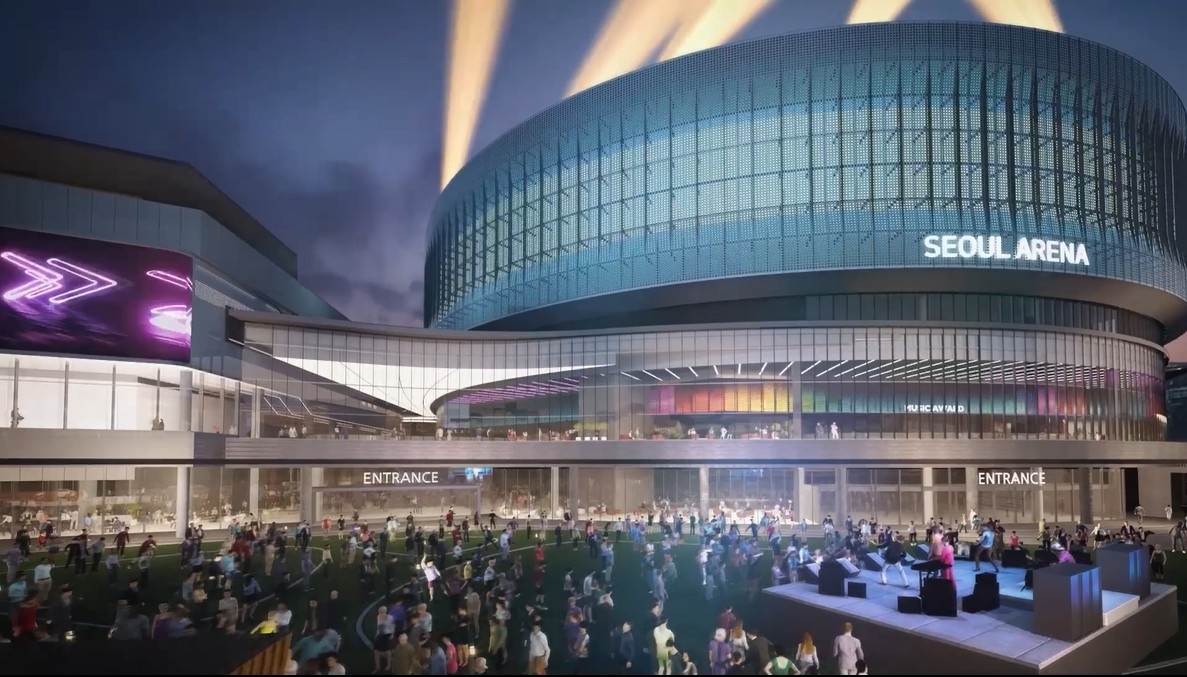
Seoul plans to invest 2.7 trillion won ($1.83 billion) to transform Chang-dong in northern Seoul into a K-pop-centered entertainment district, anchored by a 28,000-seat arena set to open in 2027, as the city seeks to boost tourism and revive its underdeveloped northeastern region.
The Seoul Metropolitan Government on Tuesday unveiled a blueprint for the “K-Entertainment Town,” positioning the area as a cluster for culture and entertainment industries built around South Korea’s global pop culture appeal.
At the core of the project is Seoul Arena, one of the country’s largest K-pop performance venues, which will host more than 100 concerts a year, each drawing tens of thousands of visitors. The city aims to extend spending beyond ticket sales by encouraging visitors to spend on lodging, transportation, dining and shopping in the surrounding area.
Officials plan to turn Chang-dong into what they describe as a “live stage” city, where concerts and exhibitions take place year-round. Performances at the arena will be broadcast in real time across public spaces through a “connective live” system, allowing audiences to watch from plazas, underpasses and nearby streets, effectively turning the district into a large-scale performance venue.
Street performances and busking events are also expected to spread throughout the area, while programs will be linked to cultural landmarks in northeastern Seoul, including the Dongdaemun Design Plaza and K-pop-related attractions in Dongdaemun-gu.
A convention center within the arena complex will host music-related events such as award shows, album releases and fan meetings, further concentrating industry activity in the district.
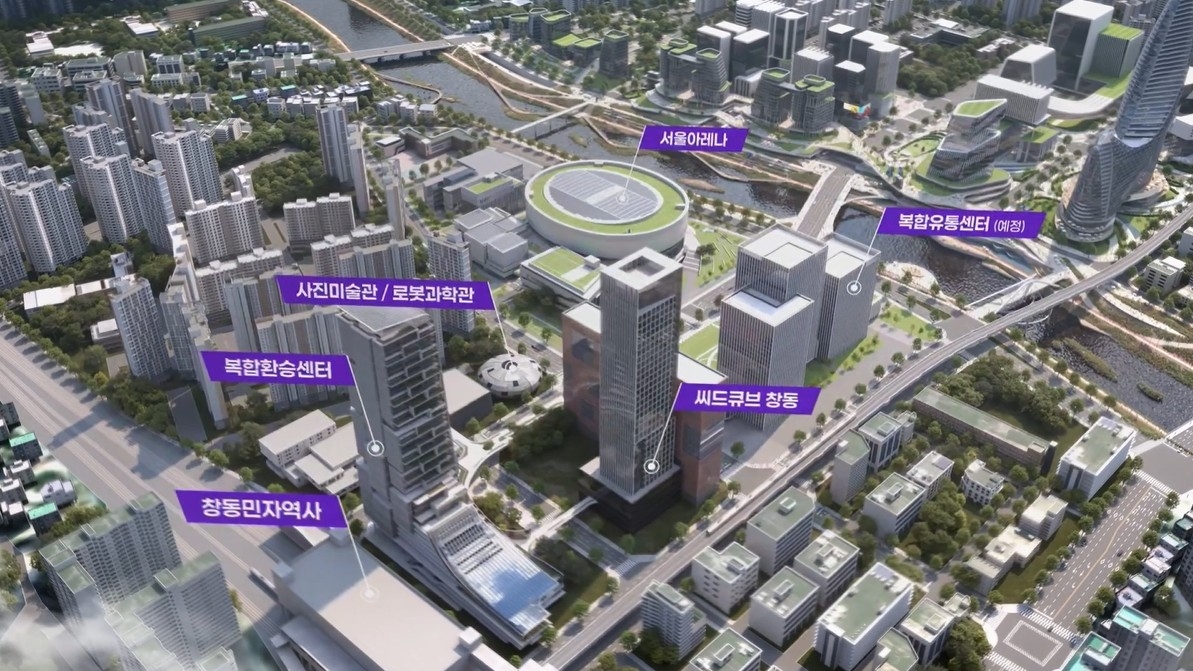
The city is also pushing to build what it calls a “live industry” ecosystem, aimed at converting cultural events into broader consumption and job creation. Retail zones connected to Arena X Square, near Chang-dong Station, will feature K-fashion, K-beauty and K-food offerings, with a dedicated food market planned for a nearby commercial site.
To support tourism, Seoul will expand accommodation capacity by adding about 700 hotel rooms and promoting urban homestay programs using nearby residential areas.
Authorities also plan to designate Chang-dong as a special development zone for culture and tourism, offering incentives such as tax benefits, financing support and relaxed floor area ratio regulations of up to 1,300 percent to attract private investment.
Additional infrastructure projects include a cultural arts corridor linking Chang-dong Station, Seoul Arena and the Jungnang Stream, as well as a K-pop plaza in front of the station.
Outdoor leisure and tourism facilities, including camping grounds and observation areas near Dobongsan, will also be developed to encourage longer stays by visitors.
The project will also support smaller entertainment firms by providing facilities for music production and distribution, while startup spaces will be created at existing complexes such as Chang-dong Aurene and the Seed Cube cultural industry cluster.
City officials said the broader plan is aimed at repositioning Chang-dong and nearby Sanggye-dong as a new cultural and economic hub, in contrast to the long-standing concentration of development in southern Seoul.
A separate project, Seoul Digital Bio City, is scheduled for completion in 2032 in Sanggye-dong and will host companies in culture-related and emerging industries.
“Chang-dong and Sanggye will no longer be seen as the outskirts, but as a cultural and artistic hub for northeastern Seoul,” Seoul Mayor Oh Se-hoon said. “They will become a strong economic core leading the city’s future as Seoul moves toward an era of 30 million foreign visitors.”
Oh added that the initiative is part of a broader push to revive northern Seoul, saying the city will continue to provide strong policy support until the region’s growth potential translates into tangible improvements in economic activity and quality of life.
minsikyoon@heraldcorp.com