Incheon unveils circuit design in bid to host Formula One Grand Prix, meets feasibility test
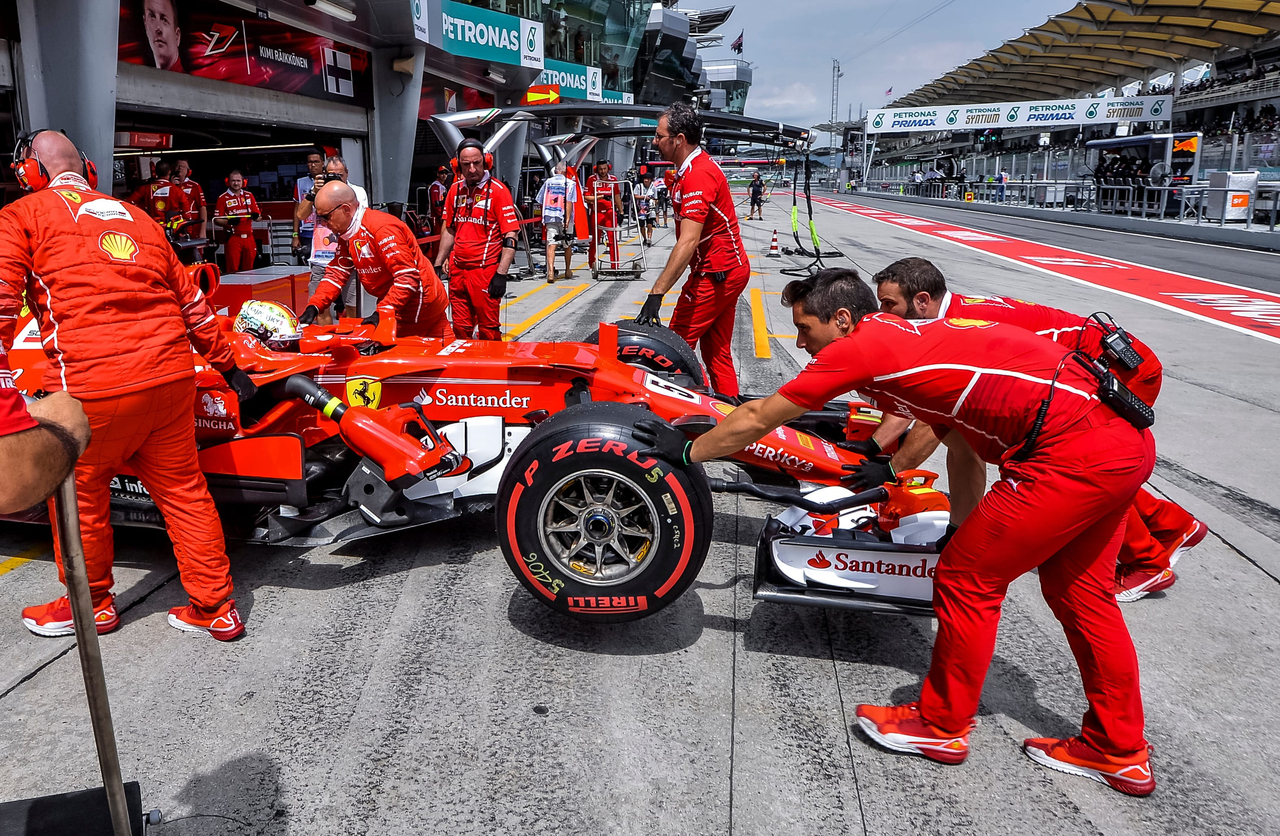
Incheon’s plan to host a Formula One (F1) Grand Prix hinges on securing more than 800 billion won ($540 million) in private investment, as officials tout a feasibility study showing the project could generate returns.
The Incheon Metropolitan Government has unveiled a proposed circuit design as part of its bid, with a preliminary feasibility study indicating the project could be economically viable.
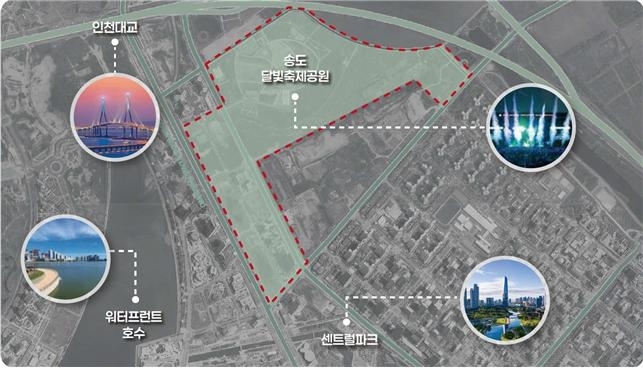
Mayor Yoo Jeong-bok announced the results at a press briefing at City Hall on Thursday. The proposed street circuit would be built around Dalbit Festival Park in Songdo International City, an area the city says offers excellent accessibility and scenic appeal.
According to the plan, the circuit would stretch 4.96 kilometers, feature 15 corners, and allow a top speed of 337 kilometers per hour, with an average speed of around 230 kilometers per hour.
The site is located near the Incheon Bridge, the Songdo waterfront and Central Park, and is easily accessible from Incheon International Airport and Incheon Subway Line 1, making it well-suited to host a global event.
City officials estimate that the event could draw up to 120,000 spectators per day, attracting 300,000 to 400,000 domestic and international visitors over a three-day race weekend. The design concept was developed after analyzing successful urban street circuits in cities such as Singapore and Las Vegas.
Formula One is a global motorsport championship owned by the F1 Group and is held in about 24 cities worldwide each year. It is widely regarded as one of the world’s leading sporting events.
The feasibility study found the project to be economically viable. Assuming the race is held for five consecutive years, the benefit-cost ratio was estimated at 1.45, while the profitability index stood at 1.07, both above the benchmark value of 1 required to demonstrate feasibility.
The total project cost is estimated at 1.04 trillion won ($705 million), with the government and the city expected to contribute 237.1 billion won, while the remaining 802.5 billion won would be financed by private investors. The city plans to adopt a private investment model to minimize the fiscal burden.
Based on the study results, the city plans to engage with potential private promoters and the F1 Group to finalize the revenue and cost structure. It will also consult with the central government regarding necessary procedures, including amendments to the enforcement decree of the International Sporting Events Support Act and approval for hosting the race.
Incheon aims to complete a review of the feasibility study and obtain approval from the Ministry of Economy and Finance within the year.
However, the project has also faced skepticism. Civic groups have called for an independent verification of the feasibility study, noting that the circuit design firm participated in the research.
“Since the company that would build the circuit was involved in the feasibility study, it is natural that the results would be favorable,” said Lee Kwang-ho, secretary-general of the Incheon Peace and Welfare Solidarity. He added that the findings should be transparently reviewed by citizens and independent experts.
Concerns have also been raised about whether private investors would be willing to shoulder the majority of the project’s cost. Critics warn that investors may demand increased public subsidies or financial guarantees to offset potential losses.
Political uncertainty surrounding the upcoming June 3 local elections could also affect the project’s future. Rep. Park Chan-dae, the Democratic Party’s candidate for Incheon mayor, has expressed skepticism about the expected benefits of hosting an F1 race.
jychoi@heraldcorp.com