
Galaxy or iPhone: Subtle cue to size up a match
Song Ji-ah, a popular YouTuber also known as FreeZia, recently sparked backlash from owners of Samsung phones after saying in a vlog that she would not like her boyfriend using a Galaxy smartphone.
“My mom and dad use Galaxy phones too. But parents and a boyfriend are different, aren’t they?” Song said, hinting at her view.
What may look like a debate over personal smartphone preferences builds on years of online narratives in Korea that have shaped gender expectations based on smartphone choices.

Posts and images circulating online have long portrayed male Galaxy users as older and less stylish, but also as practical and careful with money.
Such perceptions also underpin the label “young 40s,” used to mock middle-aged men who use iPhones and other items typically associated with younger generations, implying they are trying too hard to appear youthful.
Female Galaxy users could also be seen as old-fashioned and as less materialistic — or at least less likely to flaunt luxury goods on social media.
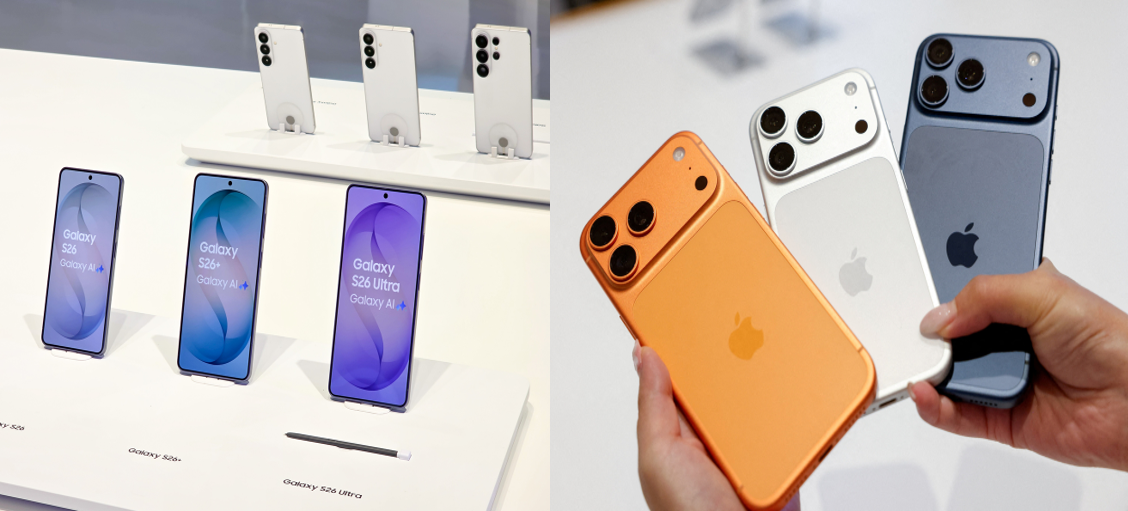
By contrast, online discourse often depicts iPhone users as young and trendy, regardless of gender.
This perception is grounded in reality to a degree, as Apple devices are significantly more popular with younger people. In a 2025 Gallup Korea survey of 1,001 adults nationwide, 60 percent of smartphone users aged 18 to 29 used iPhones, compared with about 40 percent who used Galaxy devices.
Women also used iPhones at significantly higher rates than men, at 78 percent versus 44 percent, the survey found.
Marker of attraction
Does one’s choice of smartphone really matter in the dating scene?
Im Jang-ho, CEO of matchmaking service Gentlys, said that smartphone choice here has come to play a role similar to personality tests, offering cues about whether someone might be a good match or serving as an early signal of the traits people believe they prefer or dislike in a partner. However, he noted that such perceptions are not straightforward — it is not simply that Galaxy users are seen as less attractive because they are considered outdated.
"What matters is not the device itself, but the reasons behind the choice," Im said in an interview with The Korea Herald.
At Gentlys, which has a strong base of members in their 20s and 30s and hosts weekly gatherings with a variety of themes to help them connect, he has seen how phone preference — while far from a decisive factor — can shape attraction, either directly or indirectly.
Im pointed to a recent event as an example where a female lawyer said she preferred a Galaxy phone over an iPhone, saying its call recording function — unavailable on iPhones due to privacy rules — was crucial for her work.
Several male participants, he said, found this appealing, viewing her as someone who knows what she wants and makes decisions with confidence.
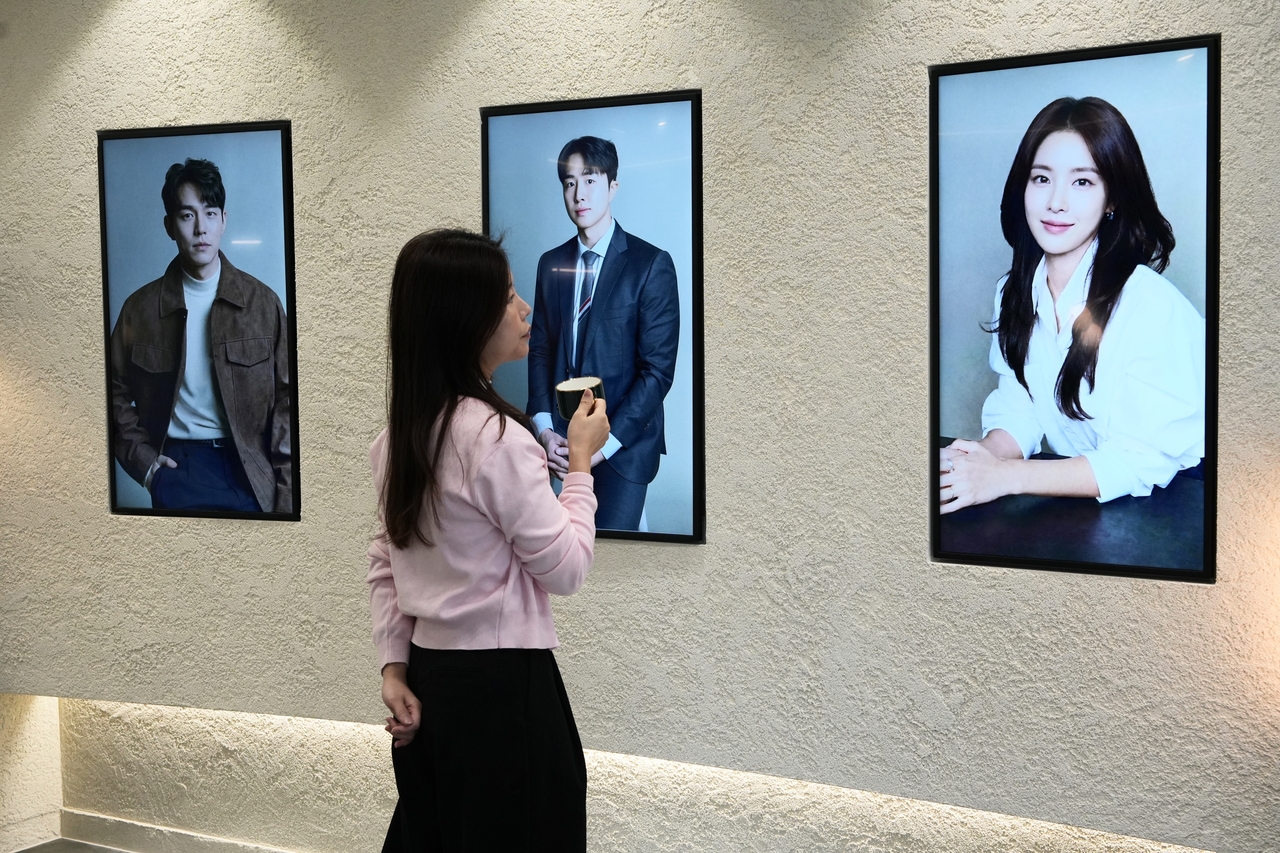
In another example, Im introduced the case of a man in his 20s who works at a major company and is also an Instagram influencer with more than 30,000 followers.
“He has such a trendy image that people would assume he uses an iPhone,” he said. "But at a group gathering, he unexpectedly pulled out a Galaxy Fold."
The influencer later explained that the Samsung phone suited him better, as he often films himself. Lim recalled that women at the event turned to him with intrigued looks, adding that the contrast must have made him even more appealing.
The CEO said the phone factor mainly comes into play at the very early stages, when people try to read a potential partner’s traits through subtle cues. Once feelings begin to develop, however, what matters most is a person’s character and how well conversation flows.
cjh@heraldcorp.com