
Cheong Wa Dae estimates Middle East repercussions to persist for up to 6 months
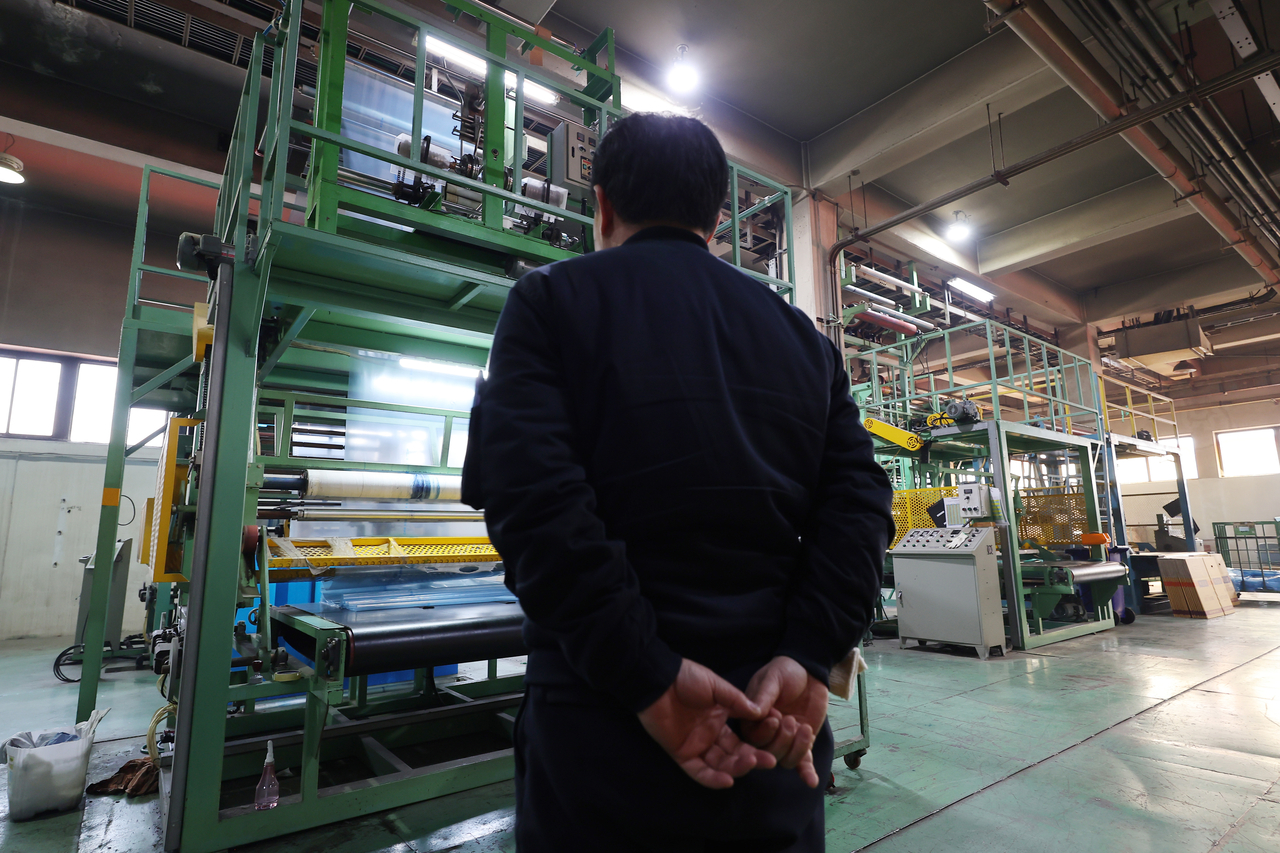
South Korea's liberal administration shifted to emergency mode on Wednesday, undertaking preemptive measures, as external uncertainties due to conflict in the Middle East have persisted for weeks.
According to Cheong Wa Dae, President Lee Jae Myung is set to preside over an emergency meeting on economic monitoring on Thursday. Chief of staff Kang Hoon-sik will lead the situation room at the apex of South Korea's transitory emergency economic response system.
Cheong Wa Dae will also convene daily meetings for economic monitoring, and the presidential office plans to give briefings on meeting outcomes at least once a week, tentatively on Wednesdays.
The move stems from Seoul's view that Middle East uncertainties could last for months, and the supply disruption of oil and gas is stoking public concern in a country heavily dependent on energy imports for industry.
"The government is taking into consideration that (the Middle East crisis could persist) for at least three months, and for up to six months, as we are preparing for countermeasures based on various scenarios," Hong Ihk-pyo, senior presidential secretary for political affairs, told reporters.
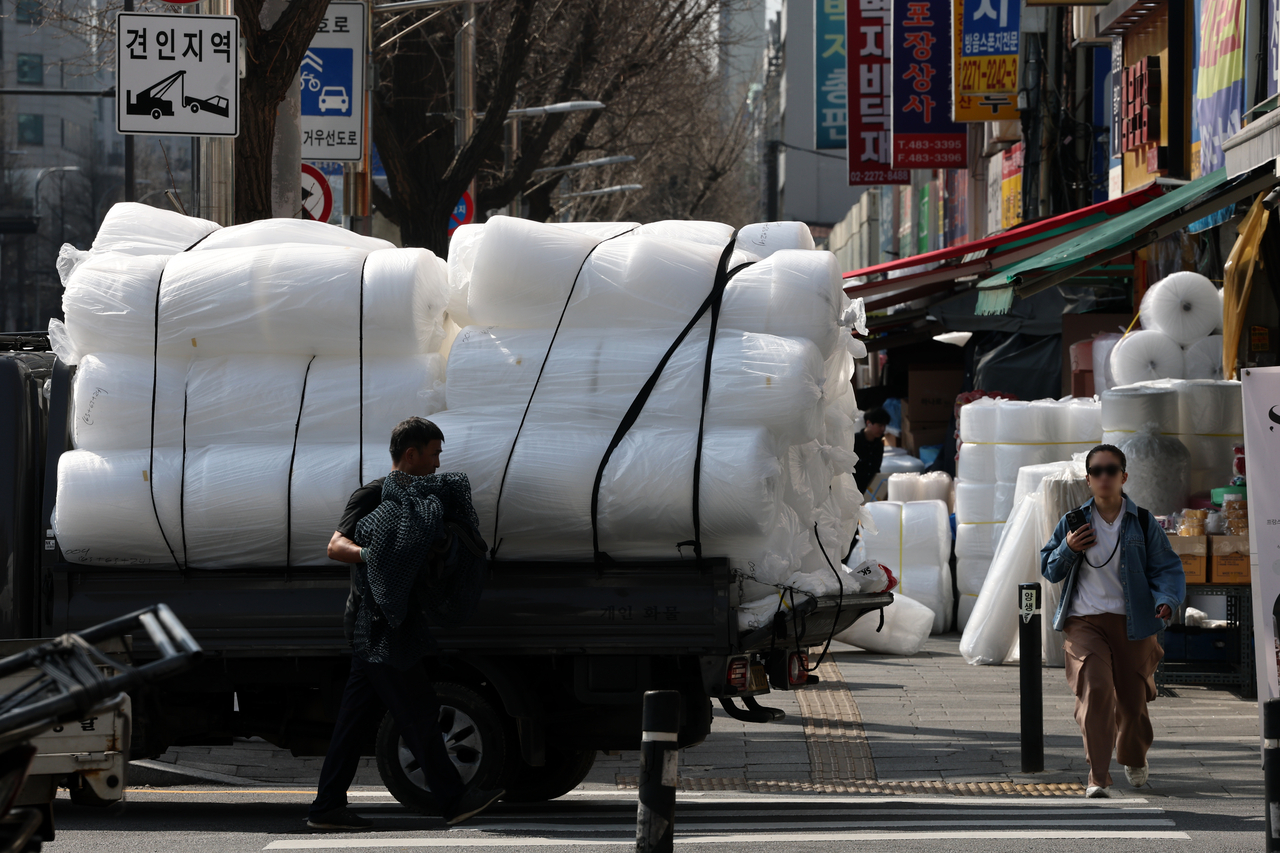
Given complexities in the normalization of the energy supply chain even after the conflict ends, Hong said, "The impact on South Korea could linger on, and the damage from it will gradually swell."
Under the body helmed by Lee, the emergency economy headquarters will be chaired by Prime Minister Kim Min-seok, tasked with supporting the national control tower in Cheong Wa Dae.
"South Korea has a history of overcoming economic crises through the unified strength of its people," Kim said in a briefing at the Government Complex Seoul, invoking the country's past instances of weathering the 1997 Asian financial crisis and 2008 global financial crisis.
The headquarters will oversee five emergency entities within the government, all led by government ministers. They will be dedicated to stabilizing consumer prices, addressing the potential crude supply crunch, curbing financial market volatility, supporting marginalized groups and navigating external uncertainties through diplomatic coordination. Cheong Wa Dae's senior presidential secretaries will supervise their operations.
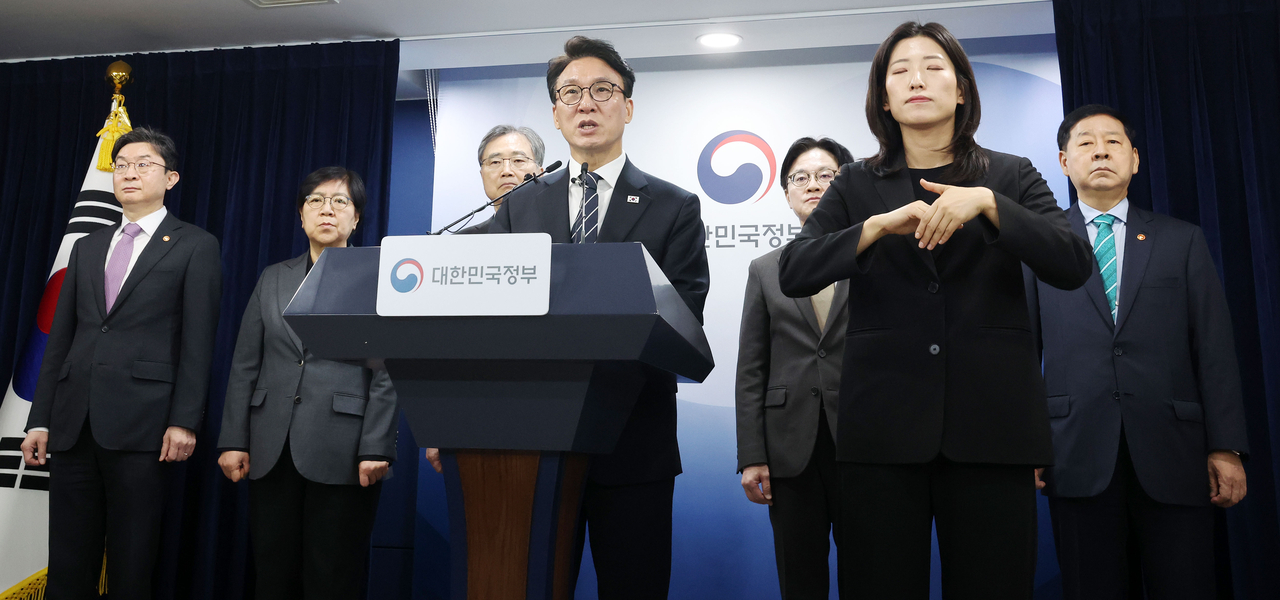
The government's emergency economy headquarters will convene meetings twice a week for the time being. Kim and Finance Minister Koo Yun-cheol will take turns holding the meeting.
Now is the time for South Korea to turn the crisis into an opportunity, Kim said in the briefing.
"Using the response to the Middle East war as an opportunity, we will accelerate the implementation of mid-to-long-term tasks aimed at turning crises into opportunities, such as strengthening the supply chain, improving the capital market fundamentals and transitioning the energy sector," Kim said.
Providing the public with accurate information in a timely manner will be key to operating the emergency response system, Kim added.
Rep. Moon Geum-ju of the Democratic Party said later on Wednesday that the ruling party will also set up an emergency response team at the National Assembly in line with the administration's move.
Wednesday's announcement is the latest after Lee on Tuesday instructed the government to come up with contingency measures for worst-case scenarios.
Before the announcement, South Korea adopted a fuel price cap in March for the first time in about three decades. It also implemented a 100 trillion won ($67 billion) market stabilization program to cushion the crisis' impact on South Korea's economy.
The country has also unveiled plans to pass a 25 trillion won extra budget bill in the near future. Chief of staff Hong said the budget bill is set to be tabled at the Cabinet meeting Tuesday.
consnow@heraldcorp.com


